

Herping in Vietnam can be a rewarding experience for travelers interested in reptiles, amphibians, frogs, geckos, lizards, snakes, turtles, night walks and tropical forest ecology. The most meaningful experiences are usually guided, safety-first and conservation-minded, with a focus on observing wildlife without handling, collecting, disturbing habitat or revealing sensitive locations.
Herping in Vietnam is not a casual activity centered on finding snakes or rare species. Many reptiles and amphibians depend on fragile habitats, some species can be dangerous, and wildlife activity is strongly influenced by weather, humidity, season and habitat conditions. Responsible herping requires trained guides, clear safety standards and respect for both wildlife and protected areas.
For WANEE, herping is best positioned as a specialist Go-WILD experience: field-led, ethical, small-group and closely connected to forest interpretation, night ecology and conservation awareness.
What Is Herping?
Herping is the observation of reptiles and amphibians in their natural habitats. This may include frogs, toads, snakes, lizards, geckos, skinks, turtles and broader reptile or amphibian ecology.
In tropical environments such as Vietnam, many reptiles and amphibians are most active during the evening or at night. As a result, guided night walks often form the core of a herping experience.
A good herping journey is not about catching animals. It is about understanding how moisture, temperature, forest structure, streams, leaf litter and seasonal conditions influence wildlife activity. The experience focuses on observation, learning and appreciation rather than collection or close interaction.
Why Vietnam Is Interesting for Herping
Vietnam offers exceptional habitat diversity, making it one of Southeast Asia’s most interesting destinations for reptiles and amphibians.
Across the country, travelers can encounter lowland tropical forests, montane forests, wetlands, mangroves, karst landscapes, streams, islands and agricultural edge habitats. Each ecosystem creates different opportunities for wildlife observation and supports different reptile and amphibian communities.
Different regions offer different herping contexts:
- Lowland forest herping in Cat Tien and Dong Nai.
- Highland and montane herping in Lam Dong, Bidoup and Da Lat.
- Northern mountain herping in Sapa and Hoang Lien landscapes.
- Amphibian-focused forest habitats in Tam Dao.
- Wetland and mangrove ecosystems in southern Vietnam.
- Island ecosystems with unique conservation value.
- Karst and cave-associated biodiversity in parts of central and northern Vietnam.


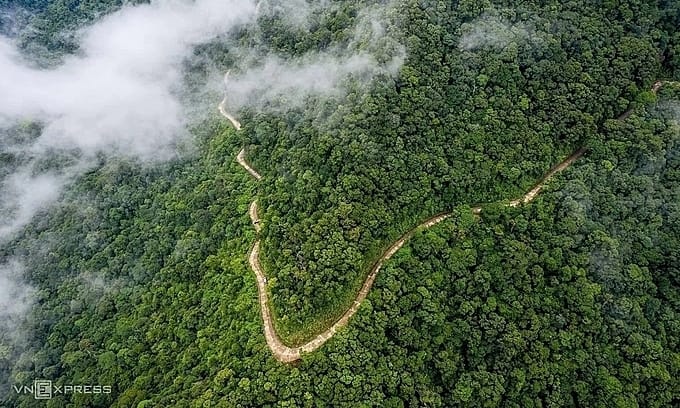
This habitat diversity is one of the reasons why herping in Vietnam appeals to both beginner wildlife travelers and experienced naturalists.
What Can You Expect on a Herping Trip in Vietnam?
A herping trip is usually slower, quieter and more dependent on environmental conditions than a daytime wildlife walk.
The goal is not to force encounters but to observe reptiles and amphibians when conditions are favorable.
A typical experience may include guided night walks, listening to frog calls, observing habitat conditions, photographing wildlife from a respectful distance and learning how local ecosystems function.
Some nights may be highly active, while others may feel relatively quiet. Rainfall, humidity, temperature and recent weather conditions often influence wildlife activity more than any itinerary.
Because of this variability, responsible herping in Vietnam should never be promoted with guaranteed species language.
Herping may involve wildlife that can be dangerous, including venomous snakes. Travelers should never attempt to search for, approach or handle reptiles and amphibians independently.
Guided experiences provide route control, safety management and wildlife interpretation while reducing risks to both visitors and animals.
Main Herping Regions in Vietnam
Vietnam offers several broad regions that are particularly relevant for responsible herping experiences.
| 📍Region | 🌳Main Context |
|---|---|
| Cat Tien / Dong Nai | Lowland tropical forest reptiles, amphibians and night wildlife |
| Lam Dong / Bidoup / Da Lat | Highland reptiles, amphibians and montane forest ecology |
| Tam Dao | Amphibian-rich mountain forest habitats |
| Sapa / Hoang Lien | Northern montane herping environments |
| Wetlands and Mangroves | Aquatic reptiles, frogs and wetland ecology |
| Southern Islands | Island biodiversity and conservation-sensitive species |
| Karst Regions | Cave and limestone-associated ecosystems |
Public wildlife content should focus on habitat interpretation rather than specific micro-locations or sensitive wildlife sites.
Cat Tien and Dong Nai: Lowland Forest Herping
Cat Tien and the broader Dong Nai forest landscape represent one of the most important regions for lowland forest herping in southern Vietnam.
The area supports reptiles, amphibians, frogs, geckos, snakes and a wide range of nocturnal wildlife. More importantly, it provides an excellent setting for understanding how tropical forest ecosystems function after dark.
Cat Tien herping is best viewed as a guided forest experience rather than a thrill-seeking activity. Visitors learn how rainfall, humidity, forest structure and seasonal changes influence wildlife activity while exploring the forest responsibly.

Field conditions can vary significantly from night to night. Humid evenings may produce active frogs and geckos, while other nights can be surprisingly quiet. Experienced guides often explain that successful herping is not measured by the number of species observed, but by understanding the ecological relationships that shape wildlife behavior.
Safety standards always take priority over photography or species targets.
What to Expect on a Night Walk
For most travelers, a night walk is the heart of a herping experience in Vietnam.
The atmosphere is very different from daytime wildlife watching. As temperatures cool and humidity rises, the forest changes character. Bird calls fade, nocturnal insects become active and amphibians often begin calling from hidden locations. Even familiar trails can feel completely different after dark.
A guided night walk is typically slow-paced and observational. Rather than covering large distances, guides focus on reading conditions, scanning vegetation, listening for wildlife activity and interpreting the ecosystem.
Depending on habitat, weather and season, travelers may encounter frogs, geckos, lizards, insects, spiders and other nocturnal wildlife. On some nights, wildlife activity can be surprisingly high. On others, the forest may appear quiet despite suitable conditions.

(Physignathus cocincinus)

(Ahaetulla prasina)

(Polypedates leucomystax)
This unpredictability is part of the experience.
The most rewarding night walks are often those where guests learn how weather, habitat and animal behavior interact, rather than focusing solely on species lists.
One of the most common misconceptions among first-time guests is that a night walk guarantees frequent wildlife encounters. During a recent guided walk, activity was lower than expected because conditions remained unusually dry after several days without rain.
Although sightings were limited, the guide used the opportunity to explain how moisture influences amphibian behavior and why many species become more active only after suitable rainfall. By the end of the walk, guests understood that the absence of wildlife can be just as informative as a productive night.
Responsible wildlife travel means accepting that nature operates on its own schedule.
Responsible Herping Rules
Responsible herping should be the foundation of every wildlife experience.
Reptiles and amphibians are often vulnerable to habitat disturbance, stress, collection pressure and inappropriate tourism practices. Even well-intentioned visitors can unintentionally harm wildlife if they prioritize photographs or close encounters over animal welfare.

For this reason, WANEE follows a simple principle: the welfare of the animal always comes before observation, photography or guest expectations.
Responsible herping in Vietnam means:
- Observing wildlife without handling or capturing animals.
- Staying on established trails and minimizing habitat disturbance.
- Avoiding sensitive breeding sites and microhabitats.
- Photographing animals from a respectful distance.
- Following guide instructions at all times.
- Respecting local regulations and protected-area rules.
- Avoiding public sharing of sensitive wildlife locations.
- Accepting missed sightings as part of ethical wildlife watching.
It also means understanding what responsible herping is not.
Responsible herping is not snake hunting. It is not collecting animals, moving wildlife for photographs or searching for rare species at any cost. It is a wildlife observation activity rooted in conservation, education and respect for natural behavior.
Safety and Comfort for Herping Guests
A successful herping trip depends as much on preparation as it does on wildlife activity.
Most herping takes place in low-light conditions, often on uneven trails and in humid environments. Forests can be muddy, slippery and physically demanding, especially after rain.
Guests should be prepared for conditions that may include:
- Wet trails and muddy ground.
- Humidity and warm nighttime temperatures.
- Mosquitoes and other insects.
- Leeches in some seasons and habitats.
- Limited visibility away from designated trails.
- Sudden weather changes.
- Slow walking and frequent stops.
Appropriate preparation helps improve both safety and enjoyment.
Recommended Equipment
| ⚙️Item | ⁉️Why It Matters |
|---|---|
| Closed walking shoes | Better grip and protection on forest trails |
| Lightweight long pants | Protection from vegetation and insects |
| Rain jacket or poncho | Useful during humid or rainy periods |
| Headlamp or flashlight | Essential for guided night walks |
| Spare batteries | Night activities depend on reliable lighting |
| Insect repellent | Improves comfort during long sessions |
| Water bottle | Hydration remains important after dark |
| Small dry bag | Protects electronics and personal items |
More important than equipment, however, is attitude.
Guests should arrive expecting a guided wildlife experience rather than an adventure activity. Following guide instructions, staying with the group and respecting safety protocols significantly improve both safety and wildlife outcomes.
During one rainy-season night walk, several guests were concerned about reduced visibility and muddy conditions before entering the forest. After a short safety briefing covering footwear, group spacing and trail discipline, the pace remained comfortable and safe throughout the evening.
Although conditions were challenging, guest feedback later highlighted that proper preparation and clear expectations helped turn what initially seemed uncomfortable into one of the most memorable parts of the trip.
Good wildlife experiences often begin with realistic expectations.
Herping Photography in Vietnam
Photography is one of the main reasons travelers become interested in herping. Frogs, geckos, lizards and other small wildlife can provide fascinating photographic subjects, especially in tropical environments.
However, herping photography also creates some of the greatest ethical challenges.
Many reptiles and amphibians are small, sensitive and easily stressed. Excessive handling, repeated flash use or attempts to reposition animals can negatively affect their behavior and welfare.


For WANEE, photography should always follow the same principle that guides wildlife observation: the animal comes first.
Responsible herping photography includes:
- Photographing animals where they are found.
- Avoiding handling or repositioning wildlife.
- Limiting repeated flash exposure when possible.
- Avoiding obstruction of natural movement or escape routes.
- Respecting guide instructions and safety boundaries.
- Protecting sensitive locations from public disclosure.
Photographers should also recognize that some images are not worth pursuing. If obtaining a photograph requires disturbing habitat, stressing wildlife or creating safety risks, the photograph should be abandoned.
The best wildlife photographs are often those that document authentic behavior rather than artificially created situations.
During a guided night walk, a guest requested that a frog be moved onto a cleaner background for photography. The guide declined and instead explained why photographing animals in their natural position is both more ethical and more valuable from a natural history perspective.
The resulting image showed the frog exactly where it was found, surrounded by natural habitat. Interestingly, it later became one of the guest’s favorite photographs from the trip because it reflected a genuine wildlife encounter rather than a staged scene.
Ethical wildlife photography often produces stronger stories than perfect images.
Common Mistakes When Planning a Herping Trip in Vietnam
Many first-time travelers approach herping with expectations shaped by television, social media or wildlife photography accounts. In reality, responsible field experiences are usually slower, less predictable and far more rewarding than these portrayals suggest.
The most common mistake is treating herping as a search for specific animals rather than as an opportunity to understand ecosystems and wildlife behavior.
| ❌Mistake | 👍Why It Creates Problems | ✅Better Approach |
|---|---|---|
| Treating herping as snake hunting | Creates unsafe and unrealistic expectations | Focus on broader wildlife observation |
| Expecting guaranteed species | Wildlife activity depends on conditions | Accept uncertainty and variability |
| Ignoring safety instructions | Increases risk to guests and wildlife | Follow guide protocols |
| Sharing sensitive locations online | Can contribute to disturbance and collection pressure | Use broad habitat descriptions only |
| Prioritizing photos over welfare | Can stress wildlife and damage habitats | Put animal welfare first |
| Underestimating weather and comfort challenges | Reduces enjoyment and preparedness | Plan realistically and prepare properly |
The most successful herping trips are usually those where travelers remain curious, patient and adaptable.
Suggested Go-WILD Herping Journey Types
Herping in Vietnam can be designed at different levels depending on a traveler’s interests, experience and broader wildlife goals. For many guests, herping works best as one component of a larger wildlife journey rather than a standalone specialist expedition.
🐸Cat Tien Herping Introduction
This journey is designed for travelers who are curious about reptiles, amphibians and night wildlife but have little or no previous herping experience.
Cat Tien provides an accessible introduction to tropical forest night walks, allowing guests to experience nocturnal wildlife while learning about habitat, weather conditions and responsible wildlife observation. The experience can easily be combined with birdwatching, primate observation and general wildlife watching.
This is the most suitable starting point for travelers interested in exploring herping in Vietnam for the first time.
🐍Cat Tien Specialist Herping Focus
For guests with a stronger interest in reptiles and amphibians, Cat Tien can support a more focused itinerary built around multiple night sessions and greater flexibility around weather conditions.
The emphasis remains on ethical observation rather than target-species chasing. Wildlife activity, habitat interpretation and field conditions guide the experience rather than a predetermined species list.
This option is best suited for naturalists, wildlife photographers and experienced wildlife travelers who understand the uncertainty inherent in herping.
🦎Cat Tien and Da Lat–Bidoup Herping Route
Combining Cat Tien with the Da Lat Plateau creates one of the most logical herping routes in southern Vietnam.
The transition from lowland tropical forest to montane forest allows travelers to experience two very different ecological systems within a single journey. Wildlife communities, weather patterns and field conditions often differ significantly between the two regions, creating a richer and more diverse experience.
This route works particularly well for travelers interested in biodiversity, ecological contrasts and broader natural history.
🐢Herping and Wildlife Watching
Not every wildlife traveler wants a specialist herping trip.
For many guests, a more balanced itinerary offers the best experience. Birds in the early morning, forest interpretation during the day and guided night walks after dark create a fuller understanding of how tropical ecosystems function.
This approach aligns strongly with the Go-WILD philosophy by connecting multiple wildlife groups rather than focusing on a single interest.
📸Herping Photography Journey
Photography-focused journeys are designed for guests who wish to document reptiles, amphibians and nocturnal wildlife while following strict ethical standards.
These itineraries prioritize patient observation, habitat awareness and responsible photographic practices. Species are never handled, repositioned or disturbed to improve photographic opportunities.
The goal is to create meaningful wildlife images while maintaining respect for the animals and their habitats.
WANEE Field Note: Setting Expectations Before a Night Walk
Before every herping activity, expectation setting is one of the most important parts of the guide’s role.
Guests are reminded that the objective is not to find as many animals as possible, nor to search for particular species at any cost. The objective is to observe wildlife responsibly and understand how environmental conditions influence activity.
Guides often explain that some nights can be highly productive, particularly when humidity is high or rain has recently fallen. Other nights may be relatively quiet despite appearing suitable.
By framing uncertainty as part of the wildlife experience rather than a disappointment, guests tend to become more engaged with habitat, behavior and ecological processes rather than focusing solely on sightings.


This approach consistently leads to stronger guest satisfaction and more realistic wildlife expectations.
Plan a Responsible Herping Journey in Vietnam
Whether you are interested in your first guided night walk or a dedicated multi-day wildlife itinerary, the most rewarding herping experiences begin with realistic expectations, responsible practices and a strong understanding of local ecosystems.
WANEE designs herping journeys around habitat, seasonality and ethical wildlife observation rather than guaranteed sightings. Every itinerary is built to prioritize safety, conservation and meaningful encounters with nature.
If you are planning a herping trip in Vietnam, tell us your travel dates, wildlife interests, photography goals and available time. We can help design a journey that matches your experience level while respecting wildlife and protected areas.
Frequently Asked Questions About Herping in Vietnam
Is Vietnam good for herping?
Yes. Vietnam is one of Southeast Asia’s most interesting destinations for reptiles and amphibians because of its wide variety of habitats, including tropical forests, mountains, wetlands, mangroves and islands. Successful herping in Vietnam depends on responsible guiding, suitable conditions and realistic expectations.
Where can I go herping in Vietnam?
Popular herping regions include Cat Tien and Dong Nai, the Da Lat Plateau and Bidoup, Tam Dao, Sapa and other mountain landscapes, as well as selected wetland and mangrove habitats. Public information should focus on broad regions rather than specific wildlife locations.
Is Cat Tien good for herping?
Yes. Cat Tien is one of the strongest destinations for herping in Vietnam, particularly for travelers seeking a first introduction to tropical forest night walks, reptiles, amphibians and nocturnal wildlife.
When is the best time for herping in Vietnam?
Herping is often most productive during humid conditions and after rainfall, although timing varies by region and habitat. Weather conditions frequently influence wildlife activity more than the calendar month itself.
Is herping safe in Vietnam?
Herping can be safe when conducted responsibly with trained guides and clear safety procedures. Risks increase significantly when travelers attempt to search for wildlife independently, particularly at night or around potentially dangerous species.
Can I handle snakes or frogs during a herping tour?
No. Responsible herping should follow a strict no-handling approach. Wildlife should be observed and photographed without being caught, moved or disturbed.
Can I photograph reptiles and amphibians in Vietnam?
Yes. Ethical wildlife photography is an important part of many herping experiences. However, photography should never involve handling animals, damaging habitat or disclosing sensitive wildlife locations.
Are sightings guaranteed?
No. Wildlife activity depends on weather, habitat conditions, seasonality and natural behavior. Guides can improve observation opportunities, but no responsible wildlife operator should guarantee sightings.
Do I need a guide for herping in Vietnam?
A knowledgeable guide is strongly recommended. Guides improve safety, help interpret habitats, ensure compliance with local regulations and promote responsible wildlife behavior.
Is herping suitable for beginners?
Yes. Beginners can enjoy herping in Vietnam when activities are designed as guided introductions focused on observation, safety and ecological understanding rather than specialist species targets.
Knowledge Link Network
WANEE Internal Knowledge Connections
- Vietnam Wildlife Tours: What to Expect Before You Book → herping in Vietnam
- How to Choose a Wildlife Tour in Vietnam → choose a herping tour
- Cat Tien National Park Wildlife Guide → Cat Tien herping and night walks
- Responsible Wildlife Tourism in Vietnam → responsible herping standards