

Vietnam wildlife tours are best understood as field-led journeys through forests, wetlands, coastlines, and mountain habitats. Unlike many forms of wildlife watching in Vietnam, these experiences focus on habitat understanding, ethical guiding, and realistic field expectations.
If you are looking for open landscapes with large mammals visible from a vehicle, Vietnam may not feel like a classic safari destination. If you are curious about tropical forests, birds, primates, reptiles, amphibians, night wildlife, and the quiet skill of finding life in dense habitats, Vietnam can be a fascinating wildlife destination.
What Is a Wildlife Tour in Vietnam?
For many travelers, Vietnam wildlife travel is less about chasing sightings and more about understanding how wildlife interacts with different ecosystems.
Vietnam wildlife tours are usually guided nature journeys designed around habitats, species groups, field timing, and responsible observation. Instead of simply driving through open land to look for large animals, most wildlife experiences in Vietnam happen in dense tropical forests, mountain forests, wetlands, mangroves, coastal forests, or limestone landscapes.
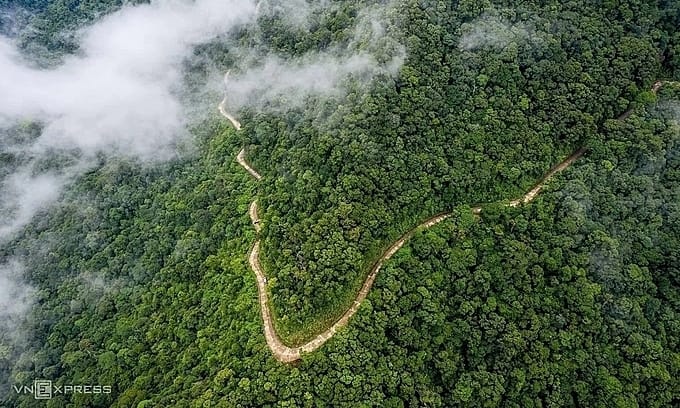


This means that the experience is often slower and more attentive. You may listen for gibbons at dawn, wait quietly for forest birds, walk trails in low light, scan the canopy for primates, visit wetlands for waterbirds, or join a night walk to look for frogs, reptiles, insects, and nocturnal life.
A good Vietnam wildlife tour is not only about what you see. It is also about how you search, how you understand the habitat, how you behave around wildlife, and how your guide helps you set the right expectations.
How Vietnam Wildlife Tours Differ from Safari-Style Travel
Many travelers imagine wildlife travel through the lens of African safari: open landscapes, large mammals, vehicles, and high visibility. Vietnam is different.
Most wildlife habitats in Vietnam are forested, layered, humid, and visually complex. Animals are often shy, cryptic, seasonal, nocturnal, or hidden in the canopy. Birds may be heard before they are seen. Primates may be detected first by calls or movement in the trees. Reptiles and amphibians may depend strongly on rain, humidity, and night conditions.
This does not make Vietnam less rewarding. It simply means the reward comes from a different kind of field experience.
In Vietnam, the best wildlife moments often come from patience:
- Standing quietly at dawn while the forest wakes up;
- Learning why one habitat holds different species from another;
- Understanding the difference between a realistic target and a lucky encounter;
- Recognizing calls, movements, feeding trees, tracks, weather patterns, and seasonal windows;
- Respecting distance and avoiding pressure on wildlife.
This is why honest expectation-setting is essential. A responsible operator should never promise guaranteed sightings of wild animals. The real promise should be to design the best possible conditions: the right route, the right season, enough field time, ethical guiding, and local knowledge.
What Wildlife Can You Expect to See in Vietnam?
Vietnam is especially interesting for travelers who enjoy birds, primates, reptiles, amphibians, forest ecology, and specialized natural history. The wildlife experience varies strongly by destination, season, weather, and the style of tour you choose.
🦅Birds

Birdwatching is one of the strongest reasons to join Vietnam wildlife tours. Depending on the region and habitat, travelers may encounter forest birds, broadbills, pittas, woodpeckers, barbets, laughingthrushes, waterbirds, and migratory species. Serious birders often plan journeys around habitat diversity, including lowland forests, montane forests, wetlands, limestone ecosystems, and coastal habitats.
🐒Primates
Vietnam is important for primate diversity and conservation. Depending on the route, travelers may focus on gibbons, douc langurs, other langurs, macaques, and lorises. However, primate watching in Vietnam requires careful ethics. Many species are sensitive, occur in forested habitats, and may be difficult to observe clearly.


The experience may involve listening for gibbons at dawn, scanning canopy movement, keeping distance from troops, and avoiding any behavior that changes natural activity. Primate photography can be possible in some places, but expectations should be realistic: distance, canopy cover, light, and animal behavior all matter.
🐍Reptiles and Amphibians
Herping in Vietnam can be highly rewarding for travelers interested in frogs, snakes, lizards, geckos, turtles, and other nocturnal forest life. It is usually strongest in humid conditions, especially around night walks, streams, forest edges, and rainy-season activity.

Herping must be guided carefully. WANEE’s standard emphasizes no collecting, no harmful handling, no habitat damage, safe trail behavior, and respect for sensitive locations. For travelers, herping is less about “catching” animals and more about observing them responsibly in their habitat.
🐘Mammals and Night Wildlife
Large mammals are much harder to observe in Vietnam than many first-time visitors expect. Some species may be present in protected areas but are rarely seen. Night safaris and night walks may offer chances for deer, civets, flying squirrels, bats, smaller mammals, and other nocturnal wildlife depending on the site and conditions.


![Itinerary - [14 Days] The Best Vietnam Wildlife Photography Tour](https://wanee.asia/wp-content/uploads/2025/03/Gaur-1442-1067x800.webp "Vietnam Wildlife Tours: What to Expect Before You Book 11")
A good guide should be honest: mammal watching in Vietnam is not a guaranteed big-animal experience. It is better understood as a careful, low-disturbance search for signs, sounds, movement, and occasional encounters.
🌳Wetland and Mangrove Wildlife
Vietnam’s wetlands and mangroves add a very different wildlife experience. In places such as Tram Chim, Can Gio, Xuan Thuy, and other wetland landscapes, the focus may shift toward waterbirds, migratory birds, mangrove ecology, seasonal flooding, and the relationship between people and wetland ecosystems.

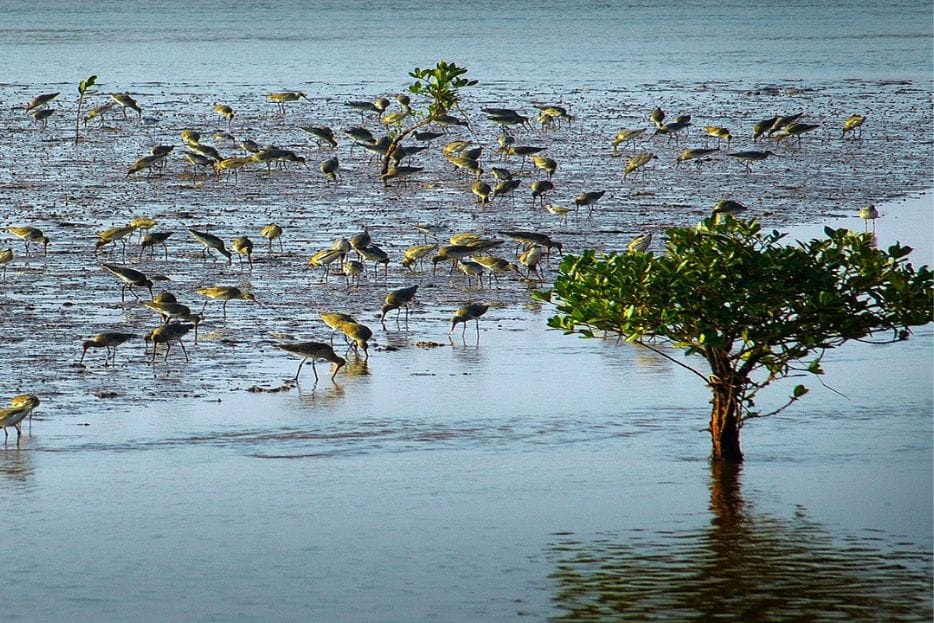

For travelers who prefer slower nature journeys, wetlands can also work well with the Wild Harmony style: less checklist pressure, more landscape interpretation, conservation storytelling, and cultural context.
The Main Styles of Go-WILD Travel
Different travelers need different wildlife journeys. A photographer, a serious birder, a first-time nature traveler, a family, and a primate enthusiast should not all be guided in the same way.
| ✈️Travel Style | ✅Best For | ‼️What to Expect | 📍Suggested Go-WILD Path |
|---|---|---|---|
| Wildlife Watching | Travelers who want a broad wildlife experience | Early mornings, forest walks, night walks, birds, primates, herps, habitat interpretation | Cat Tien Signature. Our Vietnam wildlife watching tours are designed to deliver this broad, mixed wildlife experience. |
| Birdwatching | Birders, endemic seekers, checklist-focused travelers | Target species, early starts, habitat coverage, longer field time | Vietnam Birding Grand Tour / South Vietnam Birding |
| Wildlife Photography | Photographers who care about light, hides, distance, and target opportunities | Patience, hides or field setups, realistic photo chances, ethical guidelines | Vietnam Wildlife Photography |
| Primates | Travelers interested in gibbons, doucs, langurs, and conservation | Dawn listening, canopy scanning, distance, careful behavior | Primate Watching / Primate Photography |
| Herping | Travelers interested in reptiles and amphibians | Night walks, rainy-season activity, safety and no-handling ethics | Vietnam Herping |
| Wild Harmony | Travelers who want slower, deeper nature connection | Interpretation, gentle pace, landscape, culture, conservation meaning | Tailor-made Wild Harmony |
Best Places for Wildlife Tours in Vietnam
Vietnam is one of Southeast Asia’s most diverse destinations for wildlife watching in Vietnam, offering many of the country’s best wildlife destinations in Vietnam across forests, wetlands, mangroves, limestone landscapes, and mountain habitats.
Cat Tien National Park
Cat Tien is one of the best starting points for a first wildlife trip in southern Vietnam. It offers lowland forest, birdwatching, primates, night wildlife, reptiles, amphibians, and accessible multi-day wildlife experiences from Ho Chi Minh City.
Cat Tien is especially suitable for travelers who want a compact but meaningful introduction to Vietnam’s tropical forest. A 3-day journey can include dawn wildlife sessions, forest trails, birding, primate listening, night activities, and interpretation of lowland forest ecology.

(Nomascus gabriellae)


(Harpactes oreskios)
Cat Tien remains one of the strongest starting points for Vietnam wildlife travel, especially for visitors seeking a first tropical forest experience.
Many first-time guests are surprised by how different tropical forest wildlife watching feels compared with safari-style travel. Some visitors remember hearing gibbons calling at dawn or observing bird activity along forest trails more vividly than any single wildlife sighting. These moments often become highlights because they reveal how wildlife and habitat are connected.
Da Lat Plateau and Bidoup
The Da Lat Plateau and Bidoup area are important for highland forest, cooler climate, montane birds, endemics and near-endemics, forest plants, and layered interpretation. This region is especially attractive for birders and travelers who want to understand how altitude changes wildlife communities.

(Arborophila brunneopectus)


(Paradoxornis margaritae)
A route combining Cat Tien and Da Lat can be powerful because it moves from lowland forest to highland forest, giving travelers a clearer sense of Vietnam’s habitat diversity.
Mekong Wetlands and Mangroves
The Mekong and southern wetland systems offer a different pace. Instead of dense forest, travelers may focus on waterbirds, floodplain ecology, mangroves, cranes, migratory birds, and conservation stories linked to water management and local livelihoods.


(Calidris pygmaea)
![Itinerary - The customers is observing the shorebirds in [1-Day] Birding near Ho Chi Minh City, Discover Can Gio Birds.](https://wanee.asia/wp-content/uploads/2025/06/1-Day-Can-Gio-2-600x800.jpg "Vietnam Wildlife Tours: What to Expect Before You Book 23")
This region can fit birdwatchers, soft nature travelers, and Wild Harmony journeys where the goal is not only to see wildlife but to understand the relationship between land, water, wildlife, and people.
Son Tra and Central Vietnam
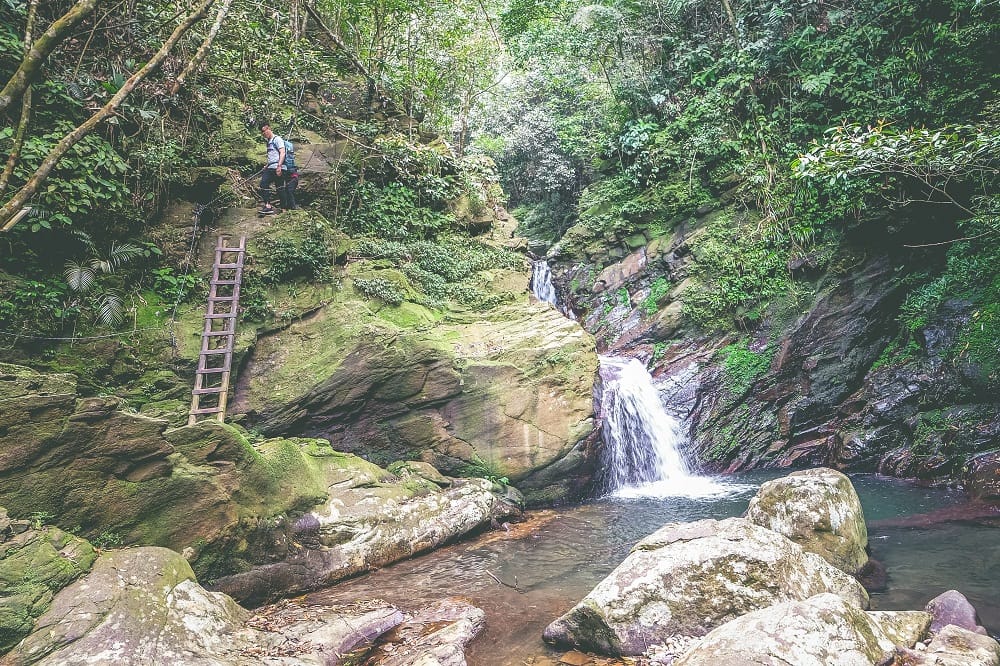
Son Tra is strongly associated with the Red-shanked Douc and coastal forest. Central Vietnam also connects to broader forest routes such as Bach Ma, Phong Nha–Ke Bang, and other habitats where primates, birds, limestone landscapes, and conservation stories can become part of a longer journey.
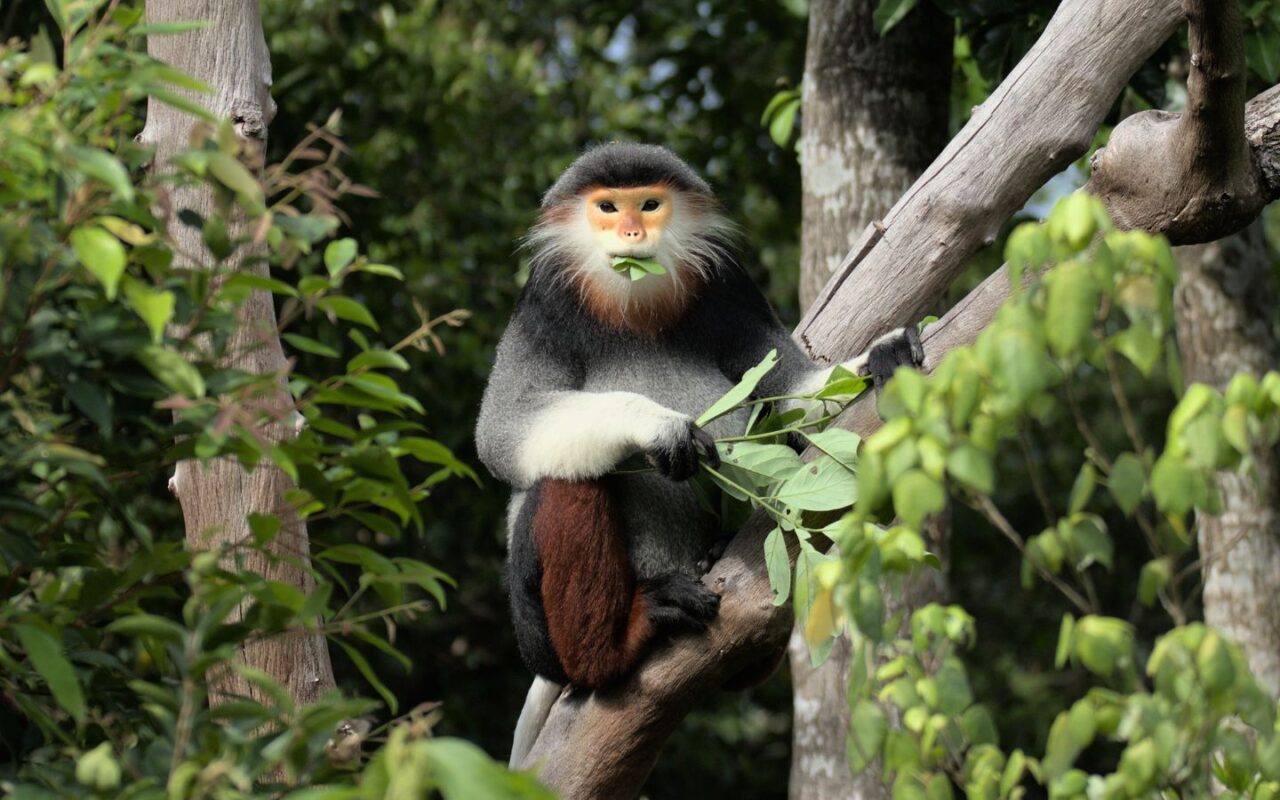
(Pygathrix nemaeus)

Because some primate sites are sensitive, content should avoid encouraging intrusive behavior or revealing micro-locations that could increase pressure on wildlife.
North Vietnam


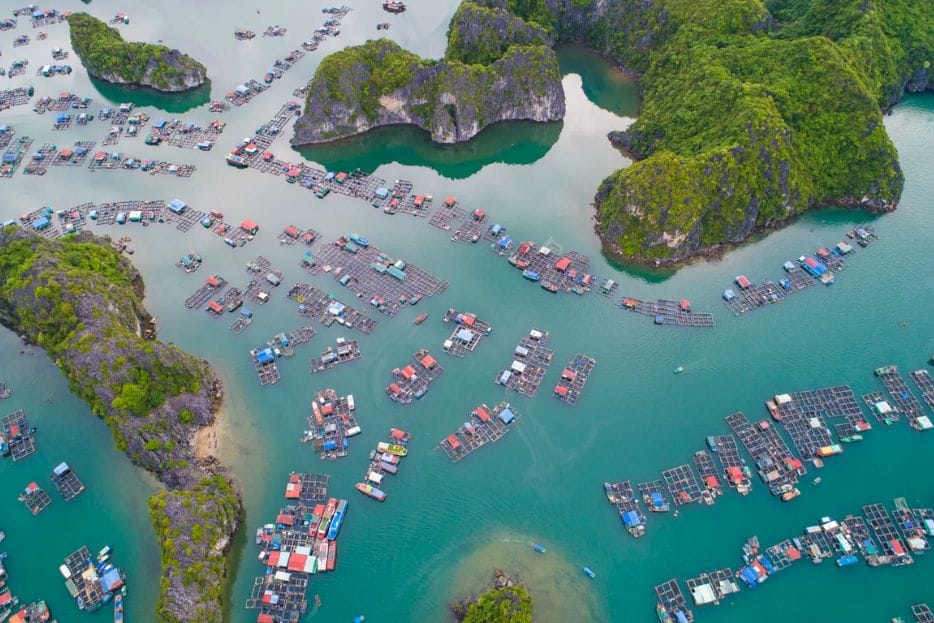
Northern Vietnam can support birding, limestone forest, wetlands, primate conservation stories, and future route development around Hanoi, Cuc Phuong, Tam Dao, Xuan Thuy, and other sites. For international birders, the North can be part of a broader Vietnam Birding Grand Tour.
Best Time for Wildlife Tours in Vietnam
There is no single best month for all wildlife in Vietnam. The best time depends on your goal. To align your chosen season with your specific wildlife interests, we strongly recommend reviewing our WANEE seasonal wildlife guide for a detailed breakdown of month-by-month field conditions.
For many forest-based tours, the dry season is often more comfortable for walking, road access, and general wildlife travel. Birding can be strong during cooler and drier months in many regions, while migratory birds depend on seasonal windows. Herping and amphibian activity can be more interesting in wetter, humid conditions. Photography depends on light, hides, species behavior, and local access.
A simple way to think about seasonality:
- Birdwatching: often planned around dry/cooler conditions, migration windows, and target species.
- Bird photography: depends on hide activity, light, species behavior, and patience.
- Herping: often improves with humidity and rain, but comfort and trail conditions become more challenging.
- Primates: often require early starts and patience, with activity affected by food, weather, disturbance, and site conditions.
- Wild Harmony: can work in more seasons because the focus includes landscape, interpretation, slower pace, and conservation learning.
How Many Days Do You Need for a Vietnam Wildlife Tour?
The right duration depends on how specific your wildlife goals are.
| 🗓️Duration | 👍Best For | ✨What It Can Realistically Do |
| 1 day | Short nature escape near a city | A light introduction, not a deep wildlife tour |
| 3 days | First forest wildlife experience | Cat Tien Signature, mixed wildlife, basic night activity, birding and primate context |
| 5–8 days | Regional birding or mixed wildlife | Combine habitats such as Cat Tien, Ma Da, Da Lat, or wetlands |
| 8–10 days | Serious birding or bird photography in the South | More target species, better pacing, more chances for hides or highland birds |
| 12–15 days | Primate or specialist photography route | More locations, more patience, more realistic target planning |
| 20–25 days | Comprehensive birding journey | Multiple regions, habitats, and bird communities across Vietnam |
A short tour can be meaningful, but it should not be sold as a complete wildlife experience. A longer tour gives more chances to match season, habitat, guide knowledge, and weather.
What Makes a Good Wildlife Guide in Vietnam?
A good wildlife guide in Vietnam does more than identify species. The guide shapes the whole field experience.
The most important qualities include:
- Knowing where and when to search, but not promising what cannot be controlled.
- Reading habitat, season, weather, sound, movement, and animal behavior.
- Managing pace so guests do not rush through the forest.
- Explaining what is happening, not only naming what is seen.
- Protecting wildlife from pressure, noise, crowding, baiting, or manipulation.
- Keeping guests safe and comfortable in real field conditions.
- Helping travelers understand misses as part of wildlife watching, not as failure.

For WANEE, this is central to the idea of a field-led journey. The guide is not simply a trip escort. The guide is a bridge between the traveler, the habitat, the species, and the meaning of the place.
Responsible Wildlife Watching: What Should Never Happen
Responsible wildlife tourism in Vietnam should protect the experience and the wildlife at the same time.
WANEE should be clear that responsible wildlife watching means:
- No guaranteed sightings;
- No staged encounters;
- No harmful feeding or baiting practices;
- No wildlife handling for entertainment;
- No pressure on nests, dens, roosts, or sensitive sites;
- No habitat damage for better photos;
- No purchase or promotion of wildlife products;
- No unsafe behavior during night walks or herping;
- No crowding or chasing animals for a better view.
This is not only an ethical position. It also creates a better long-term wildlife experience. When wildlife is not pressured, habitats are respected, local guides can keep working responsibly, and travelers receive a more honest understanding of nature.
Which Go-WILD Journey Fits You Best?
| ✨Traveler Goal | ✅Best Starting Point | ⁉️Why |
| First wildlife trip in Vietnam | Cat Tien Signature | Compact, accessible, mixed wildlife, good first forest experience |
| Serious birding | South Vietnam Birding / Vietnam Birding Grand Tour | Better habitat coverage, target planning, more field time |
| Bird photography | South Vietnam Bird Photography | Focus on light, hides, patience, and realistic photo opportunities |
| Primates and conservation | Primate Photography / Primate Watching | Focus on doucs, gibbons, langurs, ethics, and field reality |
| Reptiles and amphibians | Vietnam Herping | Best with night walks, humidity, careful safety and no-handling standards |
| Slow nature connection | Wild Harmony tailor-made journey | Best for travelers who want meaning, interpretation, comfort, and conservation context |
If you are not sure which style fits you, start by asking three questions:
- Do I want to see as many species as possible, or understand nature more deeply?
- Am I traveling for photos, a checklist, primates, herps, or a general forest experience?
- Do I prefer an intense field schedule or a slower journey with more comfort and interpretation?
Final Advice Before Booking
The most rewarding Vietnam wildlife tours are rarely those with the longest species lists. The best experiences often combine ethical guiding, habitat interpretation, and the principles of responsible wildlife tourism in Vietnam. Ask how much field time is included, what the route is designed for, what season you are traveling in, how realistic the target species are, and how the operator handles wildlife ethics.
The most rewarding Vietnam wildlife tours are rarely those with the longest species lists. Instead, they are journeys built around habitat understanding, ethical field practices, local expertise, and realistic expectations.
A good wildlife tour should leave you with more than sightings. It should help you understand Vietnam’s forests, wetlands, wildlife, and conservation challenges more clearly.
WANEE’s Go-WILD journeys are designed around that idea: field-led, honest, responsible, and rooted in local knowledge. We cannot promise every wildlife encounter, but we can help you choose the right route, travel with better expectations, and experience Vietnam’s wild nature with patience and respect.
Planning a Wildlife Journey in Vietnam?
Whether you are interested in birding, primates, herping, photography, or broader Vietnam nature tours, WANEE can help design a journey that matches your interests while supporting conservation and responsible wildlife watching.
Tell us your travel dates, wildlife interests, photography goals, comfort preferences, and available time.


WANEE designs ethical wildlife experiences across Vietnam, from tropical forests and wetlands to limestone landscapes and montane habitats. Our journeys combine local expertise, responsible wildlife watching, conservation values, and realistic field expectations to create meaningful encounters with nature.
Travel with WANEE to discover, understand, and help protect Vietnam’s remarkable wildlife.
FAQ
Are wildlife sightings guaranteed in Vietnam?
No. Wild animals move according to weather, season, habitat, disturbance, and natural behavior. A responsible wildlife operator should never guarantee sightings. A good guide can improve your chances by choosing the right timing, habitat, route, and field approach, but nature remains unpredictable.
Is Vietnam good for wildlife watching?
Yes, if you enjoy forest, birding, primates, reptiles, amphibians, wetlands, and patient field observation. Vietnam is not a classic open-land safari destination, but it can be very rewarding for travelers who appreciate tropical habitats and guided natural history.
What animals can I see on a Vietnam wildlife tour?
Depending on the route, you may encounter birds, primates, reptiles, amphibians, insects, wetland wildlife, and some nocturnal mammals. Large mammals are possible in some areas but should not be treated as the main expectation for most tours.
Is Cat Tien good for a first wildlife trip?
Yes. Cat Tien is one of the most practical first wildlife destinations in southern Vietnam because it combines lowland forest, birds, primates, herps, night wildlife, and relatively accessible logistics from Ho Chi Minh City.
What is the best month for wildlife tours in Vietnam?
It depends on your focus. Birding, photography, herping, primates, and wetland wildlife each have different seasonal strengths. Many general forest tours are more comfortable in the drier months, while herping and amphibian activity may improve with rain and humidity.
How many days do I need for a wildlife tour?
For a first forest experience, 3 days in Cat Tien can work well. For serious birding or photography, 8–10 days gives much better habitat coverage. For primates, specialist photography, or a national birding route, a longer journey may be needed.
Is a Vietnam wildlife tour suitable for beginners?
Yes, if the tour is designed with the right pace and expectations. Beginners often enjoy Cat Tien, wetlands, or Wild Harmony-style journeys. Serious birding and photography tours can be more intense and are better for travelers who are comfortable with early starts and longer field time.
What is the difference between wildlife watching and birdwatching?
Wildlife watching is broader and may include birds, primates, mammals, herps, night wildlife, and habitat interpretation. Birdwatching is more focused on birds, often with target species, checklists, early mornings, and habitat coverage designed around bird communities.
Can I do wildlife photography in Vietnam?
Yes, but realistic expectations are important. Forest light can be difficult, animals may be shy or distant, and good images often require patience. Bird photography may involve hides or field setups, while primate photography depends on distance, canopy, light, and animal behavior.
Are night walks safe in Vietnam’s forests?
Night walks can be safe when guided properly, with clear rules, appropriate footwear, lights, group control, and no handling of wildlife. Guests should follow the guide’s instructions and avoid touching animals, stepping off-trail unnecessarily, or approaching wildlife too closely.
Related Reading
If this overview inspires you to travel deeper, our field team has compiled the following guides to help you refine your destination and travel ethics:
- How to Choose a Wildlife Tour in Vietnam – Practical criteria to help you distinguish authentic, low-impact operators from commercial mass tours.
- Responsible Wildlife Tourism in Vietnam – Our core principles on conservation, animal welfare, and ethical field behaviors.
- Best Places for Birdwatching in Vietnam – A strategic overview of Vietnam’s premier lowland and montane birding hotspots.
- Cat Tien Wildlife Guide – A comprehensive field handbook to target species, trails, and trekking conditions in Cat Tien National Park.