

Vietnam Birding Guide
Birding in Vietnam:
Regions, Habitats and Field Expectations
Vietnam combines tropical lowland forest, montane habitats, limestone landscapes, wetlands and coastal birding across one long and geographically varied country. This guide helps birders understand where to go, when to travel and how to choose a realistic route.
For first-time visitors, target-focused birders and travellers planning a broader wildlife journey.

4
6
3-27
Days, by route
N→S
Full-country range
Vietnam Birding at a Glance
Birding in Vietnam is shaped by geography. Different regions offer different habitats, species communities, travel conditions and field experiences.
Four Major Birding Regions
Northern Vietnam, Central Vietnam, the Da Lat Highlands, and Southern Vietnam with the Mekong wetlands.
Six Key Habitat Types
Lowland rainforest, montane forest, limestone, dry woodland, wetlands and coastal mudflats.
Routes for Different Timeframes
From short destination extensions to regional journeys and comprehensive tours.
Two Ways to Travel
Choose a private tailor-made journey or join a selected small-group departure.
Field-led Planning
Routes are shaped by habitat, season, target priorities, travel time and real field conditions.
Why Vietnam Matters for Birders
Vietnam’s long north–south geography, varied elevations and position between major biogeographic regions create strong differences in birdlife across the country.
A single journey can move from montane forest and limestone valleys to lowland rainforest, dry woodland, wetlands and coastal mudflats.
Geographic Range
Vietnam stretches across several climatic and ecological zones, creating distinct bird communities from north to south.
Endemic & Restricted-range Birds
Many of Vietnam’s most sought-after birds occur only in particular regions or habitat systems.
Habitat Diversity
Birding can include highland forest, tropical lowlands, limestone, wetlands, mangroves and open woodland.
Flexible Journey Design
Vietnam supports short extensions, focused regional routes and long national birding journeys.
Vietnam's Main Birding Regions
No single destination represents birding in Vietnam. Each region offers a different combination of habitats, specialities and field conditions.

Key habitats:
Key habitats:
Key habitats:
Destination: Da Lat · Langbiang · Bidoup
Key habitats:
Habitats
The Habitats That Shape a Birding Journey
Birding in Vietnam is best understood through habitat. Elevation, forest type, water conditions and access can completely change the character of a journey.

Lowland Rainforest
Dense forest birding with pittas, broadbills, woodpeckers, hornbills and mixed-species activity. Visibility can be limited, and patience is essential.

Montane Forest
Cooler highland conditions, restricted-range birds and elevation-dependent species, often combined with steep terrain or longer field days.

Limestone Forest
Specialised landscapes with distinct bird communities, uneven terrain and routes shaped by access and local conditions.

Dry Woodland
More open habitats, seasonal conditions and a bird community distinct from humid forest regions.

Wetlands & Floodplains
Waterbirds, grassland species and seasonal activity shaped by water levels, access and migration.

Mangroves & Coastal Mudflats
Tidal birding for shorebirds, waterbirds and mangrove species, where timing and local logistics are critical.
Endemic Birds and Regional Specialities
Many birders travel to Vietnam for endemic and restricted-range species. These birds are not evenly distributed, and no single itinerary can cover every priority equally well.
![Itinerary - The Blue Pitta sighted at a birding hotspot in [6-Day] Pittas Photography Tour – Cat Tien - Di Linh - Dalat.](https://wanee.asia/wp-content/uploads/2025/06/Di-linh-2.jpg "FIELD GUIDE - BIRD GUIDE 10")
Da Lat Plateau
Montane forest and highland habitats hold some of Vietnam’s best-known endemic and near-endemic birds.
Best year-round;
cool dry months ideal.

Central Annamites
Remote mountain systems and specialist forest habitats support distinctive regional birds.
March-June good;
Rain may reduce access.

Northern Mountains & Limestone
Montane and limestone landscapes offer northern species communities and habitat specialists.
Oct-Apr most reliable;
winter can be cold.

Southern Lowlands
Lowland rainforest and dry woodland support a different set of forest birds from the highlands.
Nov-Apr drier;
productive year-round.

Wetlands & Coast
Migration, tidal conditions and water levels influence shorebird and waterbird opportunities.
Wet season peaks;
migration varies.
When Is the Best Time for Birding in Vietnam?
There is no single best month for every birding region. Weather, elevation, migration, breeding activity, water levels and access all vary across the country.
November – February
March–April
May–August
September–October
Seasonal patterns are guides, not guarantees. Conditions vary by region and year.
What Birding in Vietnam Is Really Like

Early Starts
Many days begin before sunrise, when species are most vocal.

Dense Forest Visibility
Birds are often easier to hear than see; good views need patience.
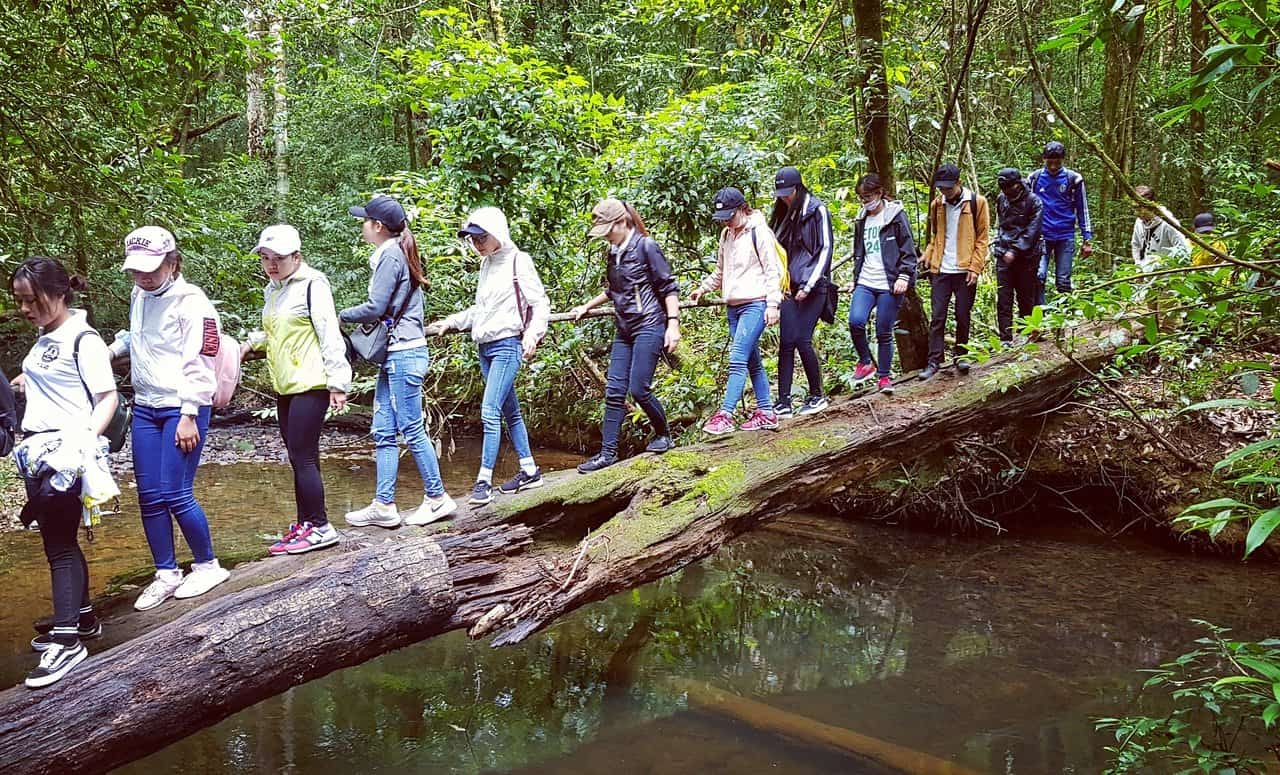
Walking and Terrain
Routes range from flat forest roads to steep, extended trails.

Climate
Heat, humidity, rain and mist can affect comfort and bird activity.

Travel Time
Strong routes balance geographic coverage with real field time.

Flexible Planning
Guides adjust timing and focus as weather and access change.
Choose the Right Vietnam Birding Route
The right route depends on what you want from the journey, not simply how many places can fit into the itinerary.
First Vietnam Birding Journey
duration
Route logic
Travel intensity
Best suited for
Endemic-focused Route
duration
Route logic
Travel intensity
Best suited for
Comprehensive Vietnam Route
duration
Route logic
Travel intensity
Best suited for
Birding with Care
Good birding should create meaningful encounters without placing unnecessary pressure on birds or habitats.
Sensitive Species
Exact locations of vulnerable species may be withheld or shared only when appropriate.
Playback
Limited and adapted to species, season and local conditions, not a default tool.
Nesting Birds
Active nests and breeding birds require added distance and careful judgement.
Photography
A photograph should never justify prolonged disturbance or crowding.
Habitat Respect
Stay on routes, minimise trampling, follow local regulation and guidance.
Choose How You Bird Vietnam
Go-WILD offers both private tailor-made birding journeys and selected small-group departures.
Private & Tailor-made
• Dates, target birds, pace
• Photography priorities
• Mobility / comfort
• Wider travel requirement
Fixed Departures
• Selected dates
• Proven routes
• Shared costs
• Solo travellers welcome
• Specialists small-group format

FIND YOUR ROUTE
Birding Journey to explore
Structured by route scope and birding intensity, from southern introductions to deeper regional and national birding journeys.
South & Central Vietnam Birding Journey
Private or very small group
Vietnam Birding Grand Tour
Experienced birders with wide geographic priorities.
Private
27D
Cat Tien Birding & Wildlife
Private
3-5D

Go Deeper
Continue Exploring Vietnam’s Birdlife
FAQ
Planning a Birding Trip to Vietnam
When is the best time for birding in Vietnam?
Timing varies by region. Many longer routes operate well during the cooler and drier months, while bird activity, migration and weather differ across habitats.
How many days do I need?
Three to five days can cover one destination. Seven to fourteen days works well for a regional route. Twenty days or more is usually needed for broad national coverage.
Can bird sightings be guaranteed?
No. Wildlife movement, weather, habitat conditions and access affect every birding journey.
Are Vietnam birding tours physically demanding?
The level varies. Some destinations use flat forest roads, while others involve steep mountain trails, uneven limestone or long days on foot.
Is Vietnam suitable for bird photography?
Yes, but photography requires a different pace, more waiting time and realistic expectations about light, distance and visibility.
Can solo travellers join?
Yes. Solo travellers can book private journeys or join selected scheduled departures.
Do I need a spotting scope?
A scope is especially useful for wetlands, shorebirds and open habitats. It is less essential for some forest routes.
Can Go-wild design a route around my target list?
Yes. The team can assess target priorities against season, geography, travel time and realistic field conditions.
Get Started
How Would You Like to Explore Vietnam's Wildlife?
Choose a private journey shaped around your own interests, or join one of our carefully planned small-group departures. Share your travel dates, wildlife priorities and preferred field experience, and we will help you identify the most suitable way to travel.
Prefer WhatsApp?
We usually reply within 48 hours with practical, honest advice.