
How Vietnam’s wildlife changes through the year
Seasons reshape more than the weather. They change trail access, forest activity, migration, light and the kind of field time each destination offers.
Use this guide as a starting point, not a promise.
Wildlife activity still depends on local conditions, timing and the day itself.
A quick seasonal picture for Cat Tien National Park
See how each wildlife group’s activity typically changes through the year.
| Wildlife Group | Jan | Feb | Mar | Apr | May | Jun | Jul | Aug | Sep | Oct | Nov | Dec |
|---|---|---|---|---|---|---|---|---|---|---|---|---|
| Birds | • | • | • | • | • | • | • | • | • | • | • | • |
| Primates | • | • | • | • | • | • | • | • | • | • | • | • |
| Herps & Amphibians | • | • | • | • | • | • | • | • | • | • | • | • |
DRY SEASON
Nov–Feb
Nov–Feb
Cooler mornings, firmer trails and generally more stable access across lowland forest and wetland routes.

- Resident forest birds
- Winter visitors
- Dawn listening
- Primate tracking
- Longer mixed-wildlife field sessions
- Mostly dry
- Cooler mornings
- Generally easier trails
- Lower leech pressure
- Birdwatching
- Primate watching
- Mixed wildlife
- Longer forest walks
- Your priority is rain-led herping
- Peak frog activity or lush wet-season forest.
TRANSITION
Mar–Apr
Mar–Apr
Hotter days and increasingly dry conditions shift the best field time toward early morning and late afternoon.

- Focused early birding
- Primate watching
- Water-edge observation
- Occasional activity after local rain
- Hot and dry
- Heat is the main limiter
- Firm or dusty trails
- Shorter midday windows
- Early starts
- Focused wildlife sessions
- Travellers comfortable with heat-aware pacing
- You prefer cool weather
- Long midday walks or rain-dependent herping
WET SEASON
May–Oct
May–Oct
Dense green forest, regular rain and stronger nocturnal conditions create a different, more flexible field rhythm.

- Frogs, reptiles and invertebrates
- Lush forest atmosphere
- Short birding windows
- Active night field conditions
- Humid with frequent rain
- Muddy trails
- Leeches and variable route access
- Herping
- Macro photography
- Flexible mixed-wildlife sessions
- Repeat visitors
- You need consistently dry trails
- Clear light or long fixed walking plans
A note on wildlife and seasons
Nature doesn’t follow a calendar. Use this guide to plan the right window, then stay flexible in the field.
A quick seasonal picture for Da Lat Plateau
See how each wildlife group’s activity typically changes through the year.
| Wildlife Group | Jan | Feb | Mar | Apr | May | Jun | Jul | Aug | Sep | Oct | Nov | Dec |
|---|---|---|---|---|---|---|---|---|---|---|---|---|
| Birds | • | • | • | • | • | • | • | • | • | • | • | • |
| Primates | • | • | • | • | • | • | • | • | • | • | • | • |
| Herps & Amphibians | • | • | • | • | • | • | • | • | • | • | • | • |
DRY SEASON
Dec–Apr
Dec–Apr
Cool mornings and more stable access support the clearest broad window for highland birding and photography.

- Highland birds
- Endemic & restricted-range targets
- Clearer route & photography windows
- Cool and generally drier
- Early fog or mist possible
- Walking varies by site.
- Birdwatching
- Bird photography
- Specialist highland extensions
- Your priority is wet-season herping
- Your priority is broad mixed-wildlife travel
TRANSITION
May–Jun
May–Jun
The plateau becomes greener as rain returns and forest-floor activity begins to rise.

- Resident birds
- Changing flowering & fruiting patterns
- Increasing amphibian &invertebrate activity
- Mixed sun and rain
- Cooler than the lowlands
- Trails becoming wetter
- Balanced natural history
- Shorter birding sessions
- Early wet-season herping
- You need consistently clear photography light
- You need a tightly fixed target schedule
WET SEASON
Jul–Nov
Jul–Nov
Cloud, rain and mist create atmospheric highland forest days but reduce predictability across routes.

- Herps, fungi and wet-forest ecology
- Resident birds during shorter workable windows
- Frequent rain and mist
- Slippery routes
- Visibility and access vary considerably by site
- Herping
- Forest interpretation
- Flexible slow-paced journeys
- Your priority is target-heavy birding
- You prefer consistently dry photography conditions
A note on wildlife and seasons
Nature doesn’t follow a calendar. Use this guide to plan the right window, then stay flexible in the field.
A quick seasonal picture for Mekong Wetlands
See how each wildlife group’s activity typically changes through the year.
| Wildlife Group | Jan | Feb | Mar | Apr | May | Jun | Jul | Aug | Sep | Oct | Nov | Dec |
|---|---|---|---|---|---|---|---|---|---|---|---|---|
| Birds | • | • | • | • | • | • | • | • | • | • | • | • |
| Primates | • | • | • | • | • | • | • | • | • | • | • | • |
| Herps & Amphibians | • | • | • | • | • | • | • | • | • | • | • | • |
DRY SEASON
Nov–Apr
Nov–Apr
Lower water levels and seasonal migration usually create the strongest broad window for waterbird watching.
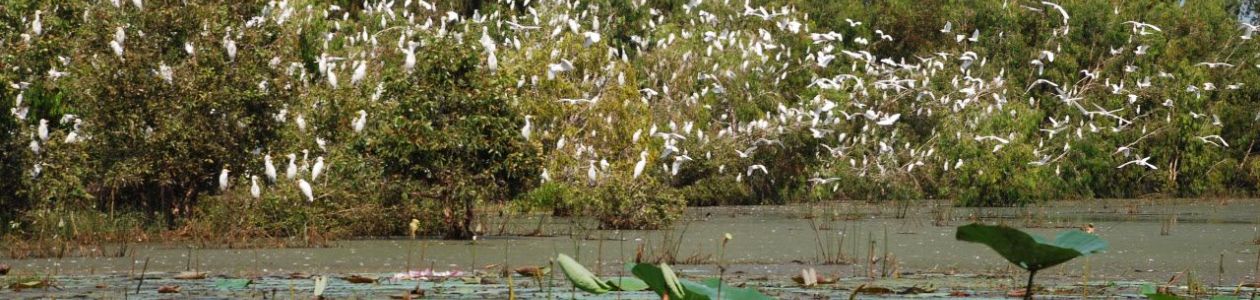
- Ducks, waders, storks, herons and other waterbirds
- Open feeding areas
- Broad wetland views
- Dry, sunny and warm
- Boat and road access are often easier
- Heat increases toward April
- Waterbird watching
- Wetland photography
- Short extensions from Ho Chi Minh City
- Your priority is primates
- You prefer shaded forest walking
- You prefer guaranteed species
TRANSITION
May–Jul
May–Jul
Rain returns, water spreads across the floodplain and routes begin to change with local hydrology.
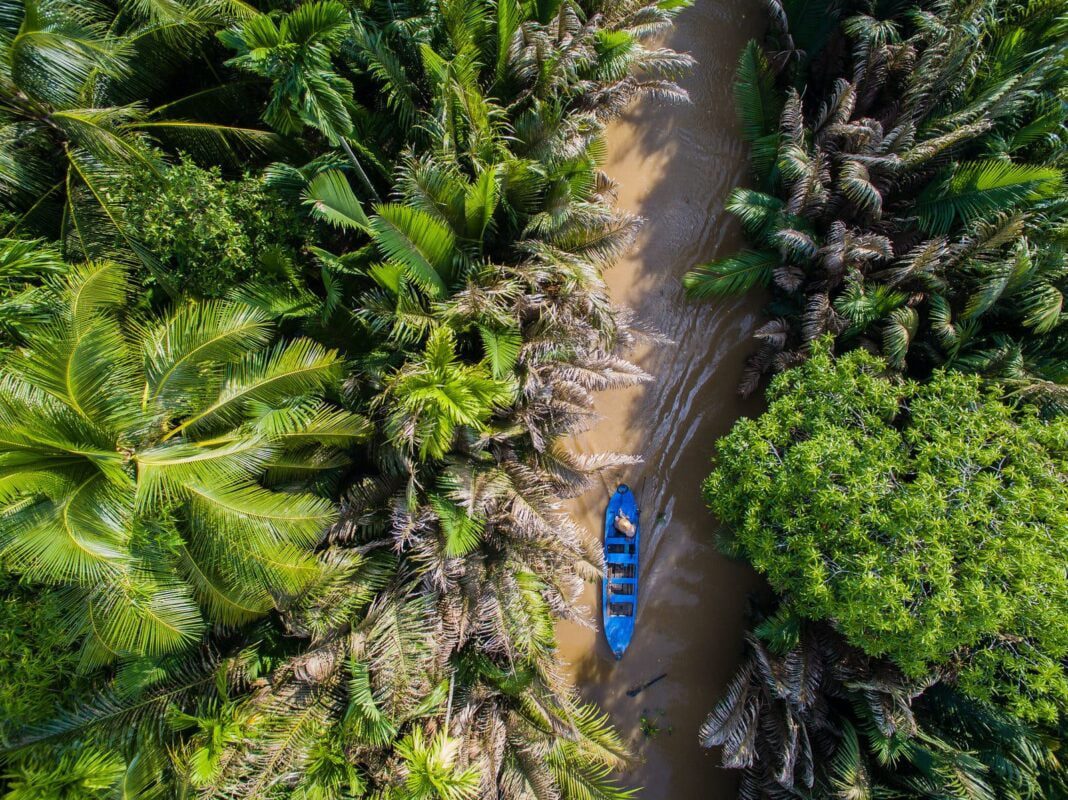
- Resident waterbirds
- Wetland plants, insects and amphibians
- Changing floodplain ecology
- Hot, humid and showery
- Access becomes increasingly dependent on local water levels
- Natural-history journeys
- Resident waterbirds
- Wet-season ecology
- You need dry-footed travel
- Your prefer highly fixed route
FLOODED SEASON
Aug–Oct
Aug–Oct
At suitable inland wetlands, high water and flooded landscapes reshape both the scenery and the practical way the habitat is explored.

- Resident waterbirds
- Flooded-landscape photography
- Amphibians and aquatic ecology, depending on site conditions
- High humidity and regular rain
- Access is water-level-dependent, while coastal sites follow a different tidal rhythm.
- Slow wetland journeys
- Landscape and ecology
- Flexible boat-based exploration where locally appropriate
- Your priority is peak migrant diversity
- You prefer predictable terrestrial access
A note on wildlife and seasons
Nature doesn’t follow a calendar. Use this guide to plan the right window, then stay flexible in the field.
A quick seasonal picture for Central Vietnam
See how each wildlife group’s activity typically changes through the year.
| Wildlife Group | Jan | Feb | Mar | Apr | May | Jun | Jul | Aug | Sep | Oct | Nov | Dec |
|---|---|---|---|---|---|---|---|---|---|---|---|---|
| Birds | • | • | • | • | • | • | • | • | • | • | • | • |
| Primates | • | • | • | • | • | • | • | • | • | • | • | • |
| Herps & Amphibians | • | • | • | • | • | • | • | • | • | • | • | • |
DRY SEASON
Jan–Apr
Jan–Apr
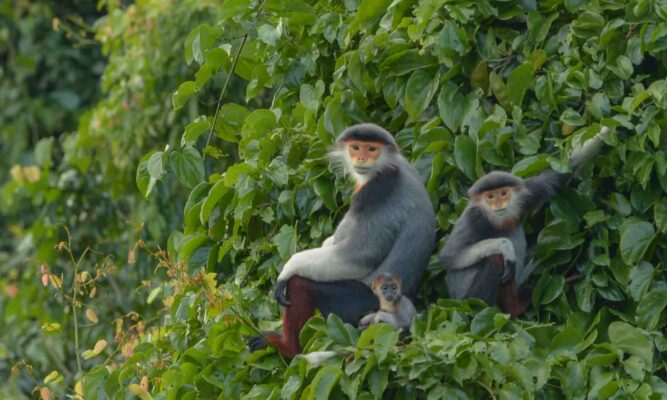
More stable mornings generally support workable forest access and clearer primate-focused field sessions.

- Red-shanked doucs
- Resident forest birds
- Coastal-forest observation and photography
- Mild to warm
- Generally drier
- Cloud or drizzle remains possible
- Primate watching
- Ethical wildlife photography
- Short specialist routes
- Your priority is herping
- You expect guaranteed close primate views
HUMID SEASON
May–Aug
May–Aug
Warm humid forest and longer workable periods support a balanced mix of primate and general wildlife field time.

- Primates and forest birds
- Increasing reptile and amphibian activity
- Greener landscapes
- Hot and humid
- Showers possible
- Access is usually more stable than during the late-year monsoon
- Primates
- Mixed central wildlife
- Carefully planned herping extensions
- You prefer cool weather
- Your prefer long exposed midday sessions
STORM SEASON
Sep–Dec
Sep–Dec
Heavy rain, low cloud and storms can interrupt access, reduce visibility and force last-minute changes.
- Wet-forest ecology may remain active when conditions are safe, but overall field reliability falls
- High rainfall
- Storm and typhoon risk
- Possible route closures or cancellations
- Flexible travellers
- Short weather-aware windows
- Interpretation-led experiences
- You need predictable access, exposed photography
- You prefer fixed target programme
A note on wildlife and seasons
Nature doesn’t follow a calendar. Use this guide to plan the right window, then stay flexible in the field.
A quick seasonal picture for North Vietnam
See how each wildlife group’s activity typically changes through the year.
| Wildlife Group | Jan | Feb | Mar | Apr | May | Jun | Jul | Aug | Sep | Oct | Nov | Dec |
|---|---|---|---|---|---|---|---|---|---|---|---|---|
| Birds | • | • | • | • | • | • | • | • | • | • | • | • |
| Primates | • | • | • | • | • | • | • | • | • | • | • | • |
| Herps & Amphibians | • | • | • | • | • | • | • | • | • | • | • | • |
DRY SEASON
Oct–Mar
Oct–Mar
Cooler conditions and generally better access create the strongest broad regional window across several northern habitats.

- Winter visitors
- Resident forest birds
- Limestone, mountain and wetland routes
- Site-specific primate extensions
- Cool to cold depending on elevation
- Generally drier
- Mist and drizzle remain possible
- Birding
- Multi-habitat routes
- Carefully selected primate extensions
- Your priority is herping
- You are unprepared for cold, damp mountain mornings
TRANSITION
Apr–May
Apr–May
Warmer forest conditions and the first stronger rains change daily timing and broaden natural-history interest.

- Resident bird activity
- Butterflies
- Increasing reptile and amphibian activity
- Warm with increasing showers
- Routes remain workable but conditions can change quickly
- Birding
- Broader natural history
- Mixed forest interpretation
- Your priority is winter migrants
- You prefer low humidity
RAINY SEASON
Jun–Sep
Jun–Sep
Heat, rain and dense vegetation make travel less predictable while creating stronger conditions for herps and wet-forest ecology.
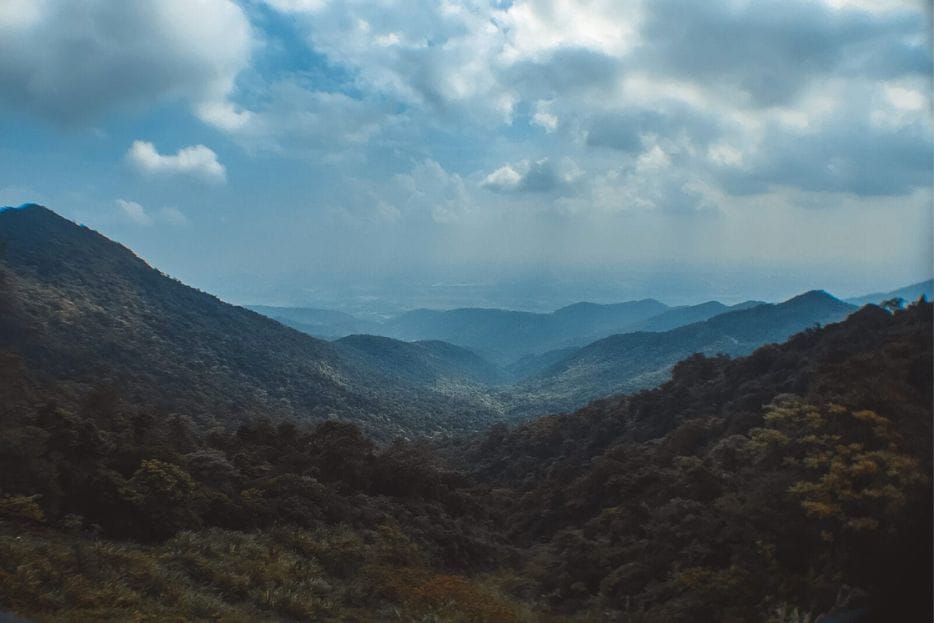
- Frogs, reptiles and insects
- Lush limestone and montane forest
- Resident wildlife
- Hot, humid and frequently wet
- Slippery trails and weather disruption are possible
- Herping
- Forest ecology
- Flexible slower travel
- You need a long fixed birding circuit, winter migrants
- You prefer consistently easy access
A note on wildlife and seasons
Nature doesn’t follow a calendar. Use this guide to plan the right window, then stay flexible in the field.
Start planning
Not sure where to begin?
Tell us what you hope to see, photograph or experience. We will suggest a realistic route or tell you honestly if another season or destination fits better.
Prefer WhatsApp?
We usually reply within 48 hours with practical, honest advice.