

Responsible wildlife tourism in Vietnam means experiencing wildlife in a way that protects animals, habitats, and local communities while creating meaningful encounters for travelers. Ethical wildlife experiences in Vietnam are built on respect, conservation awareness, responsible wildlife watching practices, and realistic expectations rather than guaranteed sightings or close interactions.
Vietnam offers extraordinary opportunities to experience birds, primates, reptiles, amphibians, mammals, forests, wetlands, and coastal ecosystems. However, the quality of a wildlife experience should not be measured by how close visitors get to animals or how many species they see. It should be measured by whether wildlife remains undisturbed, habitats remain intact, and travelers leave with a deeper understanding of nature.

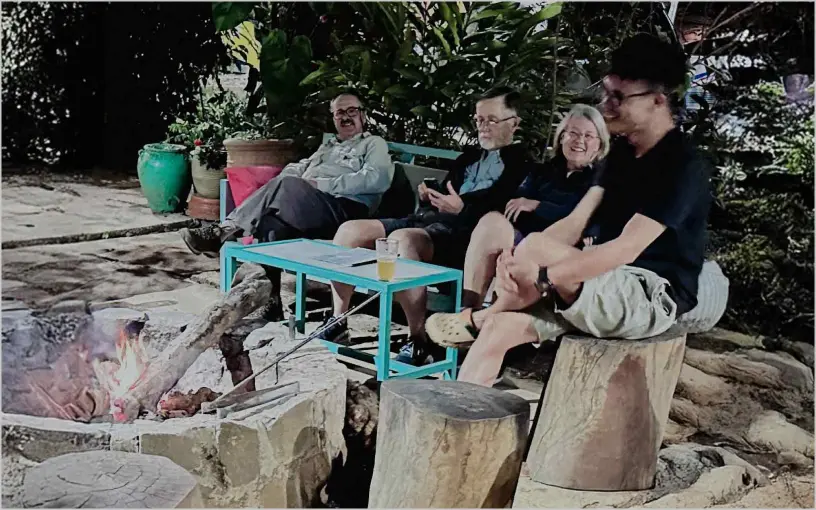

For Go-WILD, responsible wildlife tourism is not a restriction on travel. It is what allows wildlife experiences to remain meaningful and sustainable for future generations.
Why Responsible Wildlife Tourism in Vietnam Matters
Vietnam is one of Southeast Asia’s most biologically diverse countries. From lowland forests and montane habitats to wetlands, limestone landscapes, mangroves, and coastal ecosystems, the country supports an extraordinary range of wildlife.
At the same time, many species face pressure from habitat loss, fragmentation, illegal hunting, wildlife trade, and increasing visitor pressure. This makes ethical wildlife tourism in Vietnam more important than ever.


Wildlife tourism can create positive outcomes when it:
- Encourages habitat protection;
- Supports conservation awareness;
- Creates economic value linked to living wildlife;
- Promotes responsible visitor behavior;
- Supports local conservation efforts;
- Helps travelers understand ecological relationships.
However, wildlife tourism can also become harmful when it prioritizes close encounters, social-media content, species checklists, or photography at the expense of animal welfare.
Responsible wildlife tourism recognizes that wildlife is not a product. Wildlife remains wild.
What Responsible Wildlife Tourism in Vietnam Should Mean
At its core, responsible wildlife tourism in Vietnam means “minimizing disturbance while maximizing understanding”.
A responsible wildlife experience should allow visitors to observe, learn, and appreciate wildlife without changing natural behavior, damaging habitat, or creating additional stress for animals.
Responsible wildlife tourism should include:
- Realistic Eexpectations;
- Ethical guiding practices;
- Respect for protected-area rules;
- Habitat protection;
- Conservation awareness;
- Wildlife welfare;
- Visitor education;
- Long-term sustainability.
A successful wildlife encounter is not necessarily the closest encounter. Often, the most memorable experiences come from observing natural behavior from a respectful distance.
Understanding Vietnam’s Wildlife Reality
Vietnam is not a traditional safari destination.
Most wildlife experiences occur in:
- Tropical Forests
- Montane Forests
- Limestone Landscapes
- Wetlands
- Mangroves
- River Systems
- Coastal Forests
- Nocturnal Environments
Many species are naturally elusive.
Wildlife in Vietnam is often elusive and shaped by habitat, weather, and natural behavior. Birds are frequently heard before they are seen, while primates may remain high in the canopy and out of clear view. Reptiles and amphibians often become active only under specific weather conditions, particularly during humid or rainy periods. Many mammals are nocturnal or highly sensitive to disturbance, making patience, timing, and responsible field behavior essential parts of the wildlife experience. To truly align your expectations with these natural realities, we encourage every traveler to reference our seasonal wildlife patterns before departure.


Because of this, responsible wildlife watching in Vietnam depends on:
- Patience;
- Timing;
- Habitat knowledge;
- Field skills;
- Local expertise;
- Realistic expectations.
The goal is not guaranteed sightings. The goal is meaningful wildlife experiences conducted responsibly.
Responsible Wildlife Watching in Vietnam
Responsible wildlife watching in Vietnam is about observation rather than interaction.
Wildlife should never feel pressured to perform, approach, remain visible, or tolerate human presence.
| 👍Responsible Wildlife Watching | 👎Avoid These Behaviors |
|---|---|
| Maintain appropriate distance from wildlife | Feed wildlife |
| Remain quiet and minimize noise | Touch or handle wildlife |
| Limit group disturbance | Chase animals for better views |
| Follow guide instructions | Block wildlife movement routes |
| Respect natural wildlife behavior and movement | Attract animals using food or bait |
| Avoid damaging vegetation or habitat | Damage vegetation for better visibility |
| Accept missed sightings as part of the experience | Disturb nests, dens, roosts, or breeding sites |
The best wildlife guides help visitors understand behavior and ecology rather than simply pursuing sightings.
Responsible Birdwatching
Birdwatching is one of Vietnam’s strongest wildlife experiences, but ethical considerations remain important.
Responsible birdwatching should emphasize:
- Patient observation;
- Habitat understanding;
- Respectful field behavior;
- Limited and appropriate use of playback where permitted;
- Protection of nesting birds;
- Avoidance of sensitive breeding areas.
Responsible birdwatching requires patience and realistic expectations.


Forest birds may remain hidden in dense vegetation, and some species are heard far more often than they are seen. Photographers and birders should avoid putting pressure on birds for better views or images. These challenges are not obstacles to overcome but part of the authentic experience of observing wild birds in their natural habitat. For specialized journeys tailored to deep, low-impact observation, we offer dedicated ethical birdwatching tours in Vietnam that strictly follow these protocols.
Responsible Primate Watching
Vietnam is internationally important for primate conservation.
Species such as gibbons, doucs, langurs, lorises, and macaques attract wildlife travelers from around the world.
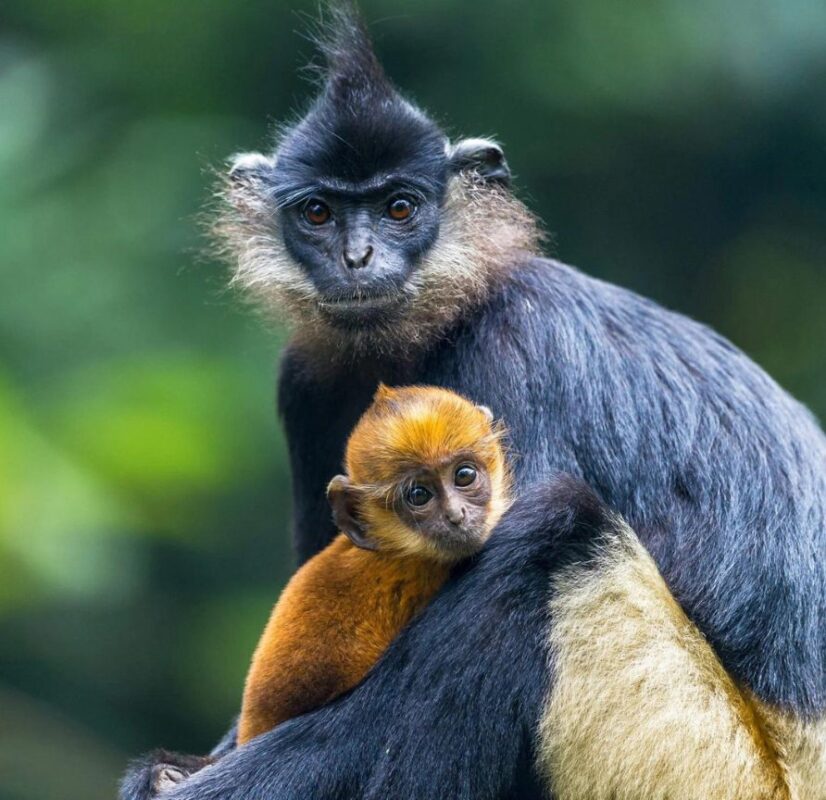
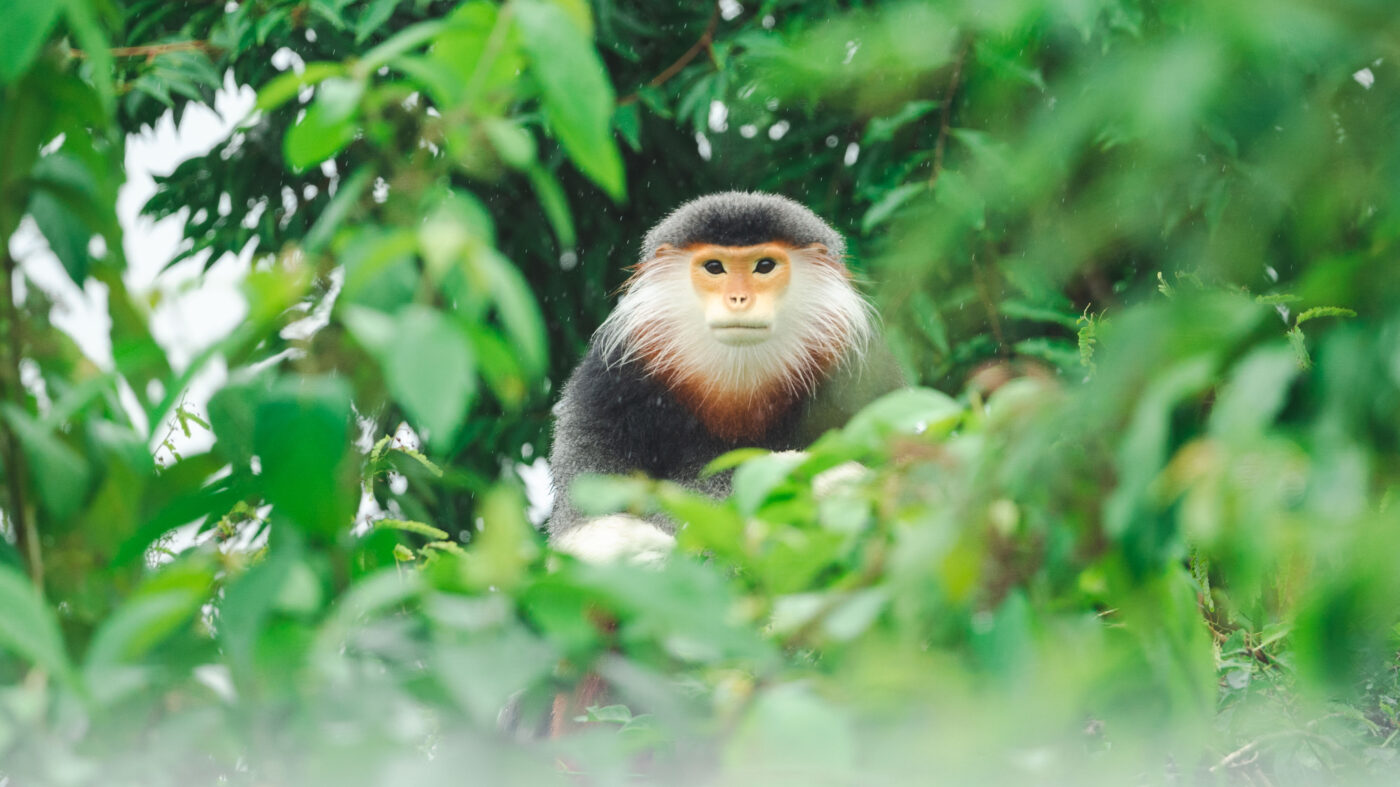


Responsible primate watching should prioritize:
- Respectful viewing distance;
- Quiet observation;
- Natural behavior;
- Habitat interpretation;
- Conservation awareness.
Visitors should avoid:
- Feeding primates;
- Encouraging close approaches;
- Crowding groups;
- Blocking movement routes;
- Using primates as photography props.
A primate encounter becomes more meaningful when visitors understand the conservation story behind the species. Our responsible wildlife watching tours in Vietnam integrate these conservation narratives into every field session to deepen the experience.
Responsible Herping and Night Wildlife Experiences
Herping and night wildlife observation can provide remarkable insights into reptiles, amphibians, and nocturnal wildlife.
However, these activities require especially strong ethical standards.


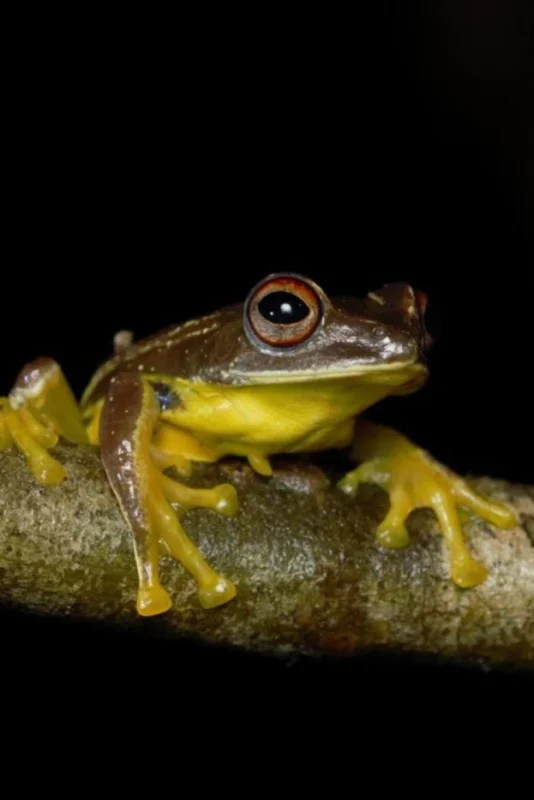
Responsible herping should include:
- No collecting;
- No unnecessary handling;
- No habitat destruction;
- Minimal disturbance;
- Careful use of lights;
- Respect for sensitive microhabitats.
Night wildlife experiences should prioritize animal welfare over species counts.
Wildlife should be observed, not manipulated.
Responsible Wildlife Photography
Wildlife photography can inspire conservation, but it also creates risks when images become more important than wildlife welfare.


Responsible wildlife photography should prioritize:
- Animal welfare;
- Habitat protection;
- Ethical field practices;
- Realistic expectations.
Photographers should understand that:
- Wildlife controls the encounter;
- Good photographs require patience;
- Distance matters; Light conditions vary;
- Not every opportunity will produce perfect images.
Ethical wildlife experiences in Vietnam should never compromise wildlife welfare for a photograph. We design our wildlife photography tours in Vietnam with this golden rule as the non-negotiable foundation of every shoot.
How Responsible Wildlife Tourism in Vietnam Supports Conservation
Wildlife conservation tourism in Vietnam can contribute positively when it is designed around education, conservation awareness, and ethical visitor behavior.
Responsible tourism can help:
- Increase conservation awareness;
- Support protected areas;
- Strengthen local stewardship;
- Encourage habitat protection;
- Promote appreciation for biodiversity.
Conservation outcomes are strongest when wildlife tourism focuses on long-term protection rather than short-term entertainment.
Travelers who understand ecosystems often become stronger advocates for conservation.
How Responsible Wildlife Tourism Creates Better Experiences
Many travelers assume that closer wildlife encounters automatically create better experiences. In reality, responsible and sustainable wildlife tourism in Vietnam often creates deeper and more memorable moments. A primate observed naturally from a respectful distance can be far more meaningful than a close encounter influenced by human presence or disturbance.
The same principle applies across many wildlife experiences. A dawn forest filled with bird calls can leave a stronger impression than a rushed checklist of sightings. Watching wildlife behave naturally, even briefly, often provides a more authentic understanding of the ecosystem than pursuing constant close views.

Guided experiences that reveal ecological relationships, animal behavior, and conservation challenges frequently create lasting memories beyond simple species counts. Responsible tourism encourages visitors to appreciate wildlife as part of functioning ecosystems rather than isolated attractions, helping transform observation into understanding and understanding into conservation awareness.
Common Mistakes in Wildlife Tourism
Expecting Guaranteed Sightings
Wildlife is unpredictable.
No responsible operator should guarantee wildlife sightings.
Prioritizing Photos Over Welfare
Wildlife welfare should always come before photography.
Feeding Wildlife
Feeding changes natural behavior and can create long-term problems.
Ignoring Habitat
Wildlife depends on habitat.
Protecting habitat is protecting wildlife.
Sharing Sensitive Locations
Publishing exact locations for sensitive species can increase pressure on vulnerable populations.
Treating Wildlife as Entertainment
Wildlife experiences should encourage understanding and respect rather than consumption.
One of the most common misconceptions among first-time wildlife travelers is that a successful trip must include close encounters and long species lists.
In reality, many of the most meaningful moments happen when wildlife remains completely wild.
Guests often remember listening to gibbons calling at dawn, observing a troop of primates moving naturally through the canopy, or watching a bird emerge briefly from dense forest far more vividly than they remember species counts.


When expectations focus on understanding rather than collecting sightings, wildlife experiences often become more rewarding.
Responsible Wildlife Tourism Principles
A responsible wildlife experience should always follow these principles:
- Respect wildlife;
- Protect habitats;
- Support conservation;
- Follow local regulations;
- Avoid disturbance;
- Maintain ethical distance;
- Accept uncertainty;
- Prioritize learning;
- Travel responsibly;
- Leave minimal impact.
These principles apply whether the focus is birdwatching, primates, herping, wildlife photography, or general wildlife watching.
The future of responsible wildlife tourism in Vietnam depends on balancing meaningful wildlife experiences with long-term conservation needs.
Travelers can play an important role by choosing ethical operators, respecting wildlife, supporting conservation-focused experiences, and understanding that wildlife encounters are never guaranteed.
The best wildlife journeys are not those that promise the closest encounter.
They are the ones that leave wildlife unchanged while leaving visitors inspired.
Planning a Responsible Wildlife Journey in Vietnam?
Tell us your travel dates, wildlife interests, photography goals, comfort preferences, and available time.
WANEE designs ethical wildlife experiences across Vietnam, from tropical forests and wetlands to limestone landscapes and montane habitats. Our journeys combine local expertise, responsible wildlife watching, conservation values, and realistic field expectations to create meaningful encounters with nature.


Travel with WANEE to discover, understand, and help protect Vietnam’s remarkable wildlife.
Knowledge Links
If our ethical philosophy aligns with your travel values, the following resources will help you further prepare for your journey:
- How to Choose a Wildlife Tour in Vietnam – Practical criteria for distinguishing ethical, low-impact operators from commercial mass tours.
- Vietnam Wildlife Tours: What to Expect Before You Book – A comprehensive guide to logistics, physical expectations, and authentic field-led experiences.
- Vietnam Wildlife Tour Pricing Guide – A transparent breakdown of expedition costs to help you budget effectively.
- Primates of Vietnam: Where to See Them Responsibly – An ethical field guide to spotting gibbons, langurs, and lorises across Vietnam.
FAQ
What is responsible wildlife tourism in Vietnam?
Responsible wildlife tourism in Vietnam means observing wildlife in ways that protect animals, habitats, and local communities while promoting conservation awareness and ethical travel practices.
Why is responsible wildlife tourism important?
It helps reduce disturbance, supports conservation goals, protects habitats, and creates more sustainable wildlife experiences.
What is responsible wildlife watching in Vietnam?
Responsible wildlife watching involves observing wildlife respectfully without feeding, chasing, handling, or disturbing animals.
Can wildlife tourism support conservation?
Yes. Wildlife conservation tourism in Vietnam can help increase awareness, support protected areas, and encourage long-term habitat protection when managed responsibly.
Is wildlife photography compatible with responsible tourism?
Yes. Wildlife photography can support conservation when photographers prioritize animal welfare, ethical behavior, and habitat protection.
Are wildlife sightings guaranteed?
No. Wildlife sightings should never be guaranteed because animals remain wild and conditions change.
How can travelers reduce their impact?
Travelers can follow guide instructions, maintain distance, avoid disturbing wildlife, respect local rules, and support ethical tourism operators.
What makes a wildlife experience ethical?
Ethical wildlife experiences in Vietnam prioritize wildlife welfare, conservation outcomes, habitat protection, visitor education, and responsible behavior.