

The best places for birdwatching in Vietnam include Cat Tien National Park for lowland forest birds, the Da Lat Plateau and Bidoup area for highland specialties, Ma Da and Dong Nai for short birding near Ho Chi Minh City, the Mekong wetlands for waterbirds and seasonal wetland birding, Central Vietnam for forest and coastal routes, and North Vietnam for limestone forest, wetlands, and birding sites near Hanoi.
The right place depends on your target species, travel season, available time, birding experience, andwhether you prefer a focused South Vietnam birding route or a broader Vietnam birding grand tour.
![Itinerary - The customers is observing the shorebirds in [1-Day] Birding near Ho Chi Minh City, Discover Can Gio Birds.](https://wanee.asia/wp-content/uploads/2025/06/1-Day-Can-Gio-2-600x800.jpg "Best Places for Birdwatching in Vietnam 1")


Vietnam birding is best planned by habitat, not by isolated destinations. A strong route connects lowland forest, highland forest, wetlands, mangroves, limestone, and coastal habitats in a logical sequence.
Is Vietnam a good birdwatching destination?
Yes. Vietnam is a rewarding birdwatching destination for birders who enjoy habitat diversity, forest birding, regional specialties, endemic and near-endemic species, wetlands, and field-led routes through varied landscapes.
Vietnam is not the easiest birding destination in Southeast Asia. Many sites are forested, birds can be shy or vocal but difficult to see, and weather, access, and season can affect results. But for birders who enjoy patient fieldwork, local guiding, and route design by habitat, Vietnam offers a rich and distinctive birding experience.
A good Vietnam birding route may include:
- Lowland forest birding in Cat Tien and nearby southern forest sites;
- Highland birding around Da Lat, Bidoup, Di Linh, and related plateau habitats;
- Wetland birding in the Mekong, mangrove, floodplain, and coastal systems;
- Central forest and coastal habitats around Son Tra, Bach Ma, and other Central Vietnam sites;
- Northern limestone, montane, and wetland birding around Hanoi and beyond.
How to understand birdwatching in Vietnam
The most useful way to understand Vietnam birdwatching is not to ask only, “What is the best birding site?” A better question is:
Vietnam’s birding value comes from habitat contrast. Lowland forest, highland forest, wetlands, mangroves, limestone forests, coastal forest, and agricultural edges all support different bird communities. This means the best route for a first-time birder may be different from the best route for a serious lister, a photographer, or a traveler with only three days.
For example, Cat Tien can be excellent for lowland forest birds and a first forest birding experience. Da Lat and Bidoup add highland specialties and habitat contrast. Wetlands such as Tram Chim, Can Gio, Go Cong, and Xuan Thuy can add waterbirds and migratory context. Central and northern routes can expand the birding story further.
A strong birding tour should therefore be designed around:
- 🐦target bird groups;
- 🌳habitat sequence;
- 🌤️season and weather;
- ⏰field time;
- 🙋♂️local guide knowledge;
- 🌟realistic expectations;
- ✅ethical birding practice.
Best birding sites in Vietnam by habitat and region
| 📍Region / Site | 👍Best for | 🐦Birding style | ⌚Suggested trip length |
|---|---|---|---|
| Cat Tien National Park | Lowland forest birds, pittas, broadbills, woodpeckers, night birds | Forest birding, hides, dawn sessions, mixed wildlife | 3–4 days |
| Da Lat / Bidoup / Di Linh | Highland specialties, endemics and near-endemics, montane birds | Highland birding, cooler climate, habitat contrast | 3–5 days |
| Ma Da / Dong Nai | Short birding near Ho Chi Minh City | Day trip, lowland forest edge, Cat Tien extension | 1–2 days |
| Mekong Wetlands | Waterbirds, wetlands, mangroves, seasonal birding | Wetland birding, boat or open landscape observation | 2–4 days |
| Central Vietnam | Forest birds, coastal forest, route extension | Regional birding, mixed forest and coastal habitats | 3–6 days |
| North Vietnam | Limestone forest, wetlands, birding near Hanoi | Multi-site northern birding | 4–8 days or longer |
| Vietnam Grand Route | Broad bird diversity across multiple regions | Serious birding and target route | 18–25+ days |
Cat Tien National Park – lowland forest birding
Cat Tien National Park is one of the most important starting points for birdwatching in southern Vietnam. It is especially useful for birders who want lowland forest habitat, a practical introduction to tropical forest birding, and a route that can combine birds with primates, night wildlife, and general forest interpretation.
Birding in Cat Tien often involves early starts, forest trails, quiet listening, hides or patient waiting, and attention to habitat edges, riverine areas, and forest structure. It can be a rewarding site for both first-time wildlife travelers and more serious birders when expectations are set correctly.
Cat Tien is especially strong as the first anchor in a South Vietnam birding route because it introduces lowland forest before moving toward highland habitats around Da Lat and Bidoup.


Best for:
- First birding trip in southern Vietnam;
- Lowland forest birding;
- Mixed birding and wildlife watching;
- Birders with 3–4 days;
- Travelers starting from Ho Chi Minh City.
Field reality:
Cat Tien is not an open-view birding site where everything appears easily. Many birds require early field time, patience, a good guide, and sometimes repeated attempts. Forest light can be low, and some species may be heard before they are seen.
Da Lat Plateau and Bidoup – highland specialties
The Da Lat Plateau, Bidoup area, Di Linh, Ta Nung, and related highland habitats are essential for understanding birdwatching in southern Vietnam. This region provides cooler conditions, montane forest, pine and broadleaf habitat transitions, and bird communities that are very different from lowland Cat Tien.
For many birders, the combination of Cat Tien and Da Lat/Bidoup is one of the strongest first birding routes in Vietnam. The logic is simple: Cat Tien gives lowland forest; Da Lat and nearby highland sites add montane and endemic-rich habitats.

![[Species_profile] - A grey-crowned crocias in its natural Lang Biang forest.](https://wanee.asia/wp-content/uploads/2025/09/Grey-crowned-Crocias.jpg "Best Places for Birdwatching in Vietnam 8")

Best for:
- highland specialties;
- endemic and near-endemic targets;
- birders who want habitat contrast;
- South Vietnam birding routes of 5–10 days;
- travelers who prefer cooler mountain climate after lowland forest.
Field reality:
Highland birding can be rewarding but still requires early starts, local access knowledge, weather flexibility, and realistic target planning. Fog, rain, changing access, and road conditions can all affect the field experience.
Ma Da / Dong Nai – short birding near Ho Chi Minh City
Ma Da and the broader Dong Nai forest area can be useful for short birding trips near Ho Chi Minh City, especially for travelers with limited time or those looking for a lowland forest extension before or after Cat Tien.
This area should be understood as a practical birding option rather than a replacement for a deeper multi-day forest route. It can work well for day trips, short extensions, or birders who want to make better use of limited time in southern Vietnam.

©: Lam Jiang
Best for:
- Short birding from Ho Chi Minh City;
- 1–2 day nature or birding trips;
- Lowland forest edge birding;
- Route support before or after Cat Tien;
- Travelers with limited time.
Field reality:
A short birding trip can be meaningful, but it should not be expected to deliver the same depth as a full Cat Tien or South Vietnam birding route. The value is access, focused field time, and practical route design.
Mekong Wetlands – waterbirds, wetlands and mangroves
The Mekong wetlands add an important dimension to birdwatching in Vietnam. While forests often dominate birding discussions, wetlands, floodplains, mangroves, and coastal mudflats can be equally important depending on the season and birding goals.
Some of the most important birding hotspots in Vietnam include wetland systems such as Tram Chim, Can Gio, and Go Cong, and broader wetland landscapes can support waterbirds, migratory birds, mangrove species, and open-country birding. Wetland birding also offers a different field rhythm from forest birding: more open landscapes, seasonal water levels, boat or edge observation, and stronger links to conservation and local livelihoods.


Best for:
- Waterbirds and wetland birding;
- Seasonal bird movements;
- Mangrove and floodplain interpretation;
- Birders who want habitat contrast;
- Wild Harmony or slower nature journeys.
Field reality:
Wetlands are strongly seasonal. Bird presence, access, water level, and comfort can change through the year. A wetland birding route should be planned around season, site condition, and realistic target expectations.
Central Vietnam – forest, coastal and route extension birding
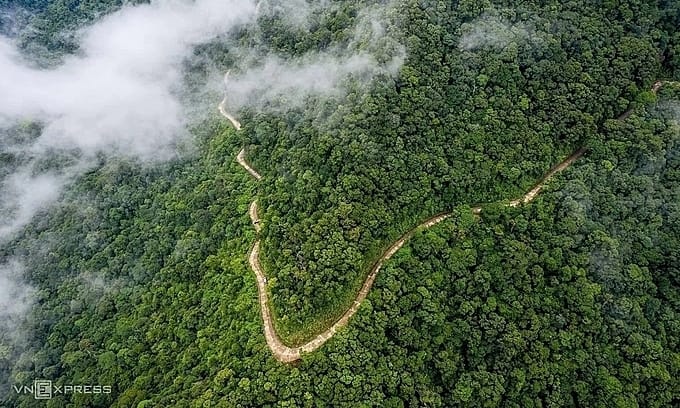
Central Vietnam can play several roles in a birding itinerary. It can connect coastal forest, central forest habitats, mountain routes, limestone landscapes, and primate conservation stories. Sites such as Son Tra, Bach Ma, Phong Nha-Ke Bang, and other central landscapes may be included depending on the route goal.
For birders, Central Vietnam is often most useful as part of a broader route rather than a short standalone first trip. It can help connect South and North Vietnam or support specialist journeys that combine birds, primates, forest habitats, and cultural landscapes.

Best for:
- Birders planning a longer Vietnam route;
- Travelers combining wildlife and Central Vietnam travel;
- Forest and coastal habitat contrast;
- Route expansion beyond the South;
- Birders interested in conservation-sensitive landscapes.
Field reality:
Central Vietnam birding should be planned carefully. Some areas are better treated at a route level rather than promoted with overly specific micro-location details. Access, weather, and conservation sensitivity should shape how content and itineraries are designed.
North Vietnam – Cuc Phuong, Tam Dao, Xuan Thuy and the Hanoi region
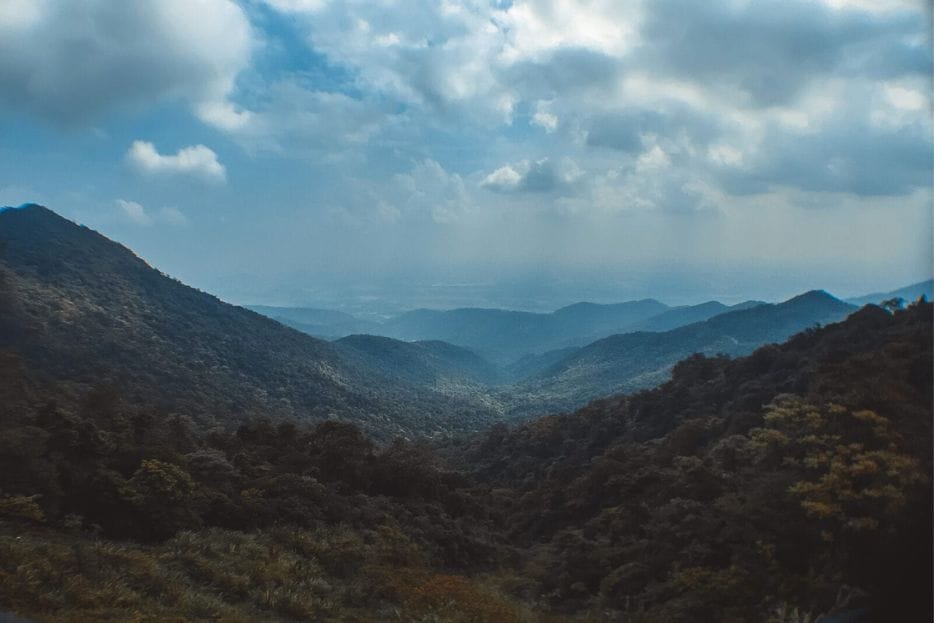
North Vietnam offers a different birding story. Around Hanoi and the wider northern region, birders may consider limestone forest, wetlands, montane areas, and protected areas such as Cuc Phuong, Tam Dao, Xuan Thuy, and other sites depending on route design.
This region can be useful for birders who want to extend beyond South Vietnam or build a more comprehensive Vietnam birding journey. Northern sites may also appeal to travelers based in Hanoi who want short birding extensions.


Best for:
- Birding near Hanoi;
- Limestone forest and wetland birding;
- Northern route extensions;
- Comprehensive Vietnam birding itineraries;
- Birders interested in Xuan Thuy and migratory wetland context.
Field reality:
North Vietnam should not be treated as a single birding site. It is a cluster of different habitats, travel times, access conditions, and seasonal opportunities. A good northern route should be designed by target, season, and logistics.
Which birding region should you choose?
| 🌟Your goal | 📍Best region | ⁉️Why |
|---|---|---|
| First birding trip in Vietnam | Cat Tien + Da Lat | Strong lowland and highland contrast, practical southern route |
| Lowland forest birds | Cat Tien / Ma Da | Southern lowland forest access and forest birding rhythm |
| Highland specialties | Da Lat / Bidoup / Di Linh | Montane habitats and endemic-rich birding context |
| Wetland and waterbirds | Mekong Wetlands / Xuan Thuy | Seasonal wetland birding and migratory context |
| Bird photography | Cat Tien / Da Lat / selected hides | Better route design for light, hides, patience and target opportunities |
| Short birding near Ho Chi Minh City | Ma Da / Can Gio / Cat Tien extension | Practical access from the city depending on time available |
| Comprehensive birding | South + Central + North | Multiple habitats and regions needed |
| Slow nature and birding together | Mekong / Cat Tien / Wild Harmony routes | Less checklist pressure, more interpretation and conservation story |
How many days do you need for birdwatching in Vietnam?
| ⌚Time available | ✅Best fit | 🐦What it can do | ⚠️Limitation |
|---|---|---|---|
| 1 day | Short birding near a city | Ma Da, Can Gio, or selected local birding depending on location | Limited depth and species coverage |
| 3–4 days | First forest birding experience | Cat Tien or one focused site | Limited habitat contrast |
| 5–8 days | Strong regional birding route | Cat Tien + Da Lat/Bidoup or South Vietnam focus | Needs clear target priorities |
| 8–12 days | Serious South Vietnam birding | Lowland + highland + possible wetland/extension | More intense schedule |
| 14–18 days | South + Central or selected broader route | More habitat coverage and target planning | Higher cost and complexity |
| 20–25+ days | Vietnam Birding Grand Tour | Multi-region birding across Vietnam | Best for serious birders only |
Best season for birdwatching in Vietnam
There is no single best season for all birdwatching in Vietnam. The right timing depends on region, habitat, target species, migration, and comfort.
In general, many birders prefer cooler and drier periods for forest access, walking comfort, and overall field conditions. Wetlands and migratory birds require more site-specific timing. Highland areas may have fog, rain, or changing access. Photography depends on light, target behavior, and hide conditions rather than season alone.
| 🌟Birding goal | 🌤️Season logic | 📝Planning note |
|---|---|---|
| General forest birding | Often easier in cooler/drier periods | Good for first birding routes and comfort |
| Highland birding | Depends on mountain weather, fog, rain and access | Build flexibility into the route |
| Wetland birding | Strongly seasonal with water level and migration | Ask for site-specific timing |
| Bird photography | Depends on light, hides, behavior, and patience | Do not choose only by checklist season |
| Grand birding route | Needs multi-region planning | Balance targets, weather and logistics |
Responsible birdwatching in Vietnam
Responsible birding is essential in Vietnam because many sites are sensitive, forest birds can be shy, and some species or locations may be vulnerable to disturbance.
A responsible birding approach should include:
- No guaranteed sightings language;
- Careful and limited use of playback, where appropriate and legal;
- No pressure on nests, roosts, or sensitive sites;
- No habitat damage for better views or photos;
- No sharing of sensitive micro-locations publicly;
- Respect for protected area rules and local guides;
- Small-group field behavior;
- Honest expectation setting before the trip.


![Itinerary - The guide and our customers in [1-Day] Birding near Ho Chi Minh City, Discover Can Gio Birds.](https://wanee.asia/wp-content/uploads/2025/06/1-Day-Can-Gio-1-600x800.jpg "Best Places for Birdwatching in Vietnam 21")
For WANEE, birdwatching should not be only about seeing more species. It should also help guests understand habitats, conservation, and the discipline of watching without causing harm.
How WANEE designs birding routes
WANEE’s Go-WILD birding routes should be designed around field logic, not just a list of places. A good birding route asks:
- What habitats does the guest need?
- Which target groups are realistic for the season?
- How many early mornings are available?
- Is the guest a beginner, serious birder, or photographer?
- Does the route include enough time at each site?
- Are the expectations honest?
- Are sensitive birds and habitats protected?
For example, a South Vietnam birding route may combine Cat Tien’s lowland forest with Da Lat and Bidoup’s highland habitats. This creates a stronger birding sequence than visiting disconnected sites without habitat logic.
Suggested Go-WILD birding journeys
Cat Tien Birdwatching
Best for travelers with limited time or those starting from Ho Chi Minh City. This is a strong introduction to lowland forest birding and can work as part of a broader wildlife journey.
South Vietnam Birding
Best for birders who want a focused route combining lowland forest and highland birding, usually with Cat Tien, Da Lat, Bidoup, Di Linh, or related sites depending on access and targets.
South Vietnam Bird Photography
Best for photographers who need a route designed around light, hides, target opportunities, and patient sessions rather than fast checklist-style movement.
Mekong Wetland Birding
Best for waterbirds, wetlands, mangroves, seasonal birding, and slower Wild Harmony-style interpretation.
Vietnam Birding Grand Tour
Best for serious birders who want broader habitat coverage across South, Central and North Vietnam. This requires more time, stronger target planning, and realistic expectations.
Tell us your travel dates, target birds or bird groups, birding experience, preferred pace, and available days. We will help you design a Go-WILD realistic Vietnam birding route based on habitat, season, target species, and travel style.
FAQ
There is no single best place for every birder. Cat Tien is excellent for a first lowland forest birding experience, Da Lat and Bidoup are important for highland specialties, Mekong and northern wetlands are valuable for waterbirds, and a full Vietnam birding route may combine several regions.
Yes. Cat Tien is one of the strongest starting points for birdwatching in southern Vietnam, especially for lowland forest birds and travelers beginning from Ho Chi Minh City. It works well as a 3–4 day birding focus or as part of a longer South Vietnam route.
Yes. Da Lat, Bidoup, Di Linh, and nearby highland areas are important for montane birds, highland specialties, and habitat contrast with lowland forest sites such as Cat Tien.
For many birders, a route combining Cat Tien and the Da Lat Plateau is a strong foundation. It connects lowland forest and highland forest, giving better habitat coverage than a single-site trip.
A focused first birding trip can work in 3–4 days at one key site such as Cat Tien. A stronger South Vietnam birding route usually needs 5–10 days. A comprehensive Vietnam birding journey may require 18–25 days or more.
The best season depends on region, target birds, and habitat. Many forest birding routes are more comfortable in cooler and drier periods, while wetlands and migratory birds require site-specific timing. A detailed route should be planned around your targets and travel dates.
Yes. Beginners can enjoy birdwatching in Vietnam if the route is designed with the right pace and expectations. Cat Tien, wetlands, and Wild Harmony-style birding can be good starting points. Serious birding routes may be more intense.
Endemic and near-endemic birding is often linked to highland and specialized habitats, especially around the Da Lat Plateau and other regional birding sites.
No. Bird sightings should never be guaranteed. A good birding guide improves your chances through timing, habitat knowledge, route design, and field skill, but birds remain wild and conditions can change.
Choose South Vietnam if you want a strong focused route with lowland and highland habitat contrast. Choose a full Vietnam birding tour if you are a serious birder with enough time to cover multiple regions, habitats, and target groups.
Knowldege Links
Vietnam Wildlife Tours: What to Expect Before You Book: “best places for birdwatching in Vietnam”
How to Choose a Wildlife Tour in Vietnam: “choose the right birding region”
Vietnam Wildlife Watching Tours: “birdwatching in Vietnam”
Birds of Vietnam: “where to go birdwatching in Vietnam”