
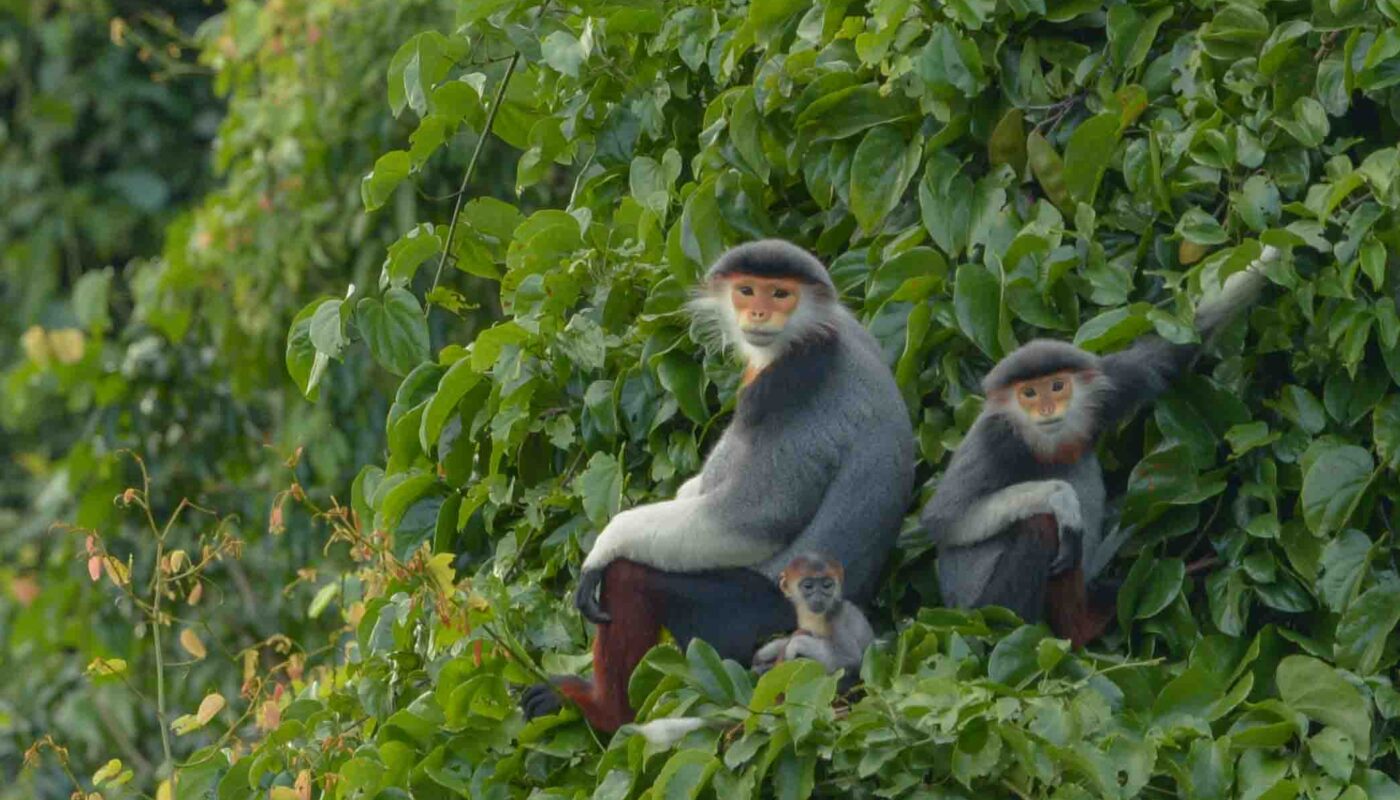
Vietnam is a unique destination for wildlife enthusiasts, particularly for those interested in primate tours. The country is home to a rich diversity of primate species (25 species), many of which are endemic to the region. This makes Vietnam primate tours an appealing option for birders and nature travelers alike. From the lush rainforests to the mountainous terrains, Vietnam offers a variety of habitats that support these fascinating creatures.
As you explore Vietnam, you will encounter various primates, including gibbons, langurs, macaques, and lorises. These animals are not just a sight to behold; they play a vital role in the ecosystem. Observing them in their natural habitat can deepen your appreciation for wildlife and conservation efforts. The experience can be both calming and enlightening, as you listen to the calls of gibbons echoing through the canopy and feel the humid air surrounding you.
In this guide, we will cover essential information for planning your primate-watching trip in Vietnam. You will learn about the best times to visit, key habitats, unique encounters, and practical tips for your journey. Our aim is to help you prepare for a respectful and enjoyable experience in the wild.
About Vietnam Primate Tours
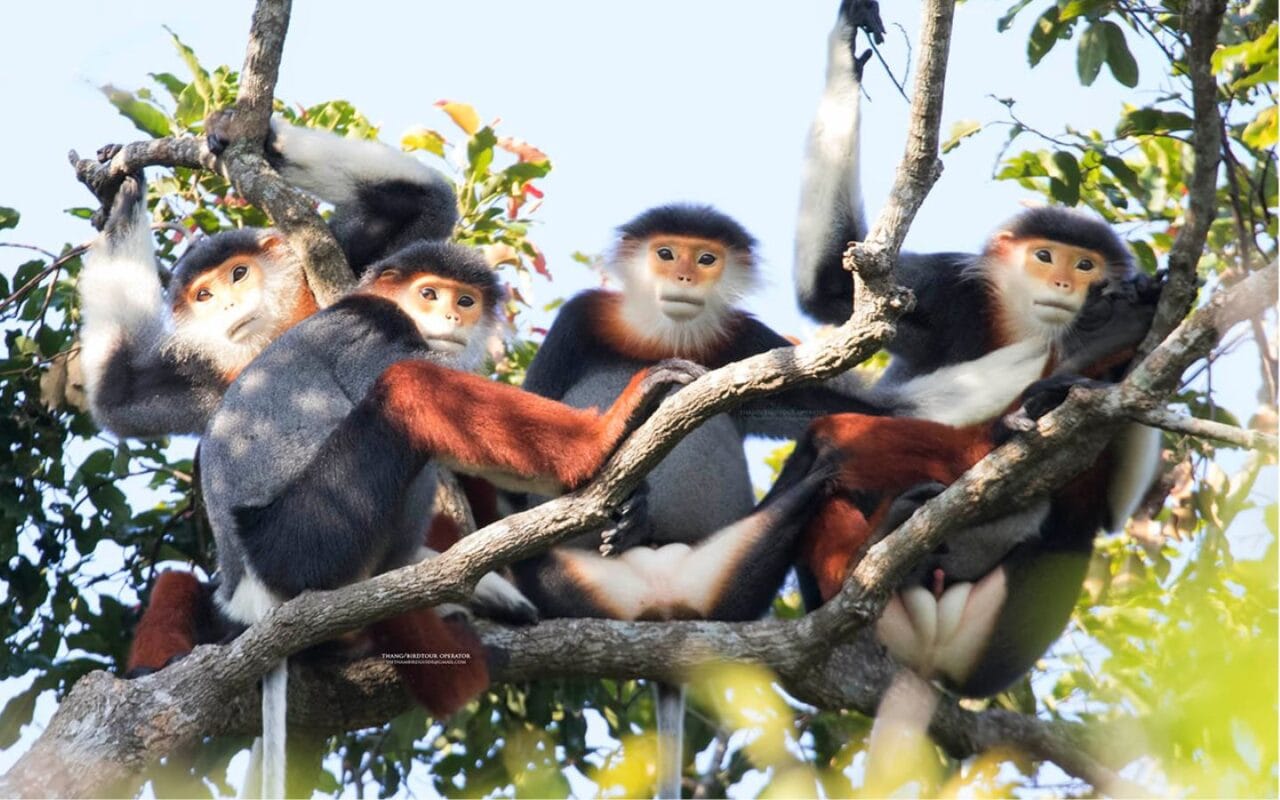
Vietnam offers a unique opportunity to observe primates in their natural environments. The country is home to several species, including the critically endangered Tonkin snub-nosed monkey, Delacour’s Langur, Grey-shanked Douc and various gibbon species. These primates inhabit diverse ecosystems, from tropical rainforests to limestone mountains.
Joining Vietnam primate tours gives you the chance to observe these animals in their natural environment while also supporting conservation efforts. With the guidance of local experts who understand the habitats and behaviors of primates, your experience will be enriched with deeper knowledge and a greater appreciation of the wildlife.
As you prepare for your tour, consider the importance of ethical wildlife watching. Maintaining a respectful distance from the animals ensures their safety and well-being. By choosing responsible tour operators, you can support conservation efforts and promote sustainable tourism in the region.
Field tip: Research local guides and their conservation practices before booking your tour.
Ethics: Always keep a respectful distance from wildlife to minimize stress on the animals.

Best Time to Visit for Primate Watching
The best time to visit Vietnam for primate watching largely depends on the region and the species you wish to observe. Generally, the dry season, which runs from December to April, is ideal for wildlife viewing. During this time, the weather is cooler and less humid, making it more comfortable for both you and the animals.
In the northern regions, such as in the two provinces Ha Giang and Tuyen Quang, you may find the Tonkin snub-nosed monkey more active during the cooler months. In contrast, Cat Tien National Park in the south is best explored in the dry season when the trails are easier to access, and visitors also have the chance to see the Black-shanked Douc.
Primates are usually most active in the early morning and late afternoon, so planning your trips around these times will give you a better chance of seeing them. It’s also a good idea to check the local calendar before you go, since festivals or holidays can sometimes influence wildlife behavior.
Field tip: Plan your visits early in the morning or late in the afternoon for the best chances of seeing primates.
Ethics: Avoid disturbing primates during their active hours; observe quietly from a distance.
Key Primate Habitats in Vietnam
Vietnam’s rich ecosystems provide vital habitats for many primate species, and understanding these environments can make your primate-watching experience even more rewarding. Notable habitats include the tropical rainforests of the Central Highlands and the limestone forests of northern Vietnam.
In the Central Highlands, especially around Bidoup-Nui Ba Np, you’ll find several species of gibbons and macaques. These forests, with their towering trees and thick undergrowth, create an ideal setting for wildlife. The echoing calls of gibbons through the canopy add to the tranquil atmosphere, drawing you to venture further into the forest.
In northern Vietnam, Van Long Wetland Nature Reserve is recognized as an important habitat for the critically endangered and endemic Delacour’s langur. Unlike forested areas, Van Long is characterized by expansive wetlands surrounded by impressive limestone karsts, creating a unique landscape that provides shelter and feeding grounds for this rare primate. The combination of wetlands and karst formations not only underlines Van Long’s significance for primate conservation but also makes it a remarkable destination for anyone interested in Vietnam’s natural heritage.
Field tip: Familiarize yourself with the specific habitats of the primates you wish to see before your trip.
Ethics: Stay on designated trails to protect the fragile habitats of these primates.
Vietnam’s Unique Primate Encounters
Vietnam offers unique opportunities to encounter primates in ways that are both exciting and educational. Each region has its own highlights, giving you the chance to see different species in their natural settings. Among them, gibbons stand out as they swing gracefully through the trees, their calls resonating across the forest.
A visit to Cat Tien National Park may bring you face-to-face with the endangered southern yellow-cheeked gibbon. Famous for their far-reaching vocalizations, these primates are especially captivating when observed in the early morning light, moving effortlessly through the canopy—a moment that leaves a lasting impression.
In addition to gibbons, you may encounter various macaque species throughout Vietnam. These adaptable primates are often found in more urban settings, where they can be seen foraging for food. While they may be less shy than gibbons, it’s important to maintain a respectful distance to avoid causing them stress.
Field tip: Bring binoculars to enhance your viewing experience and observe primates from a distance.
Ethics: Do not feed or attempt to interact with wild primates; this can harm their natural behaviors.

Planning Your Primate-Watching Trip
Planning a primate-watching trip in Vietnam involves more than just picking a destination—it’s about matching your interests with the right regions and experiences. A good place to start is deciding which species you hope to see and then researching the best times of year for sightings, as well as local tour operators that follow ethical practices.
It’s also worth thinking about your travel style. Guided tours can enrich your journey with expert knowledge and improve your chances of spotting wildlife, while self-guided adventures offer more flexibility if you’re comfortable navigating with maps and local trails.
When it comes to accommodations, options range from simple guesthouses to comfortable lodges. Choosing the right place depends on your budget and how close you want to be to key habitats. To avoid last-minute hassles, it’s a good idea to secure your booking early, especially during peak travel seasons.
Field tip: Create a flexible itinerary that allows for spontaneous wildlife encounters.
Ethics: Support local communities by choosing accommodations that contribute to conservation efforts.
Where to Stay During Your Tour
Choosing the right accommodation can enhance your primate-watching experience. Many areas near key habitats offer various lodging options, from eco-lodges to budget-friendly guesthouses. Staying close to the national parks or reserves can save travel time and increase your chances of early morning sightings.
In places like Cuc Phuong National Park, consider staying at a lodge that specializes in wildlife tourism. These lodges often provide guided tours and have knowledgeable staff who can share insights about the local primate populations. Additionally, they may offer amenities that cater to nature travelers.
For those visiting Cat Tien National Park, several eco-lodges provide comfortable accommodations surrounded by nature. These lodges often focus on sustainability and conservation, allowing you to enjoy your stay while supporting local efforts.
Field tip: Look for accommodations that offer early breakfast options to maximize your wildlife viewing time.
Ethics: Choose lodgings that support conservation initiatives and respect local wildlife.
Essential Packing for Primate Tours
When preparing for your primate-watching trip in Vietnam, packing the right gear is essential. Start with comfortable, breathable clothing suitable for humid conditions. Lightweight, quick-drying fabrics are ideal, as they will keep you comfortable during long hikes.
Good footwear is crucial. Sturdy hiking boots with good traction will help you navigate uneven terrain. Consider bringing a pair of lightweight sandals for relaxing after a day of trekking.
Don’t forget essentials like binoculars for observing primates from a distance. A camera with a zoom lens can also help capture memorable moments. Additionally, pack insect repellent, sunscreen, and a reusable water bottle to stay hydrated.
Field tip: Bring a lightweight rain jacket, as sudden showers can occur in tropical climates.
Ethics: Avoid using flash photography, as it can disturb wildlife and their natural behaviors.

Frequently Asked Questions
As you prepare for your primate-watching trip in Vietnam, you may have several questions. Here are some common inquiries that can help you plan your visit.
What species can I expect to see? Vietnam is home to various primates, including gibbons, macaques, and the critically endangered Delacour’s langur. Each region offers different species, so research accordingly.
How can I ensure ethical wildlife watching? Choose responsible tour operators, maintain a respectful distance from animals, and avoid feeding them. Following these guidelines helps protect wildlife and their habitats.
What should I do if I don’t see any primates? Remember that wildlife watching can be unpredictable. Enjoy the surrounding environment and the experience of being in nature, even if you don’t spot primates.
Field tip: Prepare for your trip by reading up on local wildlife and conservation efforts.
Ethics: Be patient and respectful; wildlife sightings are not guaranteed.
Conclusion
Planning a primate-watching trip in Vietnam requires careful consideration of timing, habitats, and ethical practices. By understanding the best times to visit and key locations, you can enhance your chances of observing these fascinating creatures. Choosing the right accommodations and packing essential gear will further prepare you for your adventure.
As you embark on your journey, remember the importance of respecting wildlife and their habitats. With thoughtful planning and a calm approach, you can enjoy a rewarding experience in Vietnam’s rich natural landscapes. If you’re ready to explore, consider planning a quiet, field-tested trip with our team.