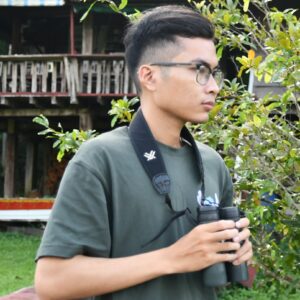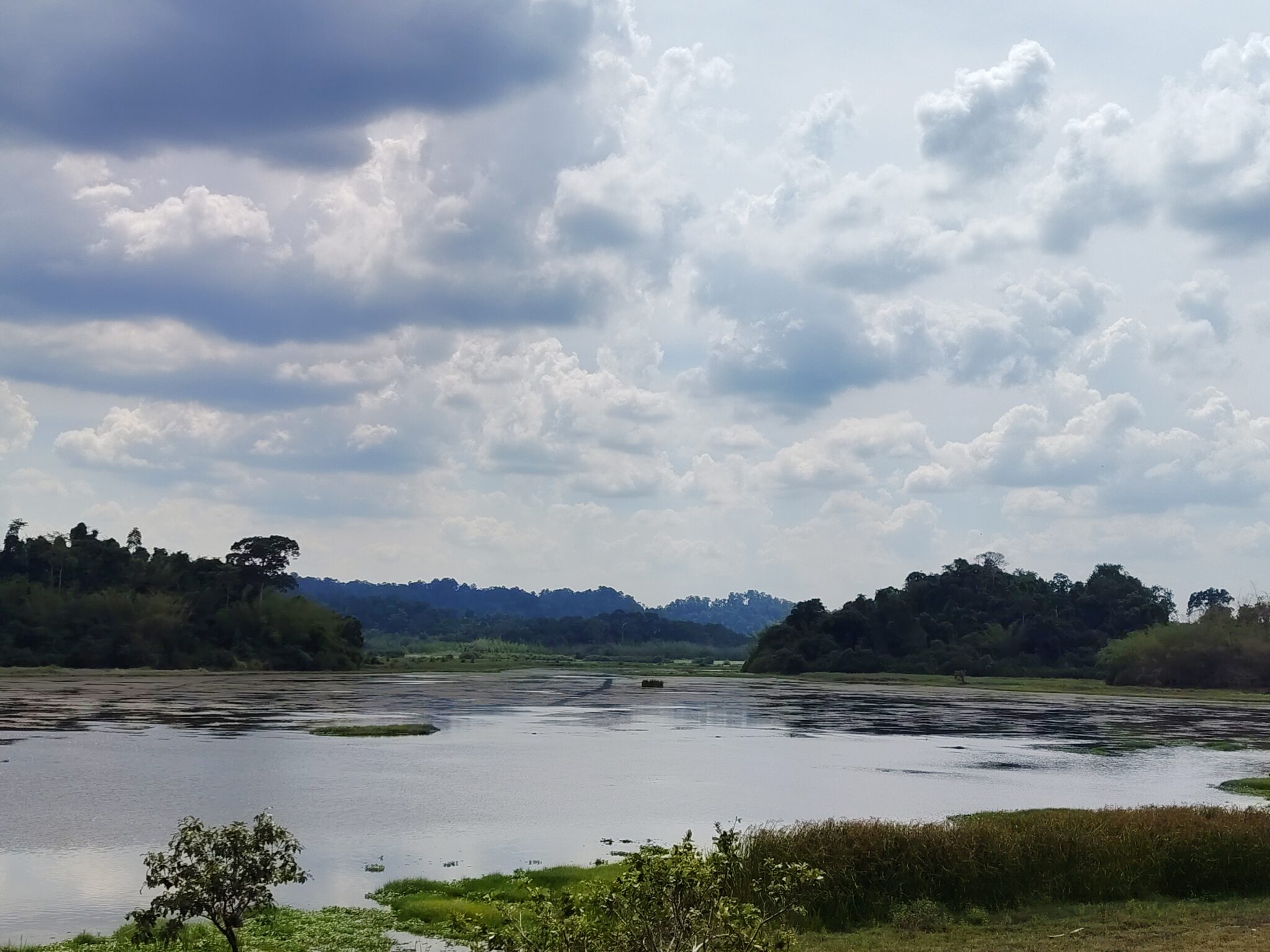

The pulse of Vietnam’s wilderness does not follow a tourist’s clock; it follows the biological dictates of light, temperature, and habitat. A successful day in the field is not built by filling every available hour with activity, but by strategic alignment with these natural rhythms. From the lowland broadleaf forests of Cat Tien National Park to the misty Da Lat highlands, the most rewarding journeys remain flexible—starting early when the forest is vocal, slowing down when the sun is at its peak, and focusing on the quality of the encounter rather than the length of a checklist.
A Mixed Wildlife Day is Not a Fixed Formula
Vietnam’s premier wildlife destinations offer the chance to encounter birds, primates, mammals, and rare invertebrates within a single journey. However, a productive day is not a rigid sequence of events. In practice, timing must shift based on the season, the target species, and the observers’ stamina. A mixed day is best designed around these variables rather than a universal timetable, ensuring the experience remains focused on observation rather than exhaustion.

The Day Begins Early—But With Purpose
Wildlife journeys typically begin before sunrise because the cooler temperatures and early light trigger a surge in bird vocalizations and primate movement. However, an exact 05:00 departure is not a mandatory rule. A tactical start time is adjusted based on the distance to the habitat and whether the priority is the first light of the “dawn chorus” or the “golden hour” light required for clean photography.
Understanding Different Rhythms
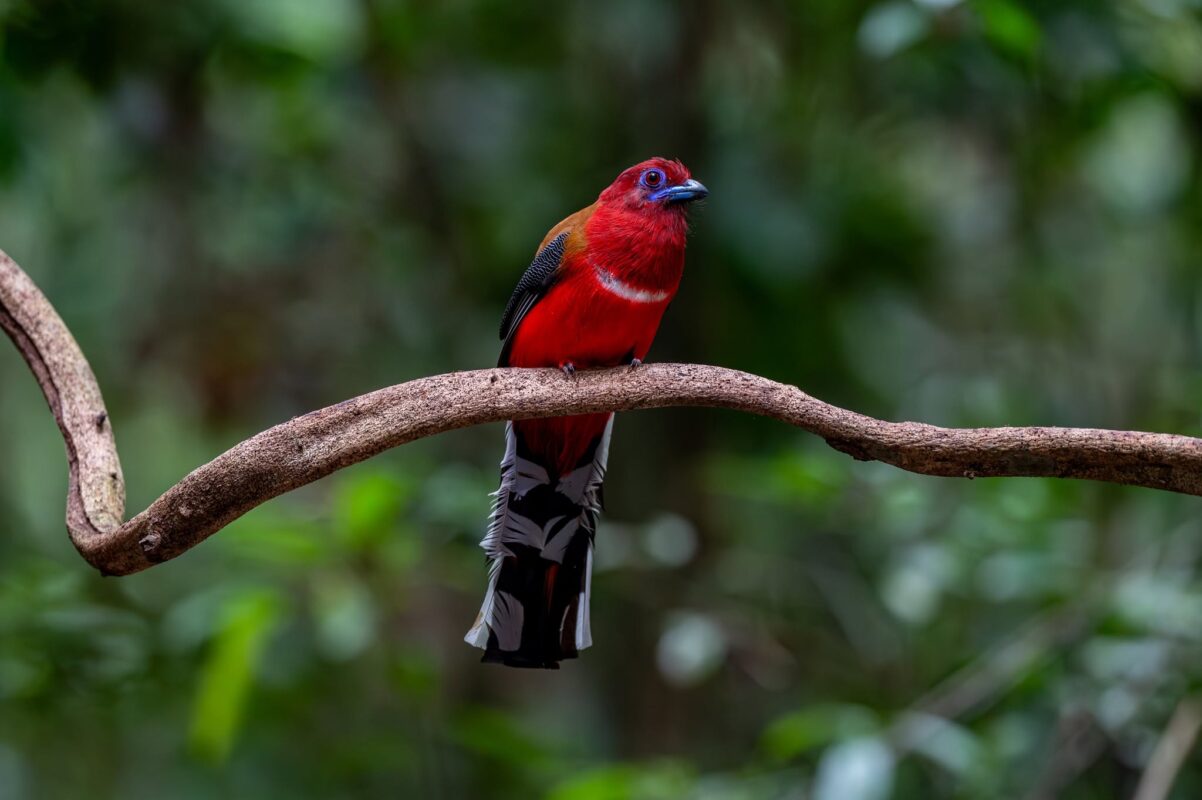
Birds: The morning hours are the primary window for detecting secretive species by sound before the heat of the day—and the cicadas—becomes overwhelming. This is the best time to locate mixed-species flocks as they begin active feeding. For species like the Red-headed Trogon (Harpactes erythrocephalus), which often remains motionless for long periods, a guide’s trained eye is essential to spot them in the mid-story.
Primates: Primate activity varies wildly with the weather. Territorial calls of Southern Yellow-cheeked Gibbons often coincide with the first shafts of sunlight reaching the canopy, typically between 05:45 and 06:00. During heavy rain or strong winds, these groups often retreat deep into the foliage, making them significantly harder to observe.
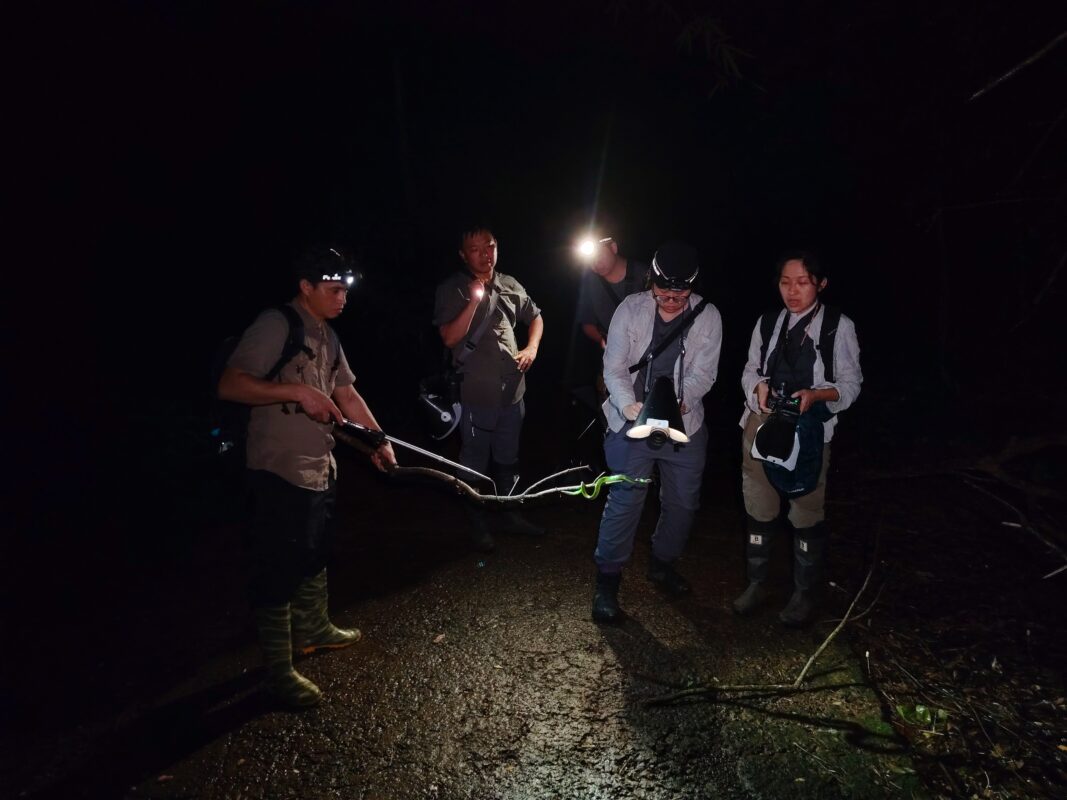
Nocturnal Wildlife: As light fades around 18:30, the forest undergoes a “second shift.” Night walks can reveal a world of frogs, geckos, and birds like the Great Eared-nightjar (Lyncornis macrotis), often detected by its distinct whistle given from a perch or in flight. However, a night walk is an addition, not a requirement, and its success depends heavily on humidity and rainfall.
[Image Suggestion: A photo of a Great Eared-nightjar camouflaged on the forest floor or a bright green tree frog on a wet leaf to show the “second shift” of the forest.]


Morning Activity Follows the Main Priority
When interests span several wildlife groups, the strongest results come from prioritizing one over the other rather than dividing time equally. Equal time rarely produces equal value because habitat transfers consume time and different species require different observation methods. The plan must remain focused on the guest’s highest priority—whether that is rare primates or highland endemics—without ignoring the biological realities of the species.
Midday is Not Automatically Wasted Time
In tropical environments, the middle of the day is an essential window for recovery. Peak heat often creates a natural lull in wildlife movement in the lowlands. This period allows guests to rehydrate, download photographs, and prepare equipment for the next session. While some activity continues in the cooler highlands, using midday for rest or destination transfers ensures the group is prepared for more demanding sessions later.
Rest Protects the Quality of Later Sessions
Rest should be viewed as a safeguard for quality. Fatigue directly affects observation speed, concentration, and physical balance on forest trails. A guest who has rested at midday will enjoy a late-afternoon primate session or an intensive night walk far more than someone who has been pushing since 4 AM. This is especially true for photographers carrying heavy equipment or those unaccustomed to tropical humidity.
Photography Requires a Slower Rhythm
Wildlife photography and birdwatching demand different paces. While a birder may prioritize covering more habitats to maximize species diversity, a photographer requires a slower rhythm. Success for a photographer depends on fewer targets, cleaner backgrounds, and longer waiting periods for usable light. Carrying heavy telephoto gear increases fatigue, necessitating shorter routes but longer stationary periods.


Afternoon Sessions Should Not Be Automatic
Late afternoon offers cooler conditions, but the choice of activity should depend on the results of the morning. Options may range from wetland observation to forest-edge birding or a lighter route for recovery. A guide must decide if the group’s energy levels and the weather support an intensive session or if rest before a night walk is the more strategic choice.
When a Night Walk Should Be Removed
A night walk adds depth, but it is the first activity to be scaled back if conditions are not favorable. Cancellation is often the correct field decision if guests are visibly fatigued, if heavy rain creates safety risks, or if the target species are seasonally inactive. Pushing through a session only because it appears on an itinerary often results in poor concentration and reduced observation quality.
Signs of Overload and the Art of Field Prioritization
A wildlife day is becoming overloaded not by the clock, but by the physical and mental state of the observers. A guide watches for signs of heat stress, reduced concentration, irritability, and poor footing; when guests struggle to locate wildlife even after clear directions, the day must be adjusted before fatigue becomes a safety problem.
Adapting the route is essential, especially for older travelers or those with varying physical abilities. This does not remove the journey’s value; it refines it. Modifications such as utilizing flat roads instead of steep trails, vehicle-supported observation, or spending more time at a single productive location allow every guest to participate fully. A diverse day offers contrast—an early forest session followed by proper rest and a calm afternoon encounter—whereas an overloaded day attempts to maximize every category, often producing rushed sightings and exhausted guests. Ultimately, the guide’s role is to prioritize what deserves the group’s time based on species activity and habitat conditions, even if that means deliberately excluding an activity to protect the overall experience.

The Lasting Impact: Quality Encounters and Realistic Expectations
One quality encounter can define an entire journey. A long checklist does not represent a better experience; instead, a truly meaningful encounter might be watching a primate family feed undisturbed for twenty minutes or witnessing the natural behavior of a Blue-rumped Pitta (Hydrornis soror) as it emerges from the dark shadows of the understory. These moments require time and stillness, both of which are easily lost when rushing to the next scheduled activity.
Travelers should hold realistic expectations: Vietnam’s wildlife is free-ranging and unpredictable, meaning not every day will include every animal group, and plans may change with the weather. Every journey follows a strict “wildlife-first” policy—no chasing, no forced encounters, and minimal playback, especially during sensitive breeding seasons. We treat the forest as the animals’ home where we are merely respectful guests. A mixed wildlife day should be judged not by how many sessions were completed, but by the quality of the encounters that remain. When an itinerary respects both the biological clocks of the animals and the physical rhythms of the travelers, the result is a deeper, more meaningful connection to Vietnam’s wild landscapes.

Discover a Diverse Wildlife Experience in Vietnam
Every wildlife journey moves at a different rhythm. Some moments call for patient observation, while others invite you to explore a new habitat, follow a different trail, or simply slow down and let nature unfold. With Go-WILD, you can build a wildlife experience around your interests, preferred pace, target species, and the habitats you want to discover.
If you are ready to experience Vietnam’s diverse wildlife through a thoughtfully paced journey, explore our Explore Southern Vietnam Birding Tours and discover how different landscapes, species, and rhythms can come together in one unforgettable wildlife experience. And if you’d like some extra support in planning a smooth, well-guided trip, our team at WANEE is here to help you make it an unforgettable birding experience.