

Vietnam can be a rewarding bird photography destination for photographers who understand forest light, patience, hides, distance, ethical field practice and realistic expectations. The strongest bird photography routes often combine lowland forest sites such as Cat Tien with highland habitats around Da Lat, Di Linh and Bidoup, and sometimes wetland or coastal extensions depending on the season and target species.
Bird photography in Vietnam is not the same as general birdwatching. A birding tour may move quickly to find and identify more species. A bird photography tour should be designed around light, background, distance, target behavior, time in hides or patient field sessions, and ethical standards that avoid pressuring birds.

If your main goal is high-quality images rather than a long checklist, you should choose a photo-focused itinerary, not simply join a fast-moving birding route.
Why Vietnam is interesting for bird photography
Vietnam is interesting for bird photography because of its habitat diversity and distinctive bird communities. A well-planned route can include lowland evergreen forest, highland forest, pine and broadleaf transitions, forest edges, wetlands, mangroves and coastal habitats. Each habitat creates different photographic conditions.
For bird photographers, this means Vietnam is less about a single famous site and more about a sequence of opportunities. Cat Tien may offer lowland forest bird photography, forest-floor birds, hides or patient waiting sessions. Da Lat and nearby highland areas may offer montane specialties and different light conditions. Wetlands can provide more open views and waterbird opportunities. Central and northern routes may add further target species and habitat contrast for longer trips.


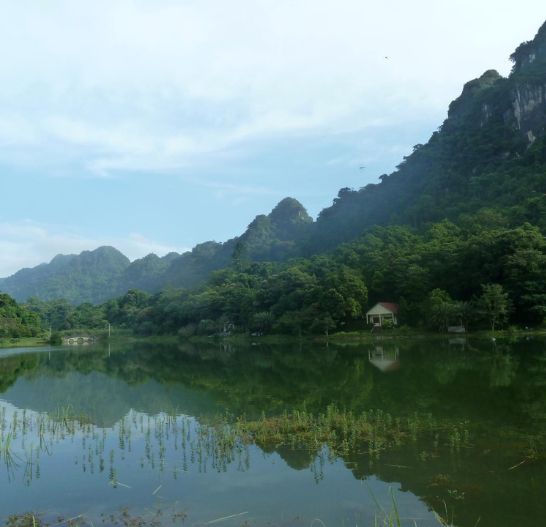
The reward is real, but so are the constraints. Forest bird photography in Vietnam often means low light, dense vegetation, shy birds, changing access, long waiting periods and missed chances. A good route must be honest about this from the beginning.
Bird photography vs birdwatching in Vietnam
Bird photography and birdwatching overlap, but they are different products. This distinction is essential for travelers choosing the right Go-WILD journey.
Birdwatching usually aims to find, identify and understand birds across habitats. It may involve moving between sites, listening for calls, scanning mixed flocks, and covering many target species in a limited time.
Bird photography usually needs a slower rhythm. Instead of chasing many species, photographers often need to wait for light, position, background and behavior. Sometimes the best photography session may focus on one or two target birds rather than a long list.
| ✨Goal | 🐦Better tour style | 🌳Field rhythm | ✅Trade-off |
|---|---|---|---|
| See more species | Birdwatching route | More movement, habitat coverage, early starts | Fewer chances for strong images |
| Photograph target birds | Bird photography route | Slower sessions, patience, hides or repeated attempts | Fewer total species |
| Photograph forest-floor birds | Hide or patient waiting session | Long waiting, low light, quiet behavior | No guarantee target appears |
| Photograph highland specialties | Photo-focused highland route | Early starts, roadsides, forest edges, selective waiting | Weather and access can affect results |
| Combine birds and wildlife | Mixed wildlife photography | Broader nature opportunities | Less specialized for birds |
If your main goal is photography, tell the operator clearly. A general birding guide and a bird photography guide may make different decisions in the field.
Where to photograph birds in Vietnam
Vietnam bird photography should be planned by habitat and region. Below are the main zones that can support a bird photography route. Public content should avoid revealing exact hide locations, nest sites, roosts, feeding stations or sensitive micro-locations.
| 📍Region / Site | ✨Best for bird photography | 🌳Field reality | 👍Suggested role in route |
| Cat Tien National Park | Lowland forest birds, forest-floor targets, pittas, peacock-pheasant context, broadbills, woodpeckers, night/wildlife add-ons | Low light, dense forest, patience, hides or repeated attempts may be needed | Core lowland forest photography site |
| Da Lat / Di Linh / Bidoup | Highland specialties, endemic/near-endemic interests, montane forest birds | Weather, fog, access and light can change quickly | Core highland photography site |
| Ma Da / Dong Nai / Tan Phu | Short southern forest photography extension | Useful but should not replace longer Cat Tien focus | Add-on near Ho Chi Minh City or Cat Tien route |
| Mekong wetlands / Can Gio / Go Cong / Tram Chim | Waterbirds, mangroves, open habitats, seasonal birding | Season, tide, water level and access matter | Wetland extension or softer photo route |
| Central Vietnam | Forest, coastal and specialist route extension | Sensitive sites and route planning needed | Longer route / specialist targets |
| North Vietnam | Limestone forest, wetlands and northern route extensions | Best for longer or specialist trips | Grand route / target-based planning |
For many photographers, a strong first route is South Vietnam: Cat Tien for lowland forest and Da Lat / Di Linh / Bidoup for highland bird photography. This creates a good habitat contrast without making the itinerary too broad.
Hides in Vietnam bird photography
Hides can be useful for bird photography when they are designed and used ethically. A good hide can reduce disturbance, help photographers remain quiet and allow birds to behave more naturally. But a hide can also become harmful if it is placed too close to sensitive birds, used around nests, operated with excessive pressure, or promoted with guaranteed target language.
For WANEE, hide-based photography should follow clear principles:
- No nest disturbance;
- No pressure on roosts or breeding sites;
- No habitat damage for cleaner backgrounds;
- No excessive playback or manipulation;
- No crowding;
- No guaranteed photo promise;
- Limited, quiet sessions;
- Guide intervention if guest behavior becomes harmful;
- Sensitive hide locations kept private.

Hide photography should be presented as a tool for responsible observation, not as a shortcut to guaranteed images.
What birds can you photograph in Vietnam?
Vietnam bird photography can include a wide range of bird groups, but public articles should avoid overclaiming specific species without source confirmation. A better approach is to describe target groups, broad habitats and photographic difficulty.
| 🐦Bird group / photo interest | ‼️Why photographers care | 🌳Field reality |
| Pittas and forest-floor birds | Iconic, colorful, highly desired images | Often need hides, patience, low-light skill and ethical behavior |
| Peacock-pheasants and pheasants | Charismatic forest targets | Sensitive; no guarantee; avoid pressure and exact location sharing |
| Broadbills and barbets | Colorful forest birds with strong visual appeal | Often canopy or mid-level; visibility varies |
| Woodpeckers and hornbills | Strong forest character and behavior | Often require listening, scanning and distance |
| Highland specialties | Distinctive Vietnam route value | Weather, access and taxonomy/status need source confirmation |
| Waterbirds and shorebirds | More open photography opportunities | Season, tide, water level and distance matter |
| Owls and night birds | Powerful storytelling and low-light challenge | Strict ethics required; no disturbance of roosts/nests |
Best time for bird photography in Vietnam
There is no single best month for bird photography across Vietnam. The right timing depends on region, habitat, target species, light, weather and whether you are using hides, forest trails, wetlands or open habitats.
In general, many photographers prefer drier and more predictable field conditions for forest access. However, rainy or humid periods may bring different wildlife activity, richer forest atmosphere and stronger herping or macro opportunities. Wetlands and shorebirds depend on seasonal water conditions, tide and migration. Highland photography depends strongly on fog, rain and light.
| 📸Photography focus | ⏱️Timing logic | 📝Planning note |
| Forest bird photography | Often easier when access and trails are more predictable | Still requires low-light skill and patience |
| Highland bird photography | Weather, fog and light can change quickly | Build backup time into the route |
| Wetland photography | Depends on water level, tide, season and distance | Plan with site-specific information |
| Hide photography | Depends on target behavior and ethical setup | Avoid guaranteed target language |
| Mixed wildlife photography | Birds, primates, herps and mammals may peak in different conditions | Choose a clear priority |
How many days do you need for bird photography in Vietnam?
Bird photography needs more time than many travelers expect. A short trip can produce rewarding images, but serious bird photography should not be rushed.
| 🗓️Trip length | ✅Best for | ‼️What it can realistically do | ⚠️Limitation |
| 1 day | Light photo session near a city | A small chance for common birds or short nature photography | Not enough for serious forest targets |
| 3 days | Cat Tien introduction | Lowland forest photography, some hides or patient sessions | Limited backup time |
| 5–8 days | Cat Tien + Da Lat / Di Linh | Stronger lowland + highland contrast | Needs clear target priority |
| 8–12 days | South Vietnam bird photography route | More patient attempts, better habitat coverage | More intense and higher cost |
| 12–15+ days | Specialist bird / primate / wildlife photography | More target planning and route flexibility | Requires strong guide and honest expectations |
| 20+ days | Vietnam birding/photo grand route | Multiple regions and broad target coverage | Best for serious photographers only |
For most photographers, 8 to 12 days is a stronger range for a South Vietnam bird photography route. If you only have 3 days, Cat Tien can work as a focused introduction, but the expectation should be realistic.
Gear for bird photography in Vietnam
Gear does not replace fieldcraft, but the right setup helps. Vietnam’s forests are often shaded, humid and visually complex. Wetlands and open habitats may require different preparation.
Useful gear:
- Camera body with good autofocus and low-light performance;
- Telephoto lens, commonly 400mm to 600mm range depending on style;
- Teleconverter only if autofocus/light remains workable;
- Rain cover for camera and lens;
- Dry bag or waterproof storage;
- Spare batteries and memory cards;
- Lightweight tripod or monopod if suitable for your style;
- Quiet clothing in neutral colors;
- Headlamp for night/morning logistics, used responsibly;
- Lens cloth and humidity protection;
- Binoculars, even for photographers.
![Tips - Bird Watching Equipment in 2022 [Everything You Need]](https://wanee.asia/wp-content/uploads/2022/10/Anh-thumbnail-bai-viet-6.jpg "Bird Photography in Vietnam: Hides, Light, Target Species and Realistic Expectations 6")
Vietnam-specific gear realities:
- Forest light can be low.
- Humidity can affect equipment.
- Rain protection matters even outside heavy rainy periods.
- A long lens helps, but patience and guide positioning matter more than lens length alone.
- Hides may be cramped, so avoid overpacking.
- Wetlands may need more reach and heat protection.
Cat Tien bird photography
Cat Tien National Park is one of the most important bird photography anchors in southern Vietnam. It is valuable because it offers lowland forest habitat, iconic forest birds and potential hide-based or patient forest-floor photography. It can also be combined with primates, night wildlife and broader Cat Tien wildlife photography.
However, Cat Tien should be framed honestly. Forest light is often low. Birds may be shy. Some targets require waiting. Some sessions may produce excellent images, while others may produce only brief views or no usable photographs.


Cat Tien is best for photographers who accept patience and understand that forest bird photography is not guaranteed.
Da Lat, Di Linh and Bidoup bird photography
The Da Lat Plateau, Di Linh and Bidoup area add highland bird photography opportunities to a southern route. This region is especially important for photographers who want Vietnam highland specialties and a different set of birds from Cat Tien.
The field reality is different from lowland forest. Weather can be cooler, foggy or rainy. Some birds may be encountered along roadsides, forest edges, montane trails or specific habitats. Light can improve or disappear quickly. Access conditions may change over time.
![Itinerary - The Blue Pitta sighted at a birding hotspot in [6-Day] Pittas Photography Tour – Cat Tien - Di Linh - Dalat.](https://wanee.asia/wp-content/uploads/2025/06/Di-linh-2.jpg "Bird Photography in Vietnam: Hides, Light, Target Species and Realistic Expectations 10")

![Itinerary - The Golden-winged Laughingthrush is foraging on the moss-covered tree branch in [14-Day] Birdwatching Tour – South & Central Highlands Vietnam.](https://wanee.asia/wp-content/uploads/2025/06/Golden-winged-Laughingthrush-1067x800.jpg "Bird Photography in Vietnam: Hides, Light, Target Species and Realistic Expectations 12")
For photographers, this means a Da Lat / Bidoup itinerary should not be too rushed. It should allow time for weather, repeated attempts and careful field decisions.
Wetland and open-habitat bird photography
Wetlands and mangroves can offer a very different bird photography experience from forest birding. Sites such as Can Gio, Go Cong, Tram Chim or other wetland landscapes may provide more open views, waterbirds, mangrove birds and seasonal opportunities.


The key factors are timing, water level, tide, season, access, distance and disturbance. Wetland photography can be easier for visibility but still requires responsible behavior and realistic expectations.
Bird photography route examples
Below are broad route types, not fixed itineraries. Actual routes should be designed by season, target species, access and guest photography style.
1️⃣Cat Tien Bird Photography Focus
Best for photographers with 3 to 4 days who want lowland forest bird photography and a practical route from Ho Chi Minh City. This can include patient sessions, hides where appropriate, forest walks and mixed wildlife context.
2️⃣South Vietnam Bird Photography Route
Best for photographers with 8 to 12 days. This route can combine Cat Tien lowland forest with Da Lat / Di Linh / Bidoup highland bird photography. It is one of the strongest first bird photography routes in Vietnam.
3️⃣Bird Photography + Primates
Best for photographers who want birds but also care about doucs, gibbons, langurs or broader wildlife. This requires a different expectation because primate photography is often affected by distance, canopy, light and behavior.
4️⃣Bird Photography + Wetlands
Best for photographers who want more open habitats, waterbirds, mangroves or seasonal wetland contexts. This can work as an extension depending on timing.
5️⃣Tailor-made Specialist Photography
Best for experienced photographers with clear target groups, flexible timing and willingness to accept misses. This should be designed carefully with ethics and local access rules.
WANEE Field Note – Photo route design
Suggested field-note angle: When guests tell us photography is the main goal, we design the route differently from a normal birding tour. Instead of trying to see as many species as possible, we slow down for light, distance, background and repeated attempts. This often means fewer total species, but better chances for meaningful images.
Common mistakes when planning bird photography in Vietnam
Mistake 1: Joining a general birding tour and expecting photo results
A birding tour may not wait long enough for strong images. Photographers should request a photo-focused route.
Mistake 2: Choosing only by species list
A species list tells you what might be possible, not what can be photographed well. Ask about distance, light, hides, time and behavior.
Mistake 3: Underestimating forest light
Vietnam’s forests can be dark. High ISO, slow shutter decisions, stabilization and patience matter.
Mistake 4: Expecting guaranteed hide success
Hides improve opportunities but do not guarantee target birds or good light.
Mistake 5: Ignoring ethics
Getting closer is not always better. Responsible distance and low disturbance are part of professional wildlife photography.
Mistake 6: Trying to photograph too many regions too quickly
Good bird photography often improves when the route is slower and more focused.
Field behavior for bird photographers
Bird photographers can unintentionally create pressure on wildlife if they prioritize the image above the bird. A responsible bird photography trip must include clear field behavior standards.
WANEE’s recommended field behavior should include:
- Move slowly and quietly;
- Follow the guide’s instructions;
- Keep appropriate distance;
- Do not chase birds for a better angle;
- Do not pressure nests, roosts or feeding areas;
- Avoid repeated flash or light disturbance where inappropriate;
- Do not clear vegetation for a cleaner shot;
- Keep hide sessions quiet and limited;
- Accept missed shots as part of ethical photography;
- Never ask guides to break park rules for a photo.
The best wildlife image is not only sharp. It should also be made without causing harm.
Need citation: Add responsible wildlife photography and ethical birding references before publication.
Who should choose a bird photography tour in Vietnam?
✨Choose a bird photography route if you:
- Care more about image opportunities than total species count;
- Are comfortable waiting;
- Understand forest light and missed chances;
- Want a route designed around targets, light and habitat;
- Are willing to follow ethical field rules;
- Want to combine Cat Tien and Da Lat / Bidoup for stronger habitat contrast.
✨Choose a general birdwatching route instead if you:
- Want a longer checklist;
- Prefer to move quickly between habitats;
- Do not want to wait in hides or repeated sessions;
- Want identification more than images.
✨Choose a Wild Harmony or general wildlife route if you:
- Want birds as part of a broader nature experience;
- Prefer a softer pace;
- Care about interpretation more than target photos.
Planning a bird photography trip in Vietnam? Tell us your travel dates, photography goals, target bird groups, camera/lens setup, preferred pace and available days. WANEE can help design a realistic bird photography route around habitat, light, season and ethical field practice.
FAQ
Yes, Vietnam can be rewarding for bird photography, especially for photographers interested in forest birds, highland specialties, wetlands and Southeast Asian birdlife. However, forest light, shy birds and changing conditions mean that realistic expectations are essential.
There is no single best place for every photographer. Cat Tien is important for lowland forest bird photography, while Da Lat / Di Linh / Bidoup are important for highland specialties. Wetlands and mangroves can add more open photography opportunities.
Yes, Cat Tien is one of the strongest lowland forest bird photography sites in southern Vietnam. It can be good for forest-floor birds, hides, mixed wildlife and lowland forest atmosphere, but patience and low-light skills are important.
Yes. Da Lat and nearby highland habitats can be good for highland bird photography and Vietnam specialty targets. Weather, access, light and patience all matter.
Not always, but hides can help for some forest birds when used ethically. Hides should never be used to disturb nests, roosts or sensitive birds, and they should not be promoted with guaranteed photo claims.
Many photographers use lenses in the 400mm to 600mm range, but lens choice depends on style, habitat and camera system. In forests, low-light performance, stability and patience matter as much as reach.
The best season depends on destination and target birds. Forest access and comfort are often easier in drier periods, while wetlands, highlands and specific targets need site-specific timing. A route should be planned around your dates and goals.
No. Bird photography should never be guaranteed. A good route improves opportunities through timing, habitat knowledge, local guiding, patience and ethical field practice, but birds remain wild.
Yes, but the route and expectations must be designed carefully. Primate photography often involves distance, canopy, difficult light and animal behavior that cannot be controlled. It should not be treated like a guaranteed add-on.
Choose a birding tour if your goal is to see and identify more species. Choose a bird photography tour if your goal is better image opportunities, slower sessions, hides, light and patience.
Knowledge Links
- How to Choose a Wildlife Tour in Vietnam: “bird photography tour in Vietnam”
- Best Places for Birdwatching in Vietnam: “bird photography in Cat Tien and Da Lat”
- Birdwatching in Cat Tien National Park: “Cat Tien bird photography”
- Birding in Da Lat Plateau and Bidoup: “highland bird photography”
- Vietnam Wildlife Tours: What to Expect: “wildlife photography in Vietnam”