

Cat Tien National Park is widely known for its primates and birds, but Cat Tien reptiles are often the wildlife group visitors encounter most frequently and remember most vividly. Thanks to the park’s lowland evergreen forest, rivers, wetlands, and warm tropical climate, reptiles are active year-round and often visible even during short visits.
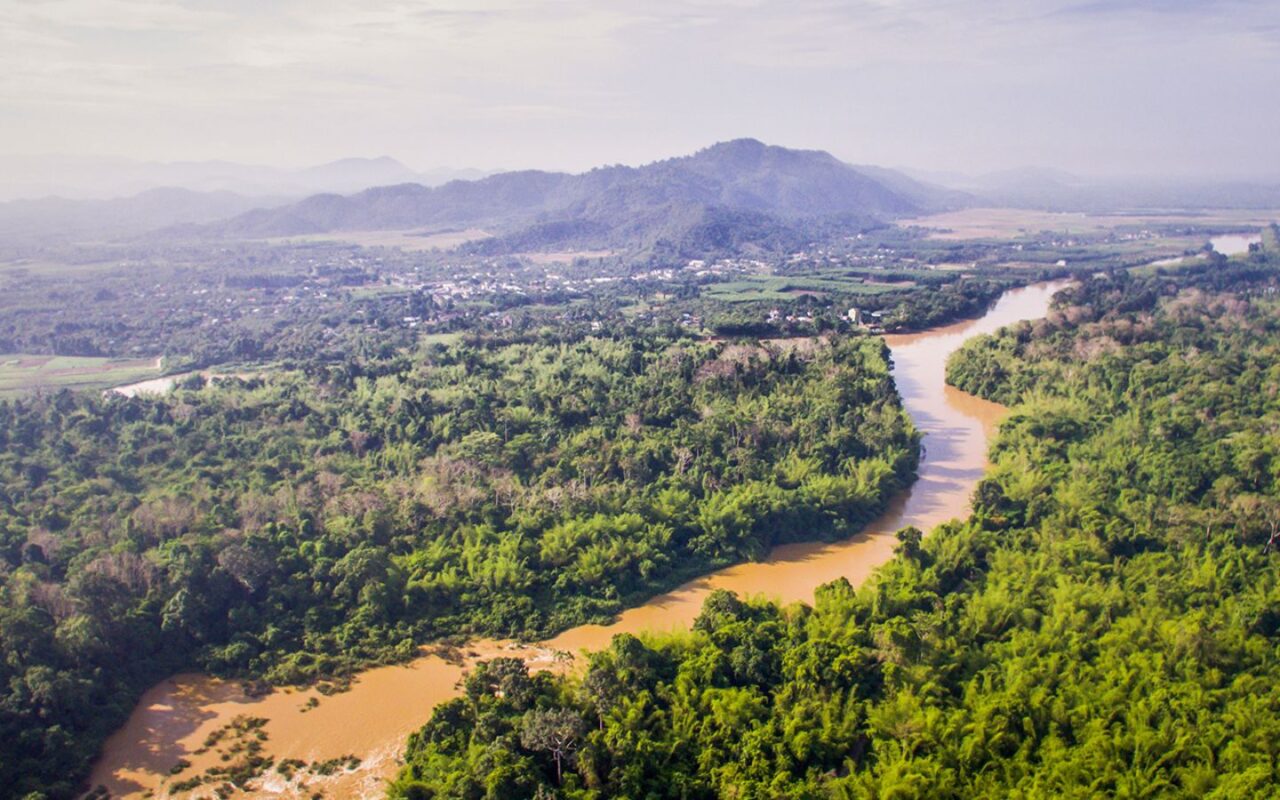
Unlike mammals, reptiles do not rely on large territories or complex social structures. Many reptiles of Cat Tien thrive along forest edges, trails, riversides, and even around park facilities – making them especially rewarding for visitors interested in herping in Cat Tien or guided night walks.
This guide highlights 10 reptile species you are most likely to encounter in Cat Tien, based on consistent field observations rather than rarity or taxonomic interest alone.
For a broader overview of species diversity beyond common encounters, explore:
→ Reptiles of Cat Tien: A Comprehensive Field Guide
Why Cat Tien Is Ideal for Reptile Watching
Several ecological factors make Cat Tien one of southern Vietnam’s best locations for reptile watching:
- Lowland tropical forest with stable temperatures
- High humidity and rainfall, especially during the rainy season
- Diverse microhabitats: canopy, forest floor, rivers, wetlands
- Minimal elevation change, making trails accessible
Because many snakes and lizards in Vietnam are active both day and night, sightings in Cat Tien are possible even without specialized equipment.
Best Time and Places to See Reptiles
- Best season: May to October (rainy season)
- Best time of day:
- Daytime: lizards, monitors
- Night: geckos, snakes
- Best locations:
- Forest edge trails
- Riverbanks and wetlands
- Lodge walls and lights
- Bau Sau (Crocodile Lake) area


To understand how seasonal conditions influence reptile activity patterns, see:
→ Rainy Season vs Dry Season: Two Completely Different Forest
The 10 Reptile Species You Are Most Likely to Encounter
Tokay Gecko (Gekko gecko)
One of the most iconic Cat Tien reptiles, the Tokay Gecko is instantly recognizable by its loud call and blue-gray body with orange spots. It is commonly seen on lodge walls, tree trunks, and large buildings at night.

Despite their intimidating call, Tokay Geckos are not aggressive unless handled and are often the first reptile visitors notice.
Asian House Gecko (Hemidactylus frenatus)
This small but widespread species thrives around artificial lights where insects gather, making it one of the most frequently observed reptiles of Cat Tien.


Although visually subtle, it plays an important ecological role as a natural insect controller.
Oriental Garden Lizard (Calotes versicolor)
This adaptable lizard is frequently seen basking along trails, forest edges, and open areas. Males may display bright coloration during breeding season, adding visual interest for photographers.

Its tolerance of disturbed habitats explains why it is one of the most frequently encountered reptiles in Cat Tien.
Vietnamese Blue Crested Lizard (Calotes bachae)
More forest-associated than its relative C. versicolor, this species is characteristic of southern Vietnam’s lowland forests. It is often seen perched quietly on vegetation during the day.


For wildlife enthusiasts, spotting this species provides a more “forest-specialist” experience without requiring deep trekking.
Indochinese Flying Lizard (Draco indochinensis)
Perhaps the most surprising reptile for first-time visitors, flying lizards glide between trees using extended ribs that form wing-like membranes.

They are commonly seen on tree trunks in sunny forest patches. Watching one glide across a trail is often a highlight moment for guests.
Common Water Monitor (Varanus salvator)
This large monitor lizard is one of the most impressive reptiles in Cat Tien. It is frequently seen near rivers, wetlands, and Bau Sau.

Despite its size, it is shy and usually retreats into water when disturbed. Observing one in the wild gives visitors a sense of the park’s intact ecosystem.
Clouded Monitor (Varanus nebulosus)
Smaller and more terrestrial than the water monitor, this species is often encountered along forest trails and open woodland.

Its cryptic coloration allows it to blend into leaf litter, making sightings feel especially rewarding.
Oriental Whip Snake (Ahaetulla prasina)
This slender, green snake is commonly seen resting on branches during the day or night. Its calm behavior and non-aggressive nature make it an excellent species for learning snake identification.

It feeds mainly on lizards and frogs, contributing to population balance.
Painted Bronzeback (Dendrelaphis pictus)
An active daytime snake, the Painted Bronzeback is often seen moving quickly along trails or vegetation.

Its speed and alertness make photography challenging, but sightings are frequent for attentive observers.
Giant Asian Pond Turtle (Heosemys grandis)
This freshwater turtle is closely associated with conservation efforts in Vietnam. In Cat Tien, it may be seen near streams, wetlands, or forest ponds.


Its presence highlights the importance of protected habitats for slow-breeding reptiles.
Are These Reptiles Dangerous?
Most reptiles of Cat Tien are harmless and actively avoid humans. Snakes typically retreat when detected, and lizards pose no threat.
The key is simple:
- Keep distance
- Do not attempt handling
- Observe calmly
Guided walks help visitors understand behavior and avoid unnecessary fear.
Responsible Reptile Watching Tips
- Use headlamps responsibly
- Avoid excessive flash photography
- Stay on established trails
- Never disturb or capture animals
Ethical herping ensures minimal impact and long-term conservation.
Reptiles as Part of the Cat Tien Wildlife Experience
Reptiles add depth to the Cat Tien experience, especially during night walks and slow forest exploration. They are often the wildlife group visitors encounter most frequently – bridging the gap between casual nature travel and deeper ecological appreciation.
For visitors seeking structured wildlife experiences, WANEE’s Cat Tien tours include guided walks highlighting reptiles and nocturnal forest life, with an emphasis on conservation and responsible herping
Explore Cat Tien wildlife with us: https://wanee.asia/cat-tien-tours/