

Date: October 28, 2026
Destination: Go Cong coast, Mekong Delta, Southern Vietnam
Racing the Tide Before the Heat
Some field days are planned around a single bird, and on October 28, 2026, ours was planned around the Spoon-billed Sandpiper. Three of us from the WANEE guiding team left Ho Chi Minh City at 6:00 a.m. and reached the coast near Go Cong at 8:45 a.m., at the start of the shorebird migration season that we follow in our Seasonal Wildlife Guide. It was not a tour but a working day in the field, the kind we use to sharpen our own skills, and we had timed it so that the lowest tide would open up the widest stretch of mud for us to search. The weather did not make it easy, with temperatures between 32°C and 34°C, heavy, humid air and strong sun from the moment we arrived.
Among the Clam Beds
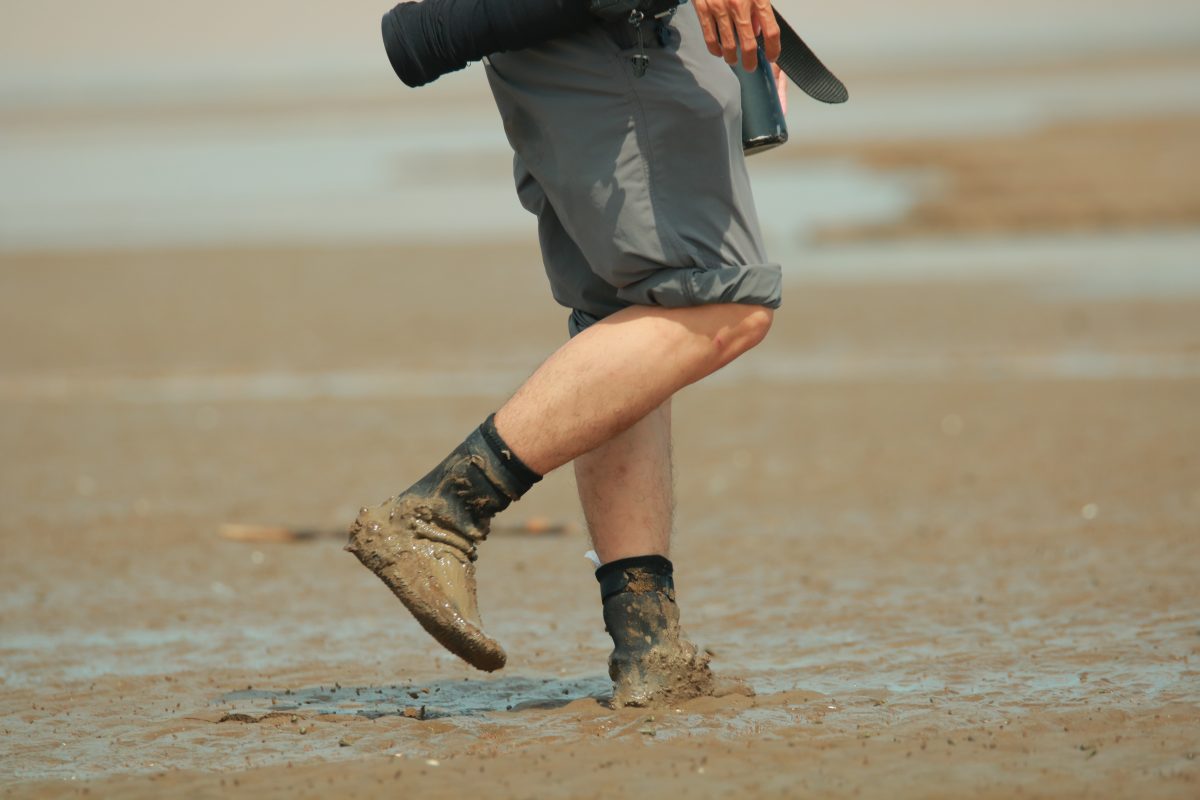
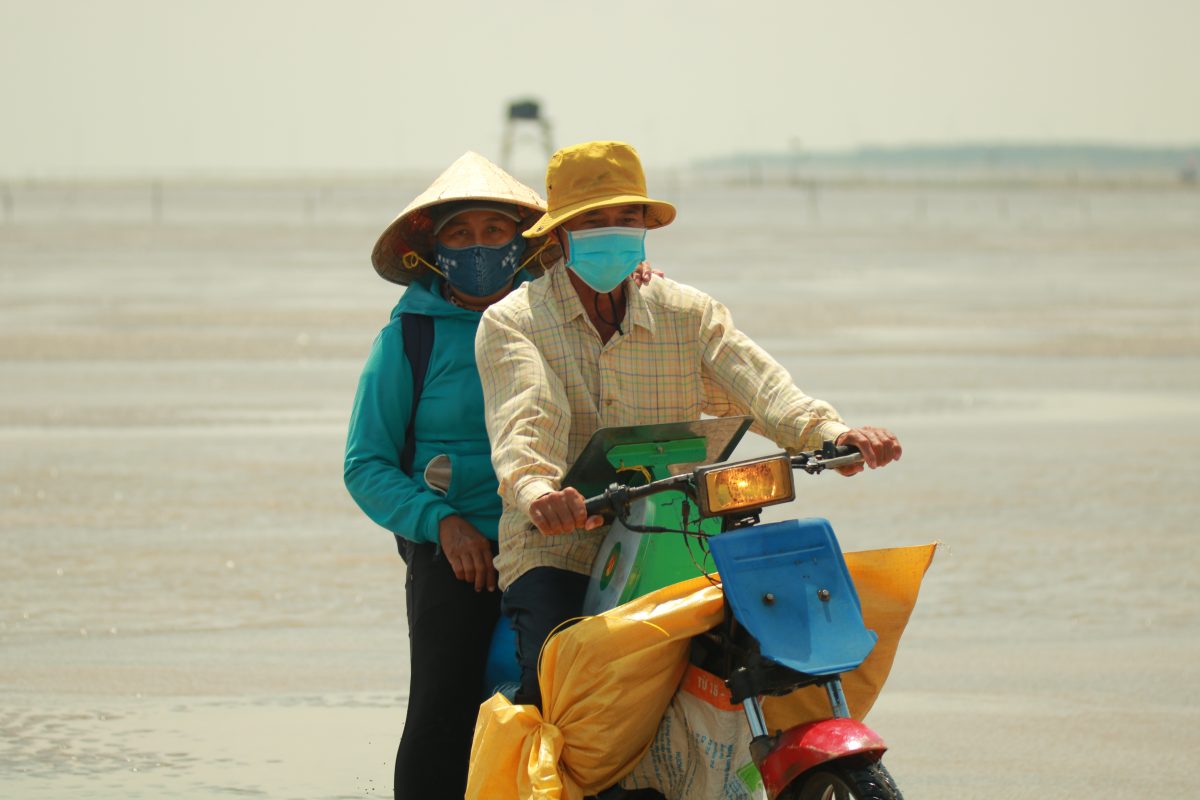

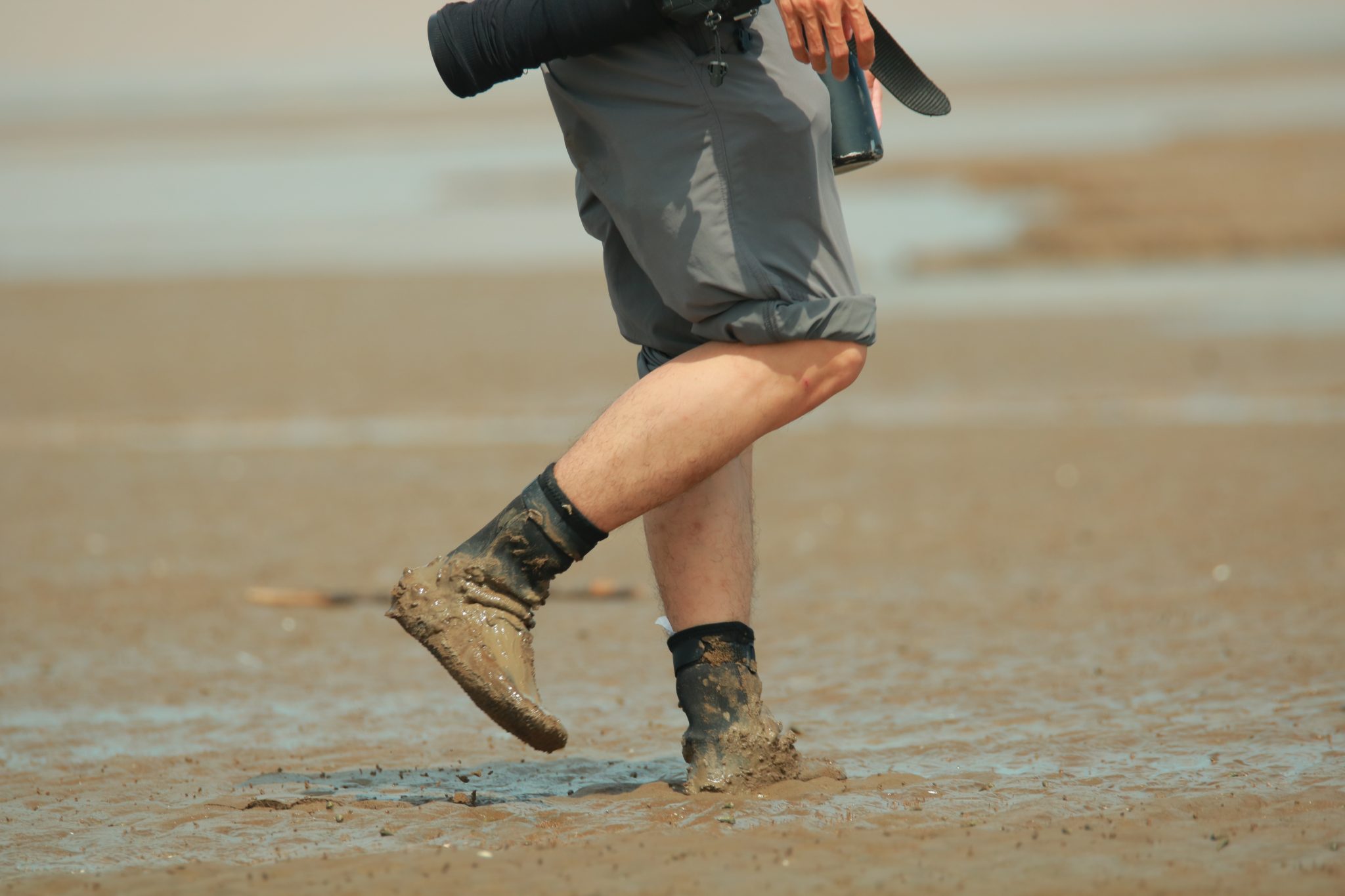
At 9:02 a.m., we began our search among the clam beds that local families farm on the flats, with binoculars and cameras ready. The wind, the harsh light and the soft mud made every step and every look harder than it would have been on a calmer day. All around us, flocks of shorebirds were feeding, each species working the mud with a bill of a different shape and length.
Out to the Lowest Tide
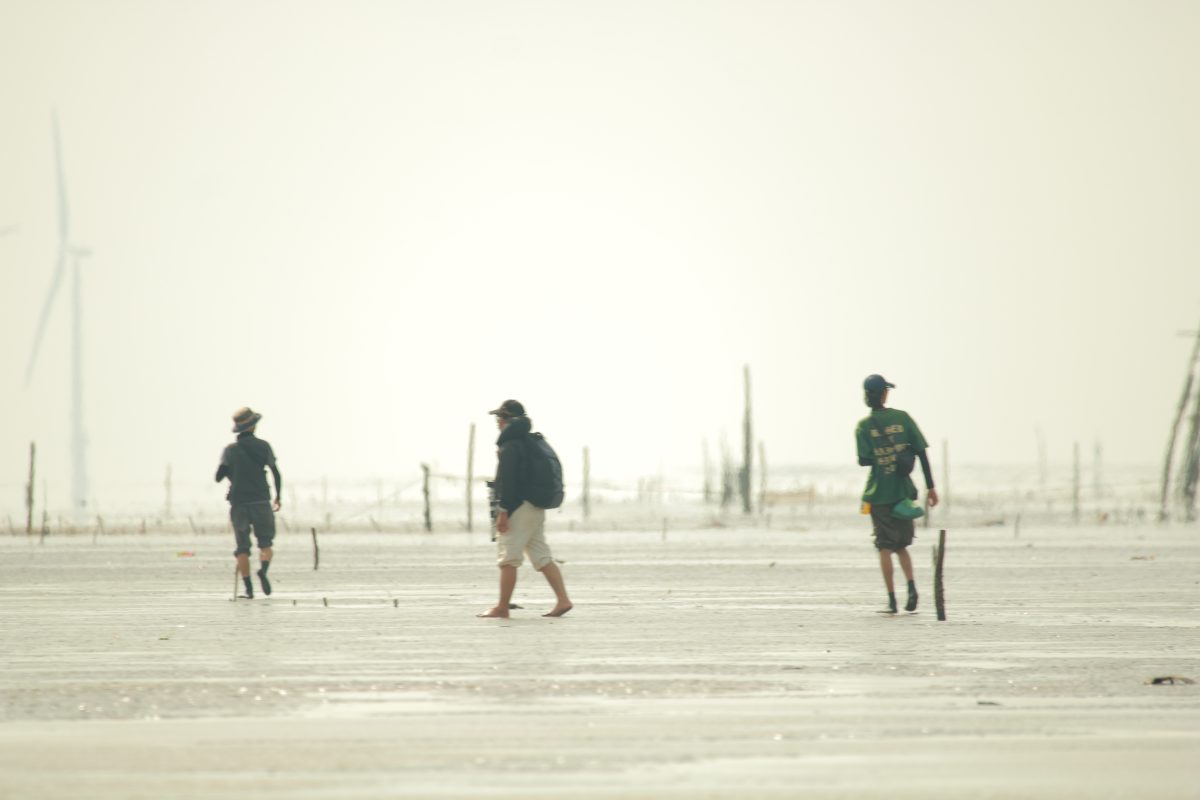
At 9:36 a.m., we pushed farther out toward the outer mudflats, where the falling tide had left the most room for birds to feed. The bird we hoped to find is one of the rarest shorebirds in the world. It breeds on the coastal tundra of the Chukotka Peninsula in the Russian Far East, spends the northern winter in South and Southeast Asia and is listed as Critically Endangered, with recent estimates of only a few hundred mature birds left. Its spoon-shaped bill is unlike any other wader’s, yet outside the breeding season it looks much like the far more common Red-necked Stint, and the tip of that bill is hard to see at a distance when the bird is side-on.
Because a Spoon-billed Sandpiper feeds in much the same way as the small sandpipers around it, we split the flats between us, and each of us watched a different direction so that we could cover more ground and be less likely to miss it. The birds kept us busy. Some ran along the water’s edge, keeping pace with each small wave to snatch prey without being caught by it, while others walked quickly, stopped and probed deep into the soft mud. Each species was there in numbers from 2 to several dozen, sometimes as close as 4 to 5 m, and whenever something startled them, a whole group would lift off and settle again farther away.

(Calidris ferruginea)
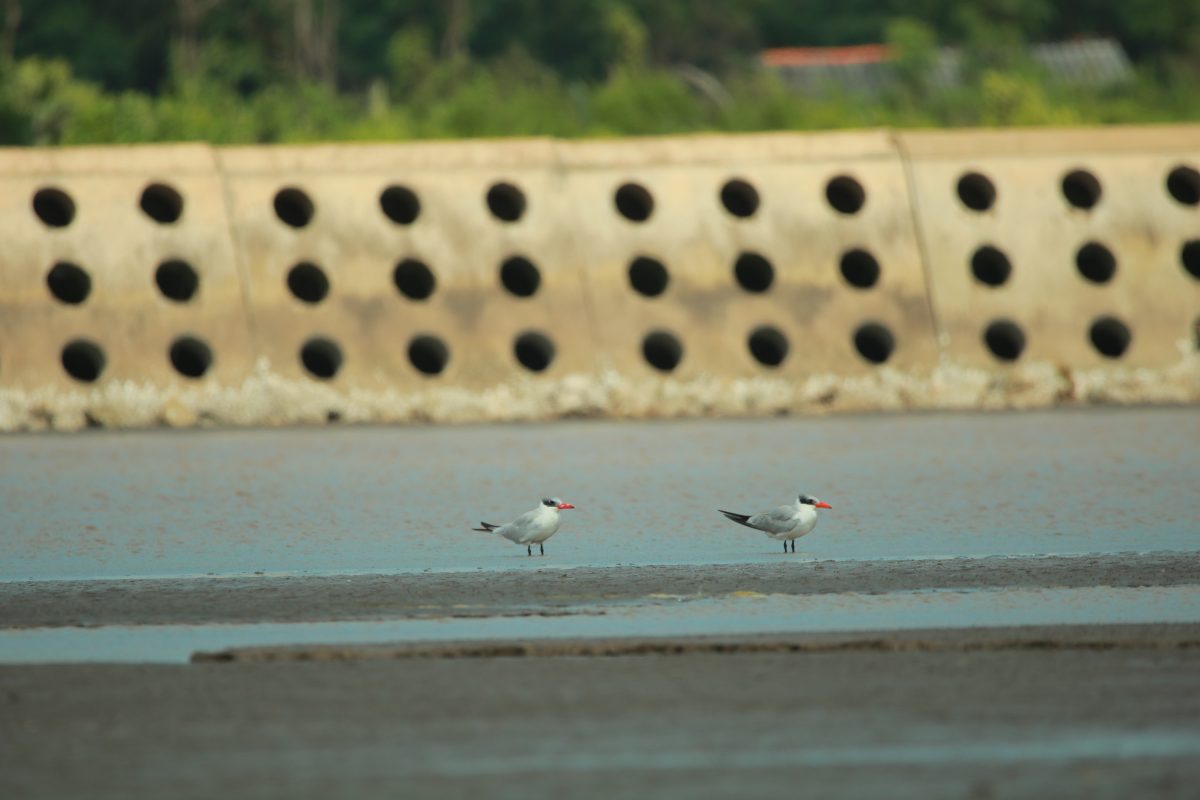
(Hydroprogne caspia)
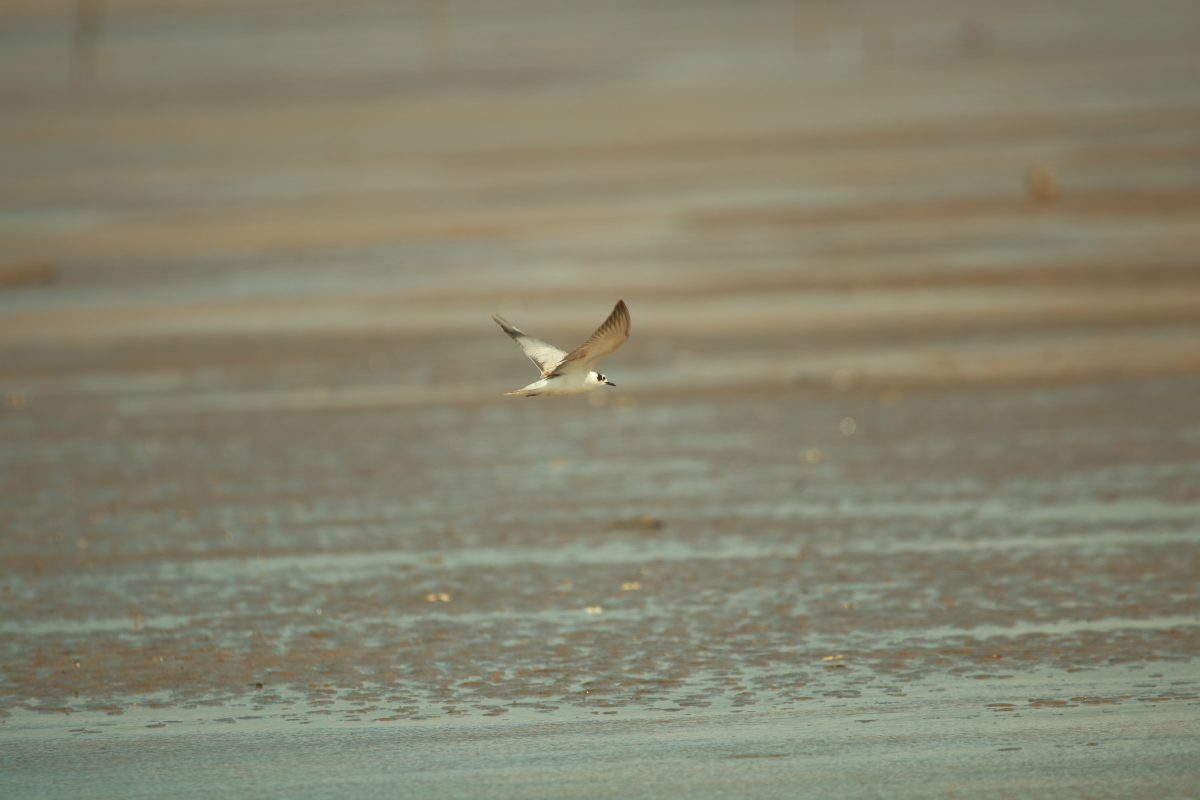
(Chlidonias hybrida)
Two Hours on the Mud
After 30 minutes, and then an hour, we were still photographing constantly, but none of our photos and none of our looks through the binoculars stopped on that unusual bill. We kept working toward the far flats, where countless birds were using the low tide to feed. As the sun climbed overhead, however, the glare and the heat began to tire our eyes, and the wind shook our binoculars and cameras enough that holding a steady view became a challenge of its own.
After more than 2 hours of walking and searching, our list kept growing while the target stayed missing. We recorded Eurasian Whimbrel, Common Greenshank, Caspian Tern and Curlew Sandpiper, among other species, and I was excited by the variety of bills in front of us, each one an adaptation to life on a harsh and constantly shifting shore. I also felt curious and a little humbled by how often naming a shorebird on the spot was beyond what my eyes could manage in that light. On days like this, it is normal to take hundreds of photos of a single bird simply to be sure of its identity later.

(Hydroprogne caspia)
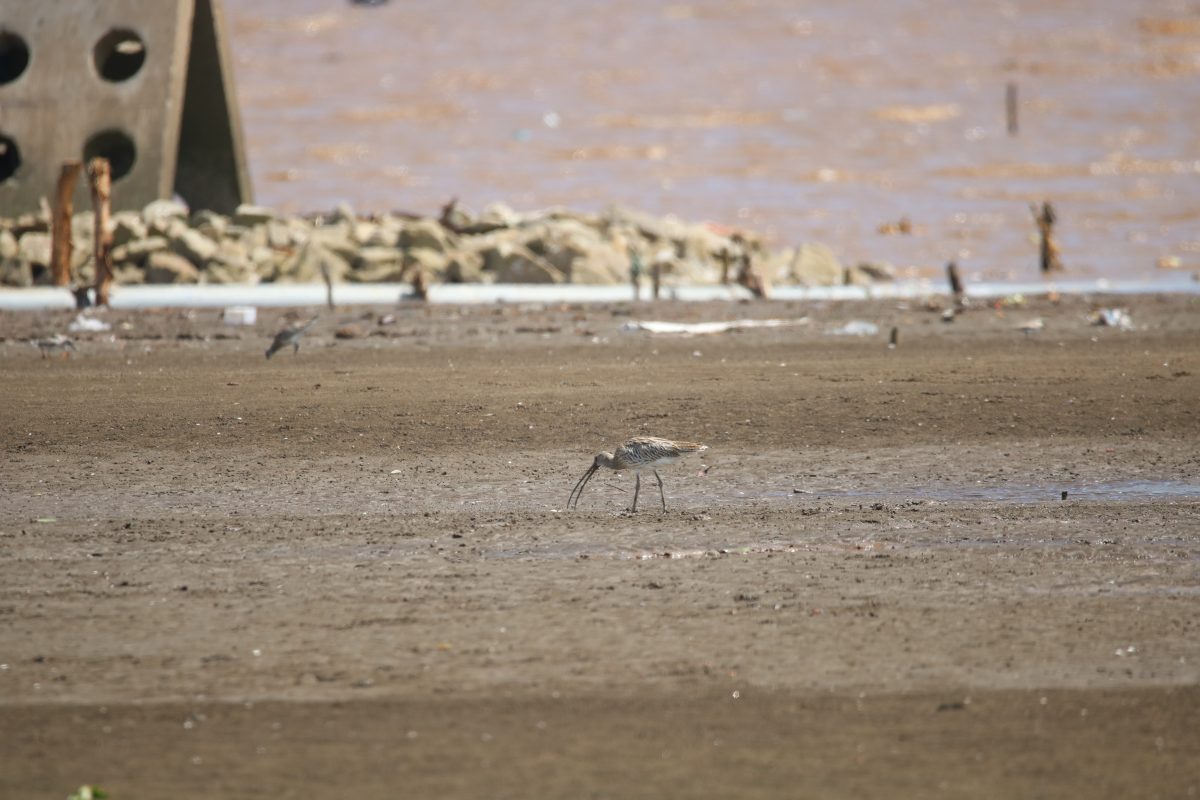
(Numenius arquata)

(Tringa nebularia)
Retreating as the Tide Returns
At 11:38 a.m., the tide began to rise, and with the sun now harsh overhead, we decided to turn back toward the shore. Staying out longer would have meant facing the incoming water on soft mud that can trap a careless step, and spending more time in that heat on an open flat would have risked dehydration and heatstroke. I felt some regret walking away without the bird we had come for, but turning back was the right call for all 3 of us.
Under a Tree by the Seawall
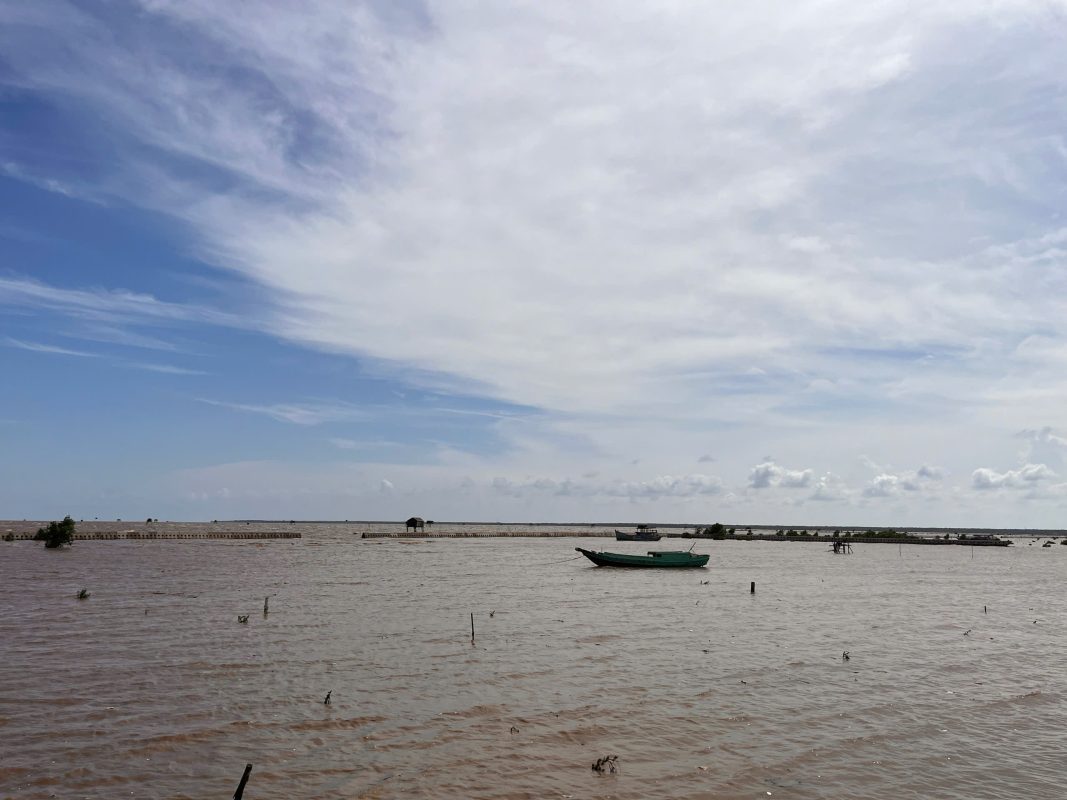
Back on land, we rested under a tree by the roadside to cool down, and from there we watched the muddy water push in toward the shore. The birds used the last minutes before the tide covered their feeding grounds to pick up whatever food they could, and as the rising water pushed them closer, one of us said, “We’re definitely going to get some sharp, beautiful photos.” We finally had closer, clearer views of Eurasian Curlew, Bar-tailed Godwit, Gull-billed Tern, Collared Kingfisher and Striated Heron, and we spent that time talking about how differently each species fed and moved and trying to guess where the birds would go next. We stayed until the sea had covered everything and only murky water and waves breaking against the seawall were left. Our field day ended at about 1:54 p.m., and we drove back to the city with memory cards full of photos.
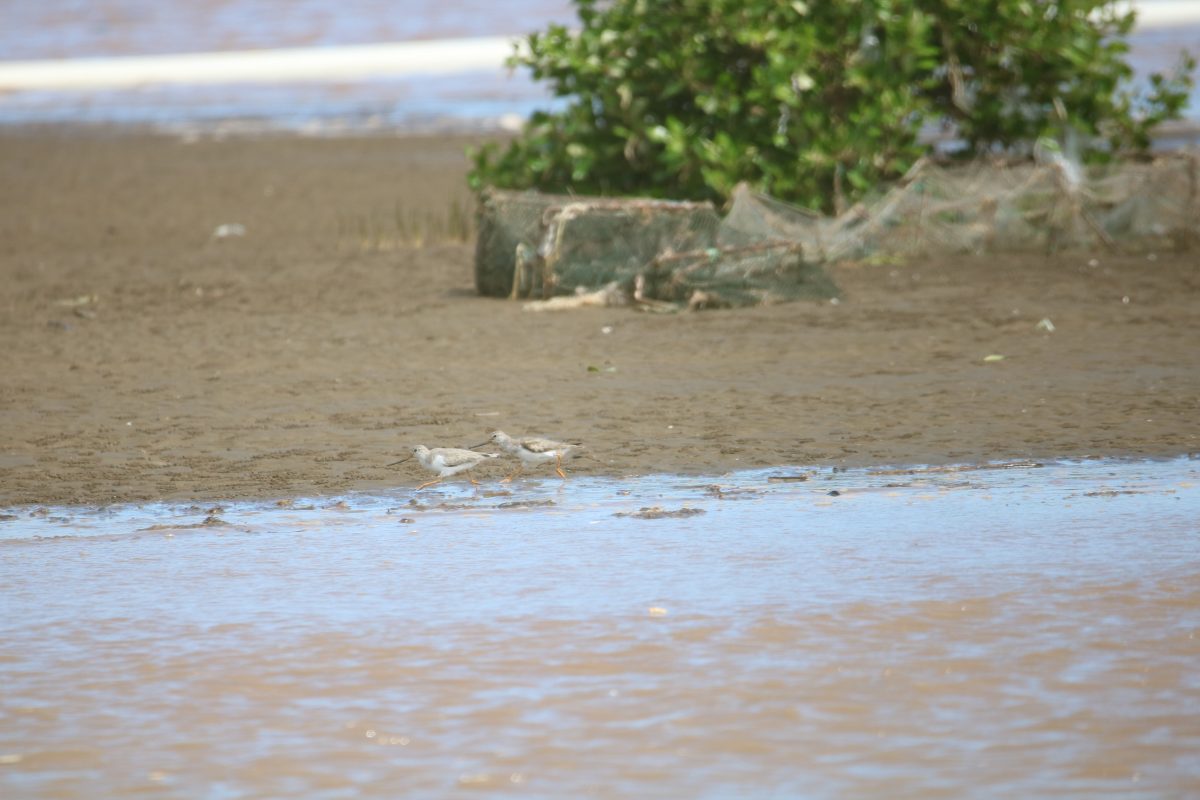
(Xenus cinereus)
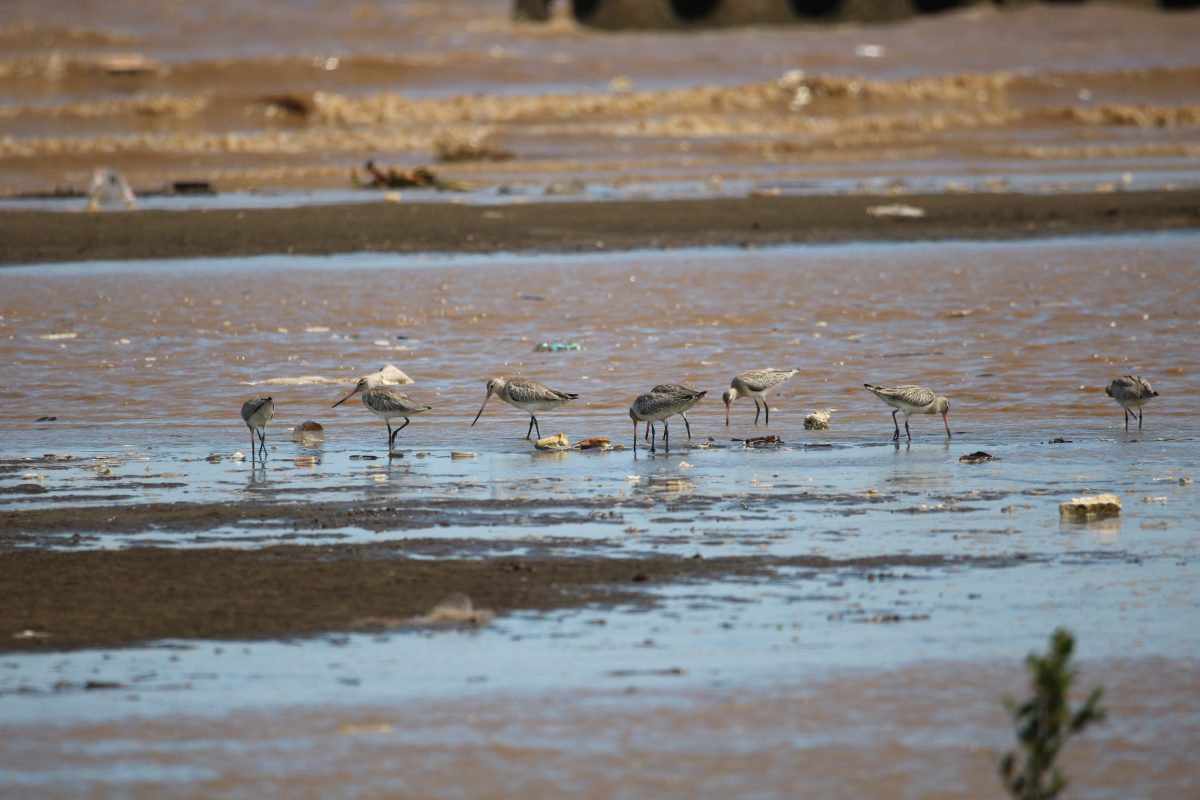
(Limosa lapponica)
Respecting the People Who Work the Flats
The flats we walked that morning are feeding grounds for birds, but they are also clam beds that support local families. Finding a rare species matters to us, and the excitement of the search is real, yet it should never come at the expense of the community’s livelihood. In practice, that means staying out of the farmed areas and accepting that some birds will remain too far away to see well. For the same reason that we protect the people on this coast, we also protect the bird: because the Spoon-billed Sandpiper is Critically Endangered, we describe where we searched only at the level of the wider coast.
What We Brought Home
We did not see the bird we came for, and I would rather say that plainly than make the day sound like something it was not. What we brought home instead was a morning spent reading the tide, a long list of shorebirds, hundreds of photos still waiting to be sorted and a clearer sense of how much planning can do on open mudflats and how much is still left to luck. The Spoon-billed Sandpiper will spend the coming months somewhere along these coasts, and all 3 of us left wanting to be out there again when the tide next falls, this time perhaps with some of the guests who join our Vietnam birding tours.
