

About Vietnam Pitta Birding Tour
As dawn breaks over Vietnam’s lush landscapes, the air is thick with humidity and the sounds of awakening wildlife. This is the perfect moment for birders to embark on a Vietnam pitta birding tour, where the vibrant colors and unique calls of birds await discovery. The country is home to a variety of pitta species, including the bar-bellied pitta and the blue-rumped pitta, making it a prime destination for nature travelers.

In this guide, you will find practical tips and insights for exploring Vietnam’s rich avian diversity. From the best times to visit to key habitats and signature wildlife encounters, this itinerary will help you make the most of your birding adventure.
This tour takes you to a newly discovered location where the Delacour’s Langur was found. This area also hosts the Vietnamese Cutia, a near-endemic species that is a must-see for avid birders. The combination of these unique species and the beautiful landscapes makes this tour an exciting opportunity for wildlife enthusiasts.
With its diverse ecosystems, Vietnam offers a range of habitats that support various bird species. Birdwatching here is not just about spotting birds; it’s about immersing yourself in the sounds and sights of nature. For more information, check out our Vietnam birding tours guide.
Field tip: Bring binoculars and a field guide for better identification of species.
Best Time by Season (Vietnam)
The best time for birding in Vietnam generally aligns with the dry season, which runs from November to April. During these months, the weather is cooler and more pleasant, making it easier to explore various habitats. Bird activity is often heightened during this period, as many species are more visible and vocal.
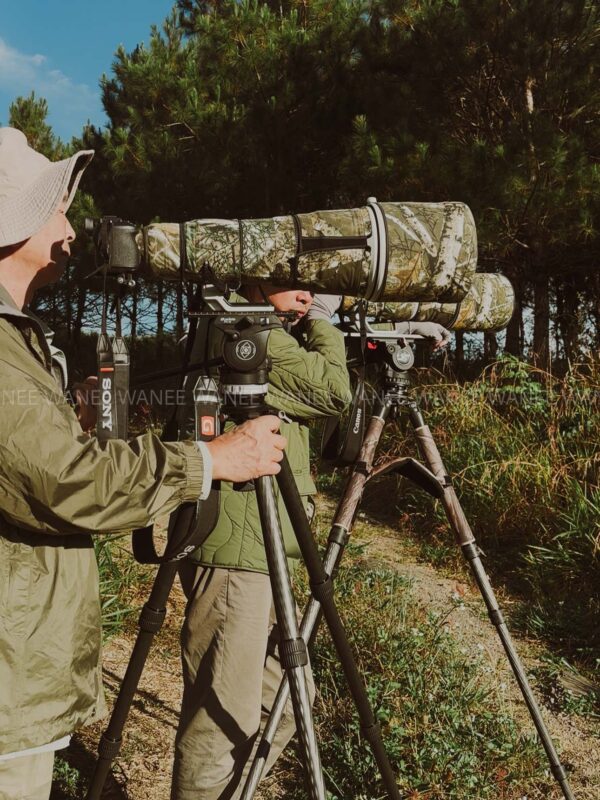
Visiting during the peak of the dry season can increase your chances of spotting pitta species, as they tend to be more active. However, each season offers unique opportunities to observe different wildlife behaviors and migrations.
Field tip: Plan your trip around the dry season for optimal birding conditions.
Key Areas and Habitats
Vietnam’s diverse ecosystems range from tropical forests to wetlands, each supporting a unique array of wildlife. Key areas for birding include mountainous regions, lowland forests, and riverine habitats. These areas provide essential resources for various bird species, including food and nesting sites.
Focusing on specific habitats can enhance your birding experience. For instance, lowland forests are ideal for spotting bar-bellied pittas, while mountain areas attract a different set of species like Blue Pitta. Understanding these habitats will help you plan your birding routes effectively.

Field tip: Research local habitats to determine the best locations for birdwatching.
Signature Wildlife Encounters
Vietnam is rich in biodiversity, offering numerous opportunities to encounter unique wildlife. Among the highlights are the bar-bellied pitta and the blue-rumped pitta, both known for their striking plumage and elusive nature. These species are often found in dense underbrush, making patience and quiet observation key to successful sightings.
Other notable species include the Vietnamese Cutia, which adds to the allure of birdwatching in this region. Each encounter provides a deeper connection to Vietnam’s natural heritage and the importance of conservation efforts.
Field tip: Use a spotting scope for distant views of shy species.
Three-Day Sample Itinerary
A specialized three-day birding itinerary in Cat Tien National Park offers an unparalleled opportunity to target Vietnam’s most sought-after forest birds, with a particular focus on the spectacular Bar-bellied Pitta and Blue-rumped Pitta.
This immersive experience begins with a transfer from Ho Chi Minh City to the park, where after handling entry formalities, your first afternoon is spent on trails near the park headquarters, a known habitat for pittas and other lowland specialists, followed by an evening spotlighting session for nocturnal wildlife like owls and nightjars .
The second day is dedicated to deep exploration via jeep to remote areas such as Crocodile Lake and sections of old-growth forest, which are prime territories for not only the Germain’s Peacock-Pheasant and Orange-necked Partridge but also for the key target pittas, with afternoon birding in other forest zones and grassland habitats to maximize species diversity .
The final morning provides a last chance to seek any missed species along the productive headquarters road before the return journey to Ho Chi Minh City . For photographers, some tours provide access to licensed feeding areas with hides, dramatically increasing the chance for clear, close-range photographs of the Bar-bellied and Blue-rumped Pittas as they come to the forest floor
Getting There and Stays
Traveling to Vietnam for birding requires some planning. Major cities like Hanoi and Ho Chi Minh City serve as entry points. From there, you can arrange transportation to key birding sites. Local transport options include buses, taxis, and guided tours, which can simplify your travel experience.
When it comes to accommodations, consider staying near your chosen birding locations. Options range from eco-lodges to guesthouses, providing various levels of comfort. Staying close to the action allows for early morning excursions, maximizing your birdwatching time.
Field tip: Book accommodations in advance, especially during peak seasons.
Packing List and Safety
When preparing for your Vietnam birding tour, a well-thought-out packing list is essential. Include lightweight clothing suitable for humid conditions, sturdy footwear for hiking, and essential birdwatching gear such as binoculars and a field guide. A rain jacket can also be beneficial, as weather can be unpredictable.
Safety is paramount while exploring natural areas. Always carry a first-aid kit and stay hydrated. Be aware of your surroundings, especially in remote locations, and follow local guidelines for wildlife observation.
Feel feel to have a quick conversation with us so that you can have everything well-packed!
Field tip: Pack a reusable water bottle to reduce plastic waste.
FAQs
Many travelers have questions about birding in Vietnam. Common inquiries include the best times to visit, what to pack, and how to spot specific species. It’s important to do thorough research and connect with local birding communities for the latest information and tips.
Understanding the local culture and environment can enhance your experience. Engage with local guides and fellow birders to share insights and stories about your encounters.
Field tip: Join online forums or social media groups focused on birding in Vietnam for real-time advice.
Conclusion
Embarking on a Vietnam pitta birding tour offers a unique opportunity to connect with nature and witness the beauty of avian life in one of Southeast Asia’s most diverse ecosystems. With careful planning, respect for wildlife, and an open heart, you can enjoy a rewarding experience. Whether you’re a seasoned birder or a nature enthusiast, Vietnam’s rich biodiversity awaits your exploration.