

Vietnam, with its diverse habitats from lush forests to wide wetlands, provides excellent opportunities for bird photographers. Using bird photography hides is one of the effective ways to capture birdlife. These hides let you observe and photograph birds quietly and responsibly, while also increasing the chance to encounter rare and elusive species such as the Bar-bellied Pitta or Germain’s Peacock-Pheasant.


As you explore Vietnam’s bird hides, you’ll encounter lush forests, wetlands, and mountainous regions. Each location has its unique charm and offers different species to photograph. Whether you are a seasoned photographer or a beginner, this guide will help you navigate the best practices for birdwatching and photography in Vietnam, including Vietnam wildlife photography tour guide.
Bird hides are usually placed in areas with high bird activity, like feeding grounds or forest edges. In Vietnam, many hides are found inside national parks and protected areas, which makes them accessible to photographers. Cat Tien National Park, for example, is a popular site that combines daytime birding hides with night safaris, giving visitors a chance to see nocturnal wildlife such as civets and owls.
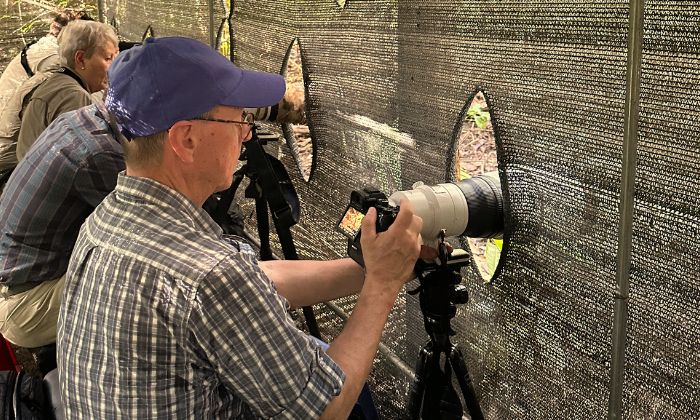
The hides are built to blend into the natural surroundings, reducing disturbance to birds while giving photographers a close yet respectful vantage point. In Vietnam, many hides are equipped with simple seating and viewing windows, striking a balance between practicality and comfort. This setup helps birders spend longer hours in the field and improves the chance of photographing species like broadbills, pittas, and woodpeckers.
Best Time to Photograph Birds in Vietnam
The timing of bird photography in Vietnam depends on both region and species. In general, the dry season from November to April is considered the most favorable period, as it coincides with the arrival of many migratory birds that boost local diversity. Early mornings and late afternoons not only provide soft, natural lighting but also match the peak hours of bird activity.
To make the most of your trip, plan to visit multiple regions during this season. Each habitat has its own peak time for sightings, so a bit of research on specific locations will help maximize your photographic opportunities.
Key Birdwatching Areas and Habitats
The timing of bird photography in Vietnam depends on both region and species. In general, the dry season from November to April is considered the most favorable period, as it coincides with the arrival of many migratory birds that boost local diversity. Early mornings and late afternoons not only provide soft, natural lighting but also match the peak hours of bird activity.
To make the most of your trip, plan to visit multiple regions during this season. Each habitat has its own peak time for sightings, so a bit of research on specific locations will help maximize your photographic opportunities.

Vietnam’s Signature Bird Species
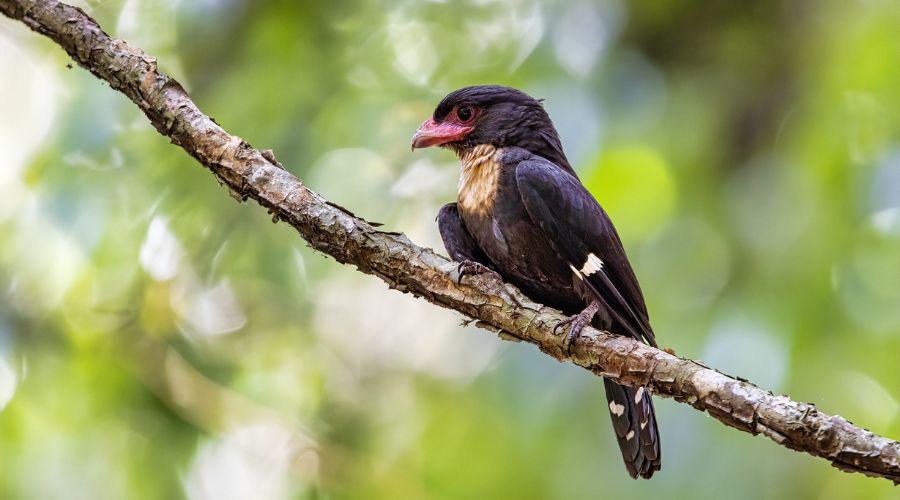
Vietnam hosts many signature and sought-after birds that draw photographers from around the world. While species vary by region, examples often pursued by photographers include pheasants and pittas, colorful broadbills in the canopy, and large wetland species in river basins. Regional endemics and restricted-range species add extra appeal for specialist trips.
In forested areas you’ll frequently encounter mixed-species flocks—watching these groups is an efficient way to find multiple targets in one outing. Stay patient and alert: birds often appear quickly and briefly, so being ready is essential.
Field tip: Use a telephoto lens to capture distant birds without disturbing them.
Sample Two-Day Vietnam Birdwatching Itinerary
Day 1—Wetlands + Forest: Start before dawn at a nearby wetland to photograph waterbirds at first light (e.g., herons, storks). Mid-morning, transfer to an adjacent forest for canopy species and mixed flocks; use mid-afternoon to rest and review images. Return for a late-afternoon session when forest species become active again.
Day 2—Hide & Focused Photography: Arrive at a prepared bird hide before dawn, settle in quietly, and photograph species that approach the hide. Use the quieter late morning for scouting nearby trails or changing locations, and an afternoon hide or roadside stakeout to target species you missed.
Plan legs and timing around local travel times—if your base is near a specific park (Cat Tien, Tram Chim, etc.), adapt the example to local routes. Pack snacks, water, and spare batteries; morning starts and patient periods in hides are the norm.
Getting to Vietnam’s Bird Hides and Accommodation
Access to bird hides in Vietnam depends on the site: some are a short walk from park headquarters, others require a drive and a boat or a guided transfer. Research travel times and road conditions in advance — many hides are easiest reached with a local guide or lodge that handles transfers.
Choose accommodation near your target sites to reduce early-morning travel; eco-lodges and park guesthouses are common options and often provide direct access or coordinate with guides. During high season, book lodging and any required park permits ahead of time
Essential Packing List for Bird Photography in Vietnam
When preparing for bird photography in Vietnam, packing the right gear is essential. A good camera with a quality lens is a must. A tripod can also be beneficial for stability, especially in low-light conditions. Don’t forget to bring extra batteries and memory cards.
In addition to photography gear, consider packing lightweight clothing suitable for humid conditions, insect repellent, and a water bottle. A field guide to birds can also enhance your experience, helping you identify species on the spot.

Frequently Asked Questions about Vietnam Birdwatching
Many birders have questions about birdwatching in Vietnam. Common inquiries include the best times to visit, what equipment to bring, and how to respect local wildlife. Understanding these aspects can significantly enhance your experience.
Joining local birdwatching groups or hiring a guide can also provide valuable insights and improve your chances of spotting rare species. Engaging with the local birding community can enrich your trip, especially through Vietnam primate watching tours.
Conclusion
Bird photography in Vietnam offers a rewarding experience for nature enthusiasts. By utilizing bird photography hides, you can observe and capture the beauty of Vietnam’s avifauna while respecting their natural behaviors. Remember to plan your visit around the best times for bird activity, pack essential gear, and adhere to ethical practices. With the right preparation, your birdwatching adventure in Vietnam can be both fulfilling and respectful of the environment. And if you’d like some extra support in planning a smooth, well-guided trip, our team at WANEE is here to help you make it an unforgettable birding experience.