

Cat Tien National Park, located 150 kilometers north of Ho Chi Minh City, spans 72,000 hectares and is a UNESCO Biosphere Reserve known for its rich biodiversity and lush rainforests. To make the most of your visit, you should consider the park’s distinct seasons. Being in the monsoon tropical climate, it is recommended to know about the seasonal wildlife sightings in Cat Tien National Park.
The park home to unique species like the douc langur, gaur, and gibbon, along with around 300 bird species, making it a haven for nature lovers and wildlife enthusiasts. The dry season, wet season, and transitional periods each offer different experiences, impacting the park’s biodiversity and landscape. Let’s join WANEE in planning your visit to experience the park’s changing wonders throughout the seasons!
Cat Tien Dry Season (November to April)
The dry season in Cat Tien National Park is marked by lower humidity, minimal rainfall, and cooler temperatures, making it the most comfortable and popular time for visitors. With mild temperatures and less precipitation, the days can be warm, while the nights are cooler. Many animals are drawn to water sources, making wildlife easier to spot near rivers and lakes. The drier vegetation and less lush landscape provide excellent conditions for trekking and wildlife viewing. However, expect a less green environment compared to other seasons.


Cat Tien Wet Season (May to October)
The wet season in Cat Tien National Park is characterized by heavy rainfall, high humidity, and vibrant greenery. Frequent downpours and occasional flooding create a lush, thriving landscape. This season is ideal for amphibians, reptiles, and birds, as the increased moisture brings out more activity among these species. The abundance of plant and insect life provides a rich food source for wildlife. Rivers and streams are full, and the park’s ecosystem flourishes. It’s a visually stunning time for nature enthusiasts to witness the park in full bloom, with its transformed, lush environment.


Cat Tien Transitional Periods (April and October)
The transition periods at Cat Tien National Park represent the shift between the wet and dry seasons. During these months, the weather can vary with occasional rain and milder temperatures. It’s a time of change, offering a unique opportunity to observe species adjusting their behaviors and life cycles. The landscape during this time combines elements of both seasons, creating a fascinating blend of lush greenery and drier areas. These transitional periods highlight the park’s dynamic ecosystem, making it an interesting time for visitors to experience the park’s evolving beauty.

Dry Season – The Best Time for Wildlife Sighting in Cat Tien
Dry trails: During the dry season, the trails are less muddy and more accessible. This makes hiking and wildlife tracking much more manageable and enjoyable.


Animal activity: Many animals, including mammals and birds, are drawn to water sources during the dry season because natural water holes may dry up. This concentration of wildlife near rivers and lakes increases the chances of spotting various species.
Comfortable weather: The dry season offers more comfortable weather conditions with lower humidity and milder temperatures, making outdoor activities more pleasant.
Clear visibility: With less dense foliage and dry conditions, visibility is improved, making it easier to observe and photograph wildlife.
Ideal for mammals: The dry season is particularly good for observing mammals like gaur, deer, and other larger animals, as they are more active and visible.
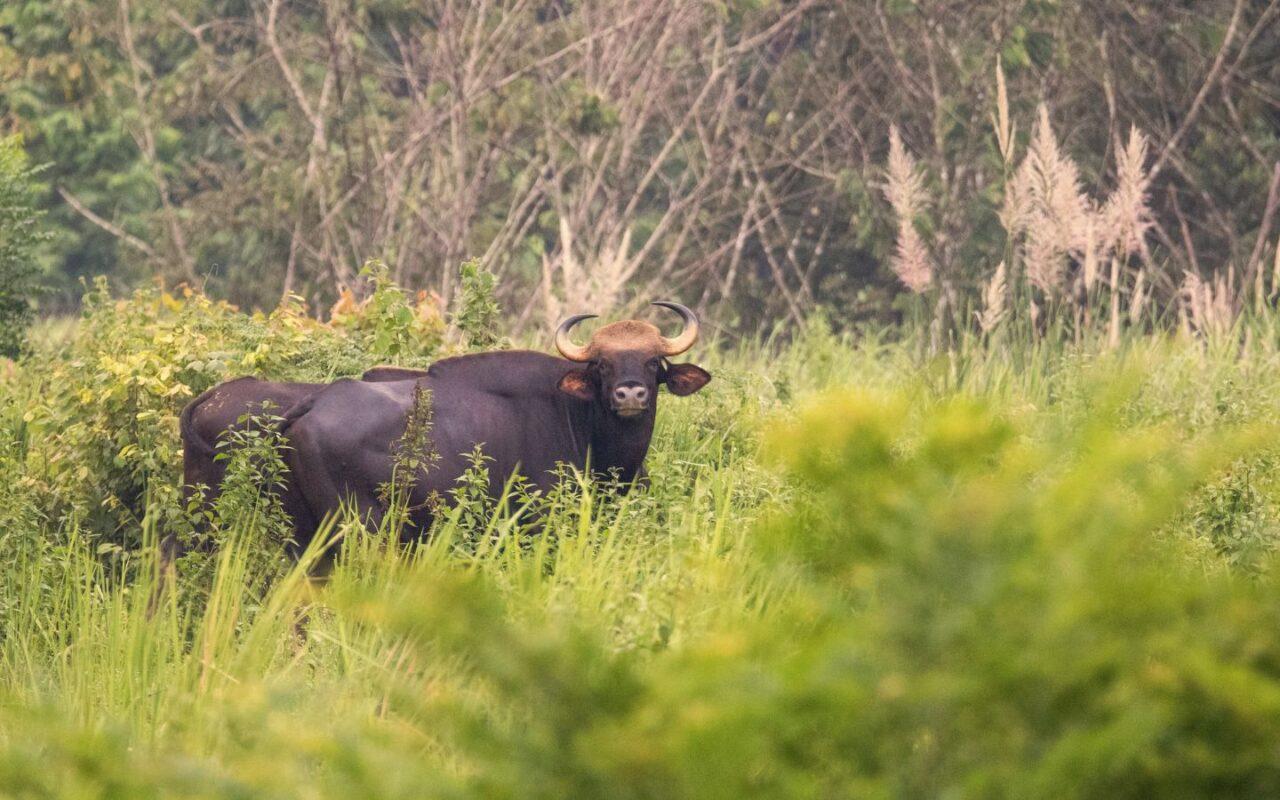


While the dry season is generally recommended for wildlife discovery, it’s important to note that this park is home to various species, and the wet season or transitional months can be an excellent time to spot birds, reptiles, and amphibians. If you don’t mind the mosquitoes and leeches, try to start your journey on some sunny days and you can have rewarding experience. Many bird species in Cat Tien are more active and visible during the wet season.
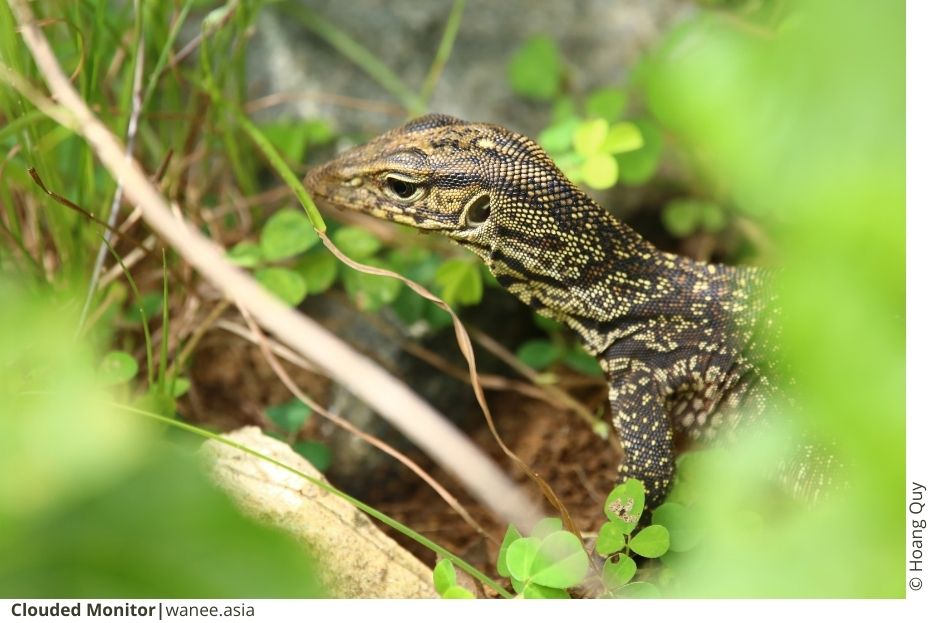
The increased moisture and lush vegetation provide an abundance of food sources for birds, leading to heightened activity levels. The wet season is also the breeding season for numerous bird species. This means you have a higher chance of spotting parent birds caring for their chicks and engaging in courtship displays. Just don’t forget to apply insect repellent and leech protection measures before you enter the forest.
Vietnam Wildlife and Birding Tours at WANEE
Cat Tien National Park’s seasons greatly influence its climate, biodiversity, and landscapes. Whether you prefer the dry season’s comfortable trekking and optimal wildlife sightings, the wet season’s lush greenery and active birdlife, or the transitional months’ dynamic environment, each period offers a unique and captivating experience.
Join WANEE for a guided wildlife trekking adventure and explore the park safely and comfortably. With over 100 successful tours each year and a 90%+ wildlife spotting rate, our expert guides and thoughtful itineraries ensure a memorable journey. Convenient accommodations, immersive experiences, and dedicated service make every trip unforgettable.
👉 Explore upcoming tours: https://wanee.asia/cat-tien-tours/