

Cat Tien National Park, located about 150 km north of Ho Chi Minh City, spans six districts across Dong Nai, Lam Dong, and Binh Phuoc provinces in southern Vietnam. Covering approximately 720 km², it is one of the largest lowland tropical forests in the region and serves as a crucial watershed for the Dong Nai River.
Since being designated a strictly protected forest in 1978 and recognized by UNESCO as Vietnam’s second biosphere reserve in 2001, Cat Tien has been a focus of ongoing conservation efforts. Its semi-mountainous terrain, combined with distinct rainy and dry seasons, creates a diverse climate and supports a variety of ecosystems.
Cat Tien National Park is a pristine sanctuary where flora and fauna flourish freely. From rare trees to endangered wildlife, the park showcases the incredible biodiversity of Vietnam. Explore the richness of Cat Tien National Park with WANEE.

Biodiversity of Cat Tien National Park
Flora at Cat Tien NP
The park is home to 1,610 species of vascular plants, Cat Tien National Park is considered a strange world of plants, and while nature bestows upon the park a variety of rare and precious animals, she does not forget to create the rich flora present in the systems of large and small trees, shrubs, grasses and phytoplankton.
Among them, we can mention rare types of wood such as: rosewood (Dalbergia spp.), Go do (Afzelia xylo carpa), Go mat (Sindora siamensis), Burma ironwood (Xylia xylocarpa), Burma Padauk (Pterocarpus macrocarpus). These trees are precious for their durable wood, beautiful colours and wood grain. This type of wood was used in the past to fashion furniture and decorative objects.
But that was more than 40 years ago when forest coverage was extensive. Forest coverage has dwindled since then, replaced by various types of industrial crops, such as coffee, rubber, pepper, cashew, and tea, etc. Today, Cat Tien’s primary forests are among the last remaining places where visitors can still admire these rare and precious trees.

The trees here are well-known for their fancy appearance. This is because each species and each tree has its own unique shape. The more we study these trees, the more inquisitive we get.
Fauna at Cat Tien NP
Cat Tien National Park is known as the only National Park where wild animals can be observed in their natural environment in Vietnam. According to previous surveys, Cat Tien National Park has 94 reptiles, 37 amphibians, 343 birds, and 97 mammals. New species are still being discovered in the park, such as the Cat Tien bent-toed gecko (Cyrtodactylus cattienensis), the Ruby-eyed pit viper (Trimeresurus rubeus), the Cochinchina Lizard (Calotes bachae), anh the Cat Tien Slender Gecko (Hemiphyllodactylus cattien).
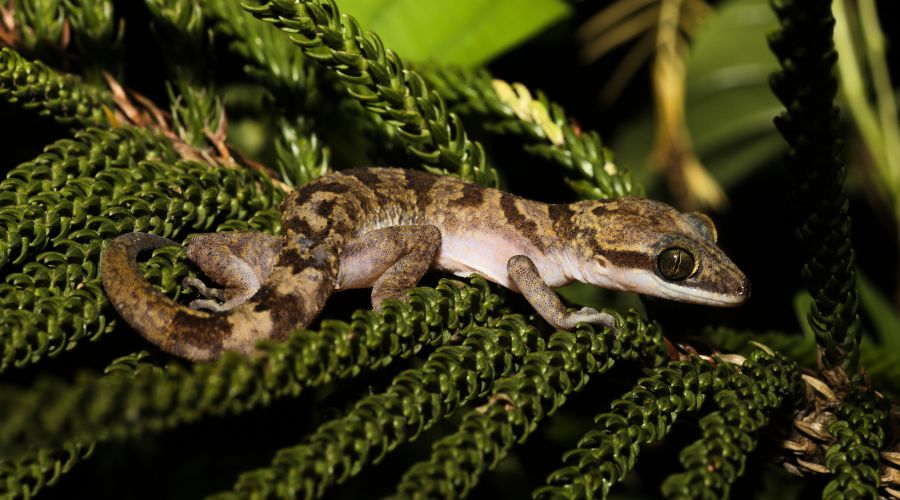
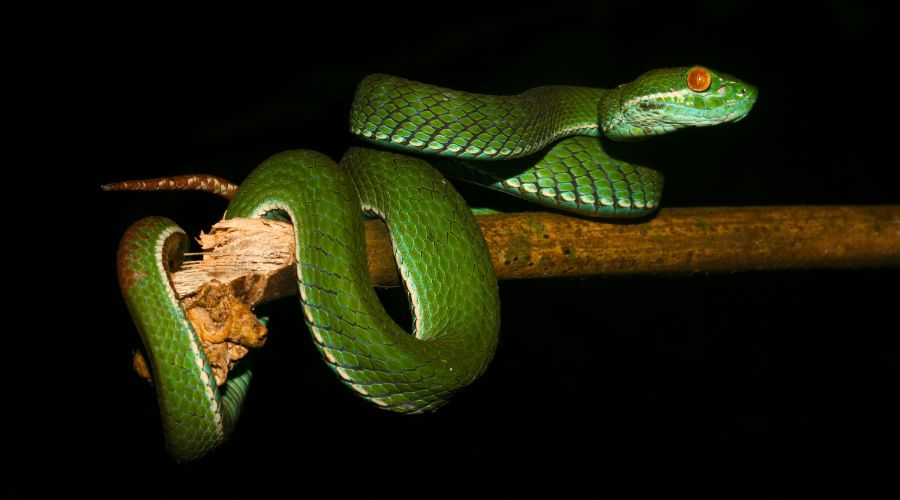
Among the 94 reptile species living in the park, 18 are listed in the Viet Nam Red Data Book; for example, the Siamese Crocodile (Crocodylus siamensis) and Reticulated Python (Python reticulatus). Three species among 37 amphibian species and listed in the Viet Nam Red Data Book (2007).

The complex of wetlands constitutes a system of marshes and lakes, natural mineral sites, and vegetation along the Bau Sau (Crocodile Lake), Bau Chim (Bird Lake), and Bau Ca (Fish Lake), and is a habitat for many aquatic species.
Aquatic plant and animal species in this area include 125 zooplankton species, 122 benthic species and 168 fish species, attracting flocks of numerous native and migratory birds. Cat Tien is home to many near-endemic bird species and to more than a third of all bird species in Viet Nam.

Studies record around 348 bird species in Cat Tien – a remarkable richness that makes the park one of Vietnam’s most important forest-bird strongholds. With such diversity, Cat Tien truly stands out as a ‘mini-kingdom’ for forest birds.
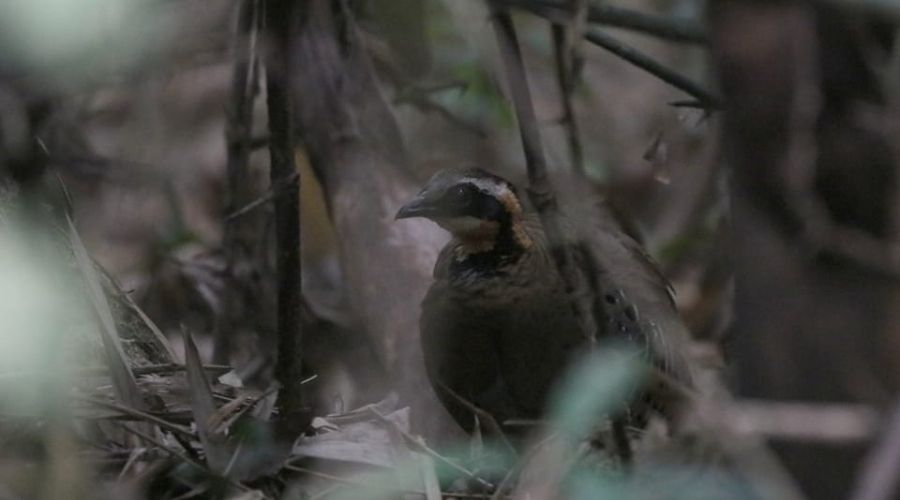
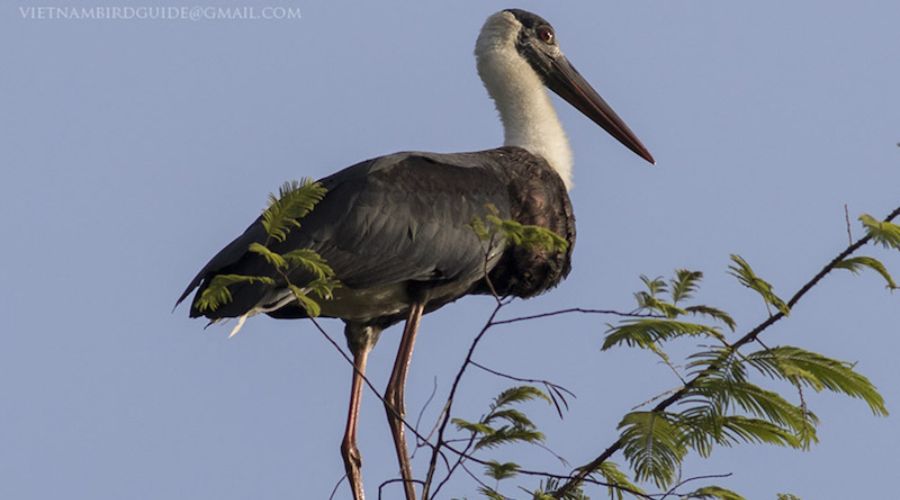
Some species are rare and precious such as the Woolly-necked Stork (Ciconia episcopus), Green Peafowl (Pavo muticus), Lesser Adjutant (Leptoptilos javanicus), White-shouldered Ibis (Pseudibis davisoni), White-winged Duck (Cairina scutulata), and Orange-necked Partridge (Arborophila davidi), etc.
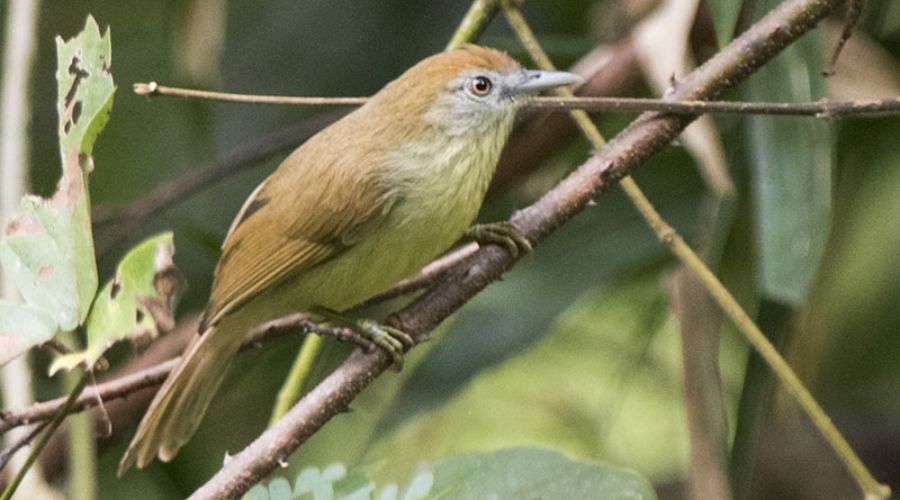
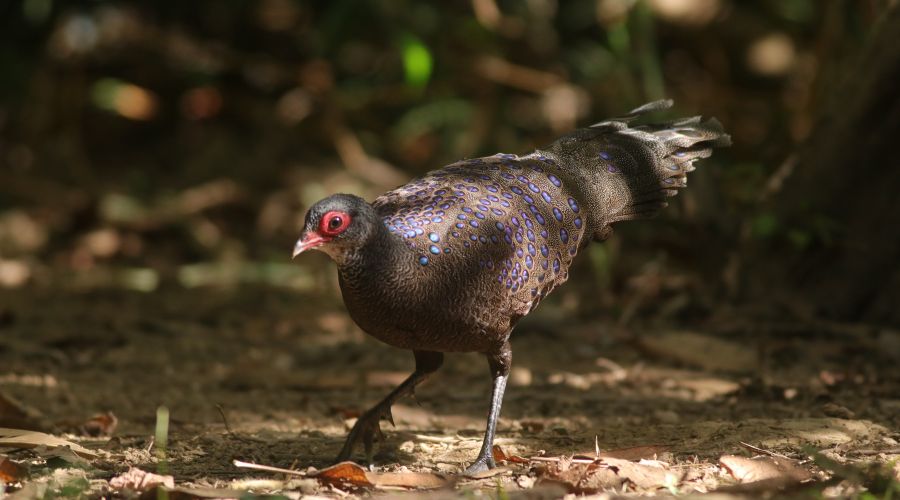
Cat Tien is located in the endemic bird zone in the lowlands of southern Viet Nam and has populations of 3 species: the Orange-necked partridge (Arborophila davidi), Germain’s peacock-pheasant (Polyplectron bicalcaratum), and Grey-faced Tit Babbler (Mixornis kelleyi)
Cat Tien is home to 97 species of mammals belonging to 30 families and 11 orders, of which up to 43 species are under threat of extinction domestically and globally, including 38 species listed in the 2007 Viet Nam Red Data Book. In addition, 18 species and subspecies of mammals are endemic to the Indochina sub-biogeographical region.
In particular, three species and subspecies are endemic to Viet Nam: the Black-shanked Douc langur (Pygathrix nigripes), the Javan rhino (Rhinoceros sondaicus annamiticus) (already extinct), the Indian Muntjac (Muntiacus muntjak annamensis), and Yellow-cheeked Gibbon (Nomascus gabriellae)
![Itinerary - [14 Days] The Best Vietnam Wildlife Photography Tour](https://wanee.asia/wp-content/uploads/2025/03/Black-shanked-Douc-4002-scaled.webp "Discover the Incredible Biodiversity of Cat Tien National Park in Vietnam 11")
![[Species_profile] - A-yellow-cheeked-crested-gibbon-swinging-gracefully-from-a-tree-branch-in-tropical-rainforest.](https://wanee.asia/wp-content/uploads/2025/09/Yellow-cheeked-crested-Gibbon.jpg "Discover the Incredible Biodiversity of Cat Tien National Park in Vietnam 12")
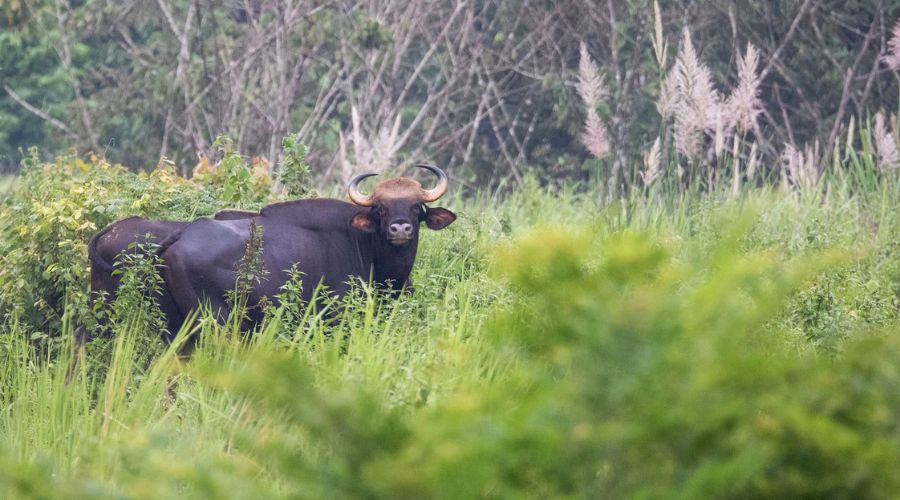
The most awaited animal throughout a night trek is the gaur (Bos gaurus). Gaur (Bos gaurus) are large, darkhaired mammals that mainly inhabit hilly areas in India, East and Southeast Asia. They are also known as the Malayan bison or the Indian bison and have been listed as a vulnerable species in the IUCN (International Union for Conservation of Nature) Red List of Threatened Species since 1986.
Adult gaur (Bos gaurus) can reach up to 1.9 m in height and weigh about a ton. They have white legs, black bodies and are one of the largest bovines in the world. In Viet Nam, there are less than 300 gaur individuals, 110 of which roam within the borders of the park.
Both males and females grow large horns that curve forward by up to 80 – 85 cm. On the forehead between the two horns is a tuft of hair, usually yellow in colour. The lower part of the leg from the knees down is white, making the animal appear as if it is wearing white boots.
The top part of its back protrudes at the neck and together with a large hairy bib on the chest and a range of muscle running down its spine, the Gaur presents a very powerful animal indeed. In Viet Nam, gaurs (Bos gaurus) are the most hunted and slaughtered species due to their economic value, particularly their bile, meat, and horns.
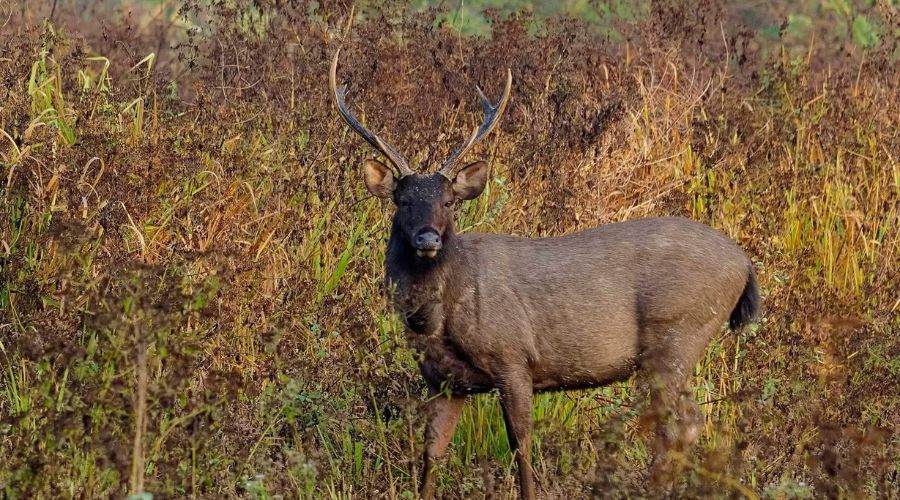
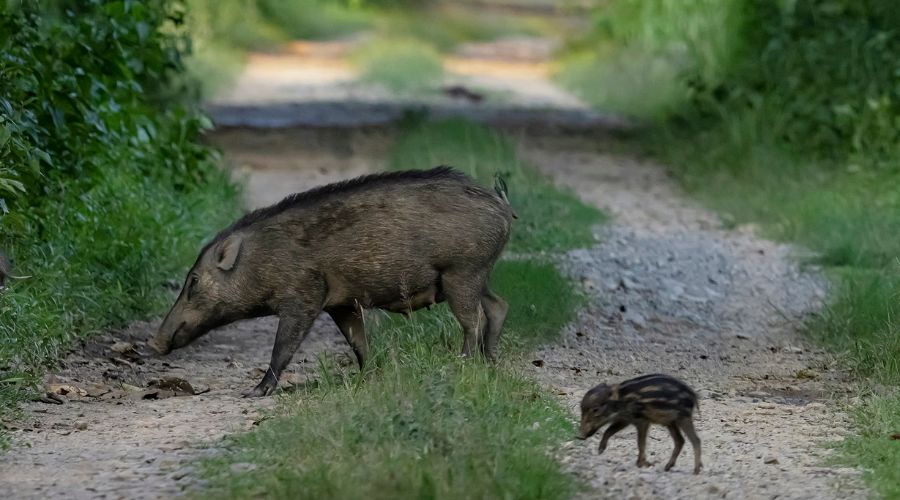
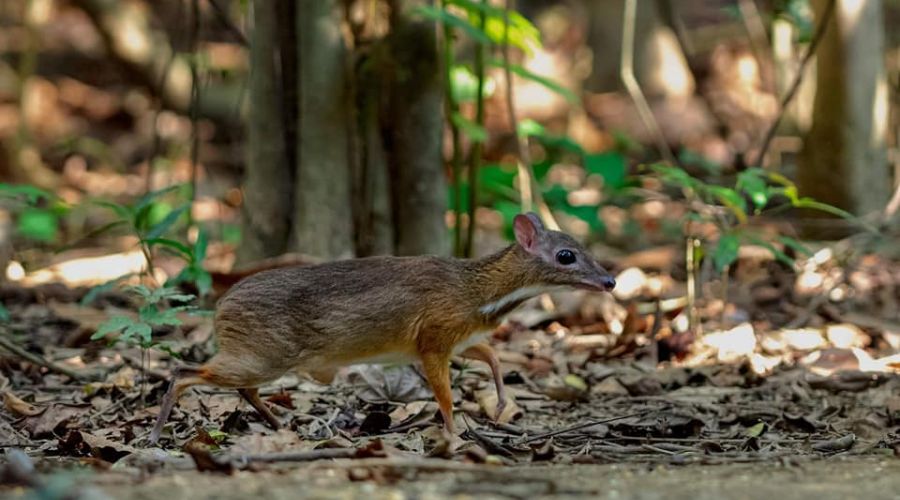
In addition, here we can see other animals such as deers, bears, and moose. You may end up encountering some primates population, such as Stump-tailed macaques (Macaca arctoides), Pig-tailed Macaques (Macaca leonia), and Pygmy Slow Loris (Nycticebus pygmaeus), all categorized as endangered, rare animals according to Viet Nam’s regulations on wildlife conservation and protection and in the IUCN (International Union for Conservation of Nature) Red List of Vulnerable and Endangered.
Summary
Cat Tien National Park is a land of discovery, inspiration, and connection with nature. Beyond its breathtaking landscapes and incredible biodiversity, the park serves as a living classroom, offering opportunities for learning, research, and raising awareness about wildlife conservation.
Every visit allows travelers to witness the delicate balance of the ecosystem, from the silent footsteps of the gaur to the vibrant calls of endemic forest birds. The primeval forest teaches us about ecological order, survival, and the deep interconnection of all living beings, encouraging a sense of respect, love, and compassion for the natural world.
By engaging with the park’s environment, visitors can actively contribute to ongoing conservation efforts, supporting the protection of endangered species and their habitats. Cat Tien NP is not only a sanctuary for flora and fauna but also a place where humans can learn, reflect, and become advocates for Vietnam’s precious natural heritage.
Join Conservation Tours with WANEE
Discover the wonders of Cat Tien National Park up close with WANEE’s guided wildlife tours and conservation journeys. Our tours are designed to provide immersive experiences in Vietnam’s most vibrant ecosystems while supporting ongoing wildlife conservation in Cat Tien NP.
By joining our tours, you contribute directly to local conservation efforts, including protecting endangered species, supporting community-based ecotourism, and participating in forest monitoring programs.

➡️ Book your Cat Tien NP adventure now with WANEE: https://wanee.asia
Experience the thrill of spotting rare birds like the Orange-necked Partridge or endangered mammals such as the Black-shanked Douc Langur, all while helping preserve one of Vietnam’s most treasured natural habitats.
Together, let’s ensure the incredible biodiversity of Cat Tien National Park continues to thrive for generations to come.