

Cat Ba National Park is located in Hai Phong, Northern Vietnam. This area is known for its diverse ecosystems and rich wildlife. The park covers approximately 15,200 hectares, featuring limestone mountains, tropical forests, and stunning coastlines. It is a vital habitat for many species, making it a significant destination for wildlife travel. For more insights, check out our Vietnam wildlife guide.
Cat Ba National Park is a true gem for Wildlife-watching enthusiasts. The island shelters a wide variety of bird species, including some found nowhere else (Cat Ba Langur). Its mix of habitats makes it an exceptional place to observe wildlife in their natural surroundings. Whether you’re an experienced birder or simply a nature traveler, Cat Ba Island offers a peaceful and rewarding backdrop for exploration.
As you walk through the park, the rustle of leaves and the distant calls of birds create a soothing soundscape. The humid air, carrying the scent of damp earth and fresh foliage, invites you to slow down and take it all in. This intimate connection with nature is what makes Cat Ba Island such a special destination for anyone who loves the outdoors.
About Cat Ba National Park
To reach Cat Ba National Park, you must first travel to Cat Ba Island via a combination of bus, train, ferry, speedboat, or cable car from departure points like Hanoi, Hai Phong, or Ha Long Bay. Once on the island, the park headquarters is a 14-kilometer journey from Cat Ba Town and is easily accessible by a short taxi, motorbike, or bicycle ride along the main island road.
These diverse habitats support an impressive range of wildlife, from colorful birds to rare mammals and reptiles. The park’s unique geography is what makes Cat Ba such an important ecological hotspot. Well-marked trails wind through dense forest and along dramatic coastlines, offering plenty of opportunities to immerse yourself in nature.
Exploring with a local guide can add another layer to the experience. Their knowledge of the park’s biodiversity helps you spot and identify species you might otherwise miss. To ensure the park remains pristine, it’s important to follow designated paths, keep a respectful distance from wildlife, and leave nothing behind. By traveling responsibly, you not only enjoy Cat Ba to the fullest but also help protect its fragile ecosystem.
Field tip: Plan your boat trip in advance to secure your preferred departure time.

Best Time to Visit Cat Ba Island
Choosing the right time to visit Cat Ba Island can enhance your wildlife viewing experience. The park has a tropical climate, with a wet season and a dry season. The dry season, typically from December to April, is ideal for birdwatching. During these months, the weather is cooler and less humid, making outdoor activities more enjoyable.
In contrast, the wet season runs from May to November. While the rain can bring lush greenery, it may also limit visibility and accessibility in certain areas. Bird activity can vary with the seasons, so timing your visit can impact the species you encounter. Many migratory birds pass through the region during specific months, adding to the diversity of species present.
Early mornings are often the best time for birdwatching. The air is cooler, and birds are more active as they search for food. Arriving at the park’s entrance before dawn allows you to experience the tranquility of the early hours. The sounds of nature waking up can be a soothing backdrop to your observations.
Key Habitats for Wildlife Viewing
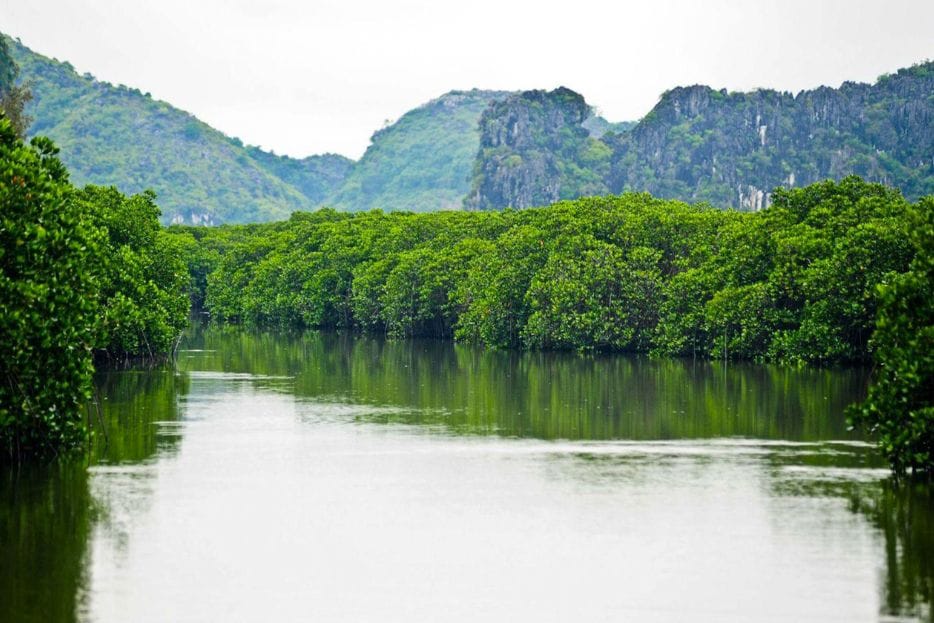
Cat Ba National Park boasts several key habitats that are essential for wildlife viewing. The diverse ecosystems include tropical forests, wetlands, and coastal areas. Each habitat supports different species, providing a rich environment for birdwatchers and nature travelers alike.
These forests offer dense cover and abundant food sources, making them ideal for various wildlife. As you navigate the trails, keep an eye out for colorful birds flitting through the canopy.
Wetlands are another important habitat within the park. These areas attract various waterfowl and other species that thrive in aquatic environments. The coastal regions, with their rocky shorelines and sandy beaches, provide additional opportunities for observing marine life and shorebirds.
Understanding these habitats can enhance your wildlife viewing experience. Each area has its own unique characteristics, and knowing where to look can increase your chances of encountering specific species. Local guides can help you navigate these habitats effectively.

Cat Ba National Park Nature Guide
Birdwatching on Cat Ba Island offers a unique opportunity to observe a wide variety of species. The island’s diverse ecosystems create ideal conditions for many birds. From the dense forests to the coastal areas, each environment presents different species to discover.
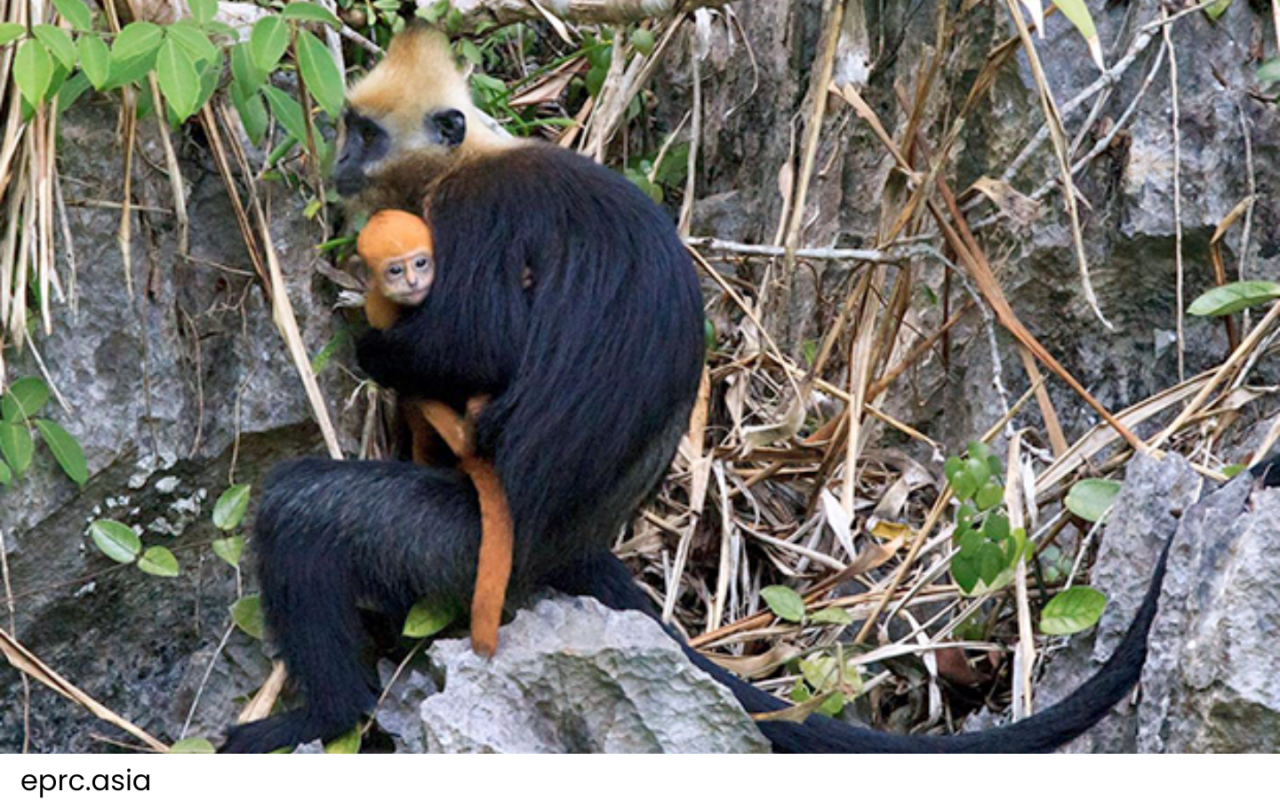
Some notable birds to look for include the Cat Ba langur, a critically endangered primate that shares the island with many bird species. Other birds, such as the Oriental Magpie Robin and various Kingfishers, can often be spotted in the lush vegetation. Early mornings are particularly fruitful for birdwatching, as many species are active during this time.
To enhance your birdwatching experience, consider bringing binoculars and a field guide. These tools can help you identify species and appreciate their unique characteristics. A notebook can also be useful for recording your observations and reflections during your visit.
Guided birdwatching tours may be available, providing expert insights into the local avifauna. Engaging with a knowledgeable guide can deepen your understanding of the ecosystem and the birds that inhabit it.
Field tip: Bring binoculars and a field guide to enhance your birdwatching experience.
Exploring Cat Ba’s Diverse Wildlife
Beyond birds, Cat Ba National Park is home to a variety of wildlife. The park’s ecosystems support mammals, reptiles, and amphibians, each playing a role in the ecological balance. Exploring these diverse habitats can lead to encounters with different species.
As you venture through the park, you may spot the Cat Ba langur, one of the world’s rarest primates (just about 80 individual now). This species is endemic to the island and is often seen in the forested areas. Other mammals, such as deer and civets, also inhabit the park, although they may be more elusive.
Reptiles and amphibians thrive in the humid environment, with many species found near water sources. Observing these creatures can add another layer to your wildlife experience. Be mindful of your surroundings, as they often blend into their habitats.
Guided wildlife tours can provide insights into the behaviors and habitats of various species. Local guides are familiar with the best spots for wildlife viewing and can enhance your understanding of the park’s biodiversity.
Field tip: Be patient and quiet while exploring; wildlife often appears when you least expect it.
Planning Your Cat Ba Island Trip
Planning your trip to Cat Ba Island involves several considerations. First, determine your travel dates based on the best time to visit. The dry season from December to April is generally more favorable for outdoor activities.
Next, consider your accommodation options. Various lodgings are available, from guesthouses to hotels. Booking in advance can ensure you have a comfortable place to rest after a day of exploration.
Transportation on the island is another factor to consider. Renting a bicycle or scooter can provide flexibility in exploring the park and surrounding areas. Alternatively, guided tours can simplify logistics and enhance your experience.
Pack essential gear, including sturdy footwear, a hat, and sunscreen. Binoculars and a field guide for birds will enhance your wildlife observations. A reusable water bottle is also recommended to stay hydrated during your adventures.
Field tip: Research accommodation options and book in advance for a smoother trip.
Sustainable Tourism in Cat Ba National Park
Sustainable tourism is essential for preserving the natural beauty of Cat Ba National Park. As a visitor, you can contribute to conservation efforts by following responsible practices. This includes minimizing your impact on the environment and respecting local wildlife.
Choose eco-friendly accommodations and support local businesses that prioritize sustainability. Engaging with local guides can also promote responsible tourism. They often have a deep understanding of the ecosystem and can share insights into conservation efforts.
Participating in clean-up activities or educational programs can further enhance your connection to the park. These initiatives help protect the delicate balance of the ecosystem while fostering a sense of community among visitors and locals.
By practicing sustainable tourism, you can help ensure that Cat Ba National Park remains a vibrant habitat for wildlife and a peaceful destination for future travelers.
Getting Around Cat Ba Island
Getting around Cat Ba Island is relatively straightforward. The island has a network of roads and trails that connect key areas. Renting a bicycle or scooter can be an enjoyable way to explore the island at your own pace. This allows you to access various habitats and scenic viewpoints easily.
Public transportation options, such as local buses, are also available. These can be a cost-effective way to navigate the island. However, schedules may vary, so it’s wise to check local information for the latest updates.
Walking is another excellent option for exploring the park. Many trails lead through the forest and along the coast, providing opportunities for wildlife viewing. Take your time to enjoy the surroundings and appreciate the natural beauty of the island.
Guided tours are available for those who prefer a structured experience. These tours often include transportation and knowledgeable guides who can enhance your understanding of the park’s ecosystems.
Field tip: Consider renting a bicycle for a flexible and enjoyable way to explore the island.
Conclusion
Cat Ba National Park offers a rich experience for birders and nature travelers. With its diverse habitats, unique wildlife, and opportunities for responsible tourism, it is a destination worth exploring. Plan your visit during the dry season for the best conditions, and consider guided tours for deeper insights into the local ecology.
As you navigate the park, remember to respect the environment and wildlife. Your actions contribute to the preservation of this beautiful area. If you’re ready to plan a quiet, field-tested trip, consider reaching out to our team at WANEE for assistance.